From the Compost Heap header. A pencil style illustration of a compost heap with flowers and plants growing around it. A bee buzzes by and a white rabbit hops by.
  • Learning a Second Language as a Neurodivergent Student (Child or Adult!)

    If you’re autistic or ADHD and you’ve struggled with learning a foreign language you are not alone! The typical class structures are not made for our brains.


    Growing up I had no idea I was autistic.

    I was an early talker, a self taught reader, and my social differences were percieved as “shy.”

    Flash forward thirty years and I am learning so much about myself alongside my autistic child. For one thing, our brains process language completely differently than neurotypicals.

    If you want to do a deep dive into language development I suggest starting with Alexandria Zachos of Meaningful Speech. She has a lot of free resources on her blog and Instagram.

    While I was learning to support my child’s speech development I had some big epiphanies about my own use of language and specifically why I struggled with Spanish classes in university.


    Neurotypical humans learn speech word by word.

    This is why most babies point at objects to learn their names. They learn a bunch of single words and eventually use them like building blocks to make sentences.

    This is the way foreign language classes are structured because this is the way most brains process language.

    I’m thinking of the times in class we would recite conjugations – as if that was at all useful outside the context of a sentence. 🫠

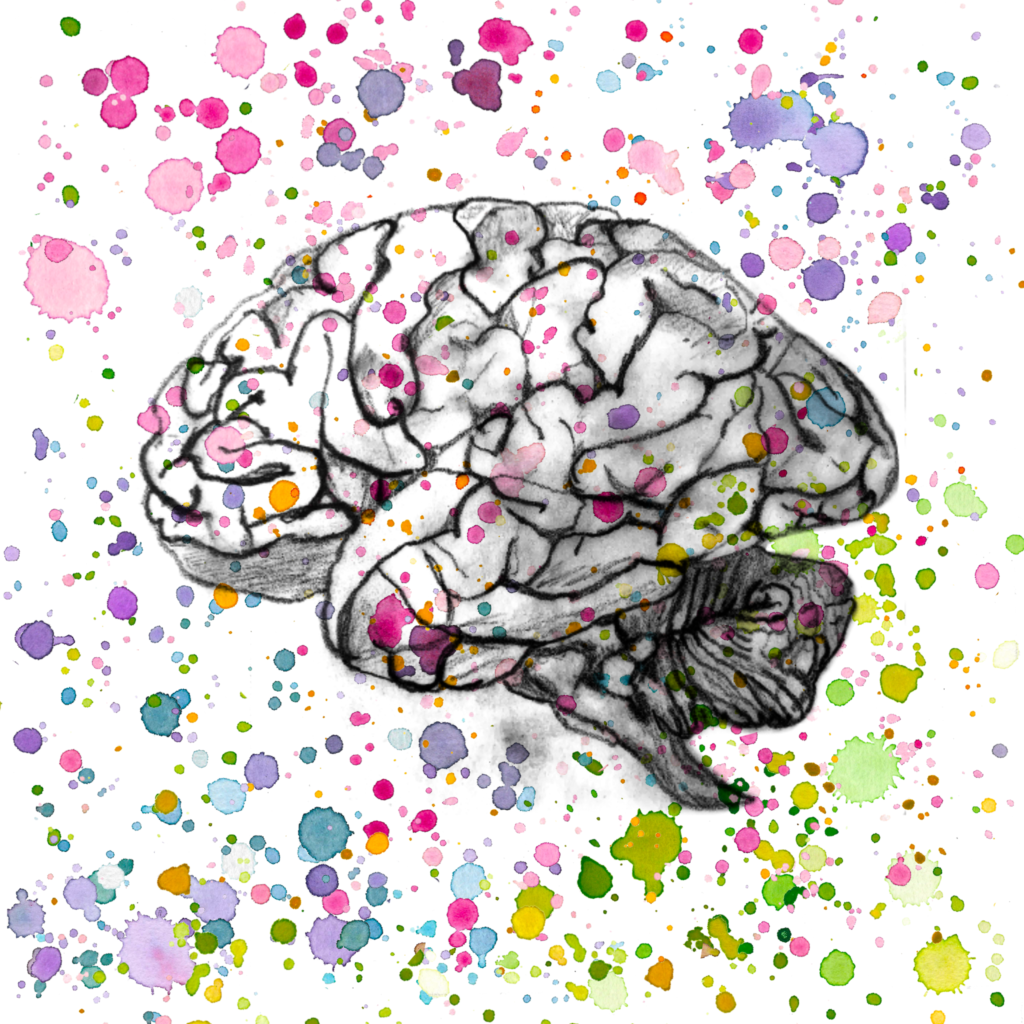
    Drawing of brain with colorful paint splatters over the top

    Autistic humans (and some ADHDers) learn speech in chunks. 🤯

    Our natural language progression is to pick up phrases or sentences like shiny objects.

    Bonus points for musicality, expression, or relating to our interests.

    Once we have enough chunks we naturally start to mix and match.


    How can we use this to teach (or learn) a second language?

    Now we know why traditional curriculum aren’t going to work for us.

    So what do we do instead?

    1. If you do use a curriculum look for something that introduces phrases. Not words. 💬

    Learning individual words is not helpful for gestalt language processors.

    We need to see them in action.

    Even if you find a curriculum that does this, you’re still going to need to supplement it to really engage a neurodivergent student.

    2. We need hear a human native speaker. 🧑

    Because we’re picking up on the whole language gestalt – including intonation.

    Google AI is not the way forward here.

    This doesn’t mean you need a private tutor, but whatever you are watching or listening to should be a real human who is a native speaker of the language you are learning.

    3. Find expressive & interesting material. 📺

    We’re incredibly lucky to live in a time where our favorite TV shows are probably dubbed over in multiple languages. Here’s the secret sauce where you engage with your student about whatever they are most passionate about.

    We are currently loving the Spanish dubs of Numberblocks on Netflix. (My kid literally falls asleep listening to the soundtrack – which is also available in Spanish!)

    I find that it’s easier to pick up on language if you’re watching shows that are made for emerging speakers (toddlers). Vocabulary is simpler and the speed of speech is (usually) slower.


    But we also love watching Totoro in Japanese.

    Gif of Totoro sleeping in a peaceful green space with butterflies fluttering overehad

    There’s something to be said for the immersion of watching something you love. Before my child was fluent in English he was singing the theme song to Totoro in Japanese.

    Sometimes it’s about what speaks to your heart.

    4. Sing! 🎶

    Our brains engage with music on a different level than spoken language. Sometimes neurodivergent folks even sing before speaking.

    99% of what I do remember from Spanish class was from songs.

    There are so many YouTube channels for songs.

    Super Simple Songs has translations for Spanish, Japanese, and Portuguese.

    Just search for children’s songs in whatever language you want to learn.

    Or jump in the deep end and try translating a pop song. I did this for Kudai’s Quiero after studying abroad in Mexico. It’s twenty years later and I still know it by heart.

    5. Consider auditory processing supports. 🎧

    Not all neurodivergent folks struggle with auditory processing, but plenty of us do. Sometimes I can’t “hear” sounds unless I see them.

    If you’re watching a show or YouTube channel look at your options for captions. Captions in the native language are really helpful. But sometimes they do differ from the recorded audio so you have to watch out for that. (This is always the case even with English.) Or English captions can help with understanding the context.

    Another great tool for students who need to see to hear is AAC.

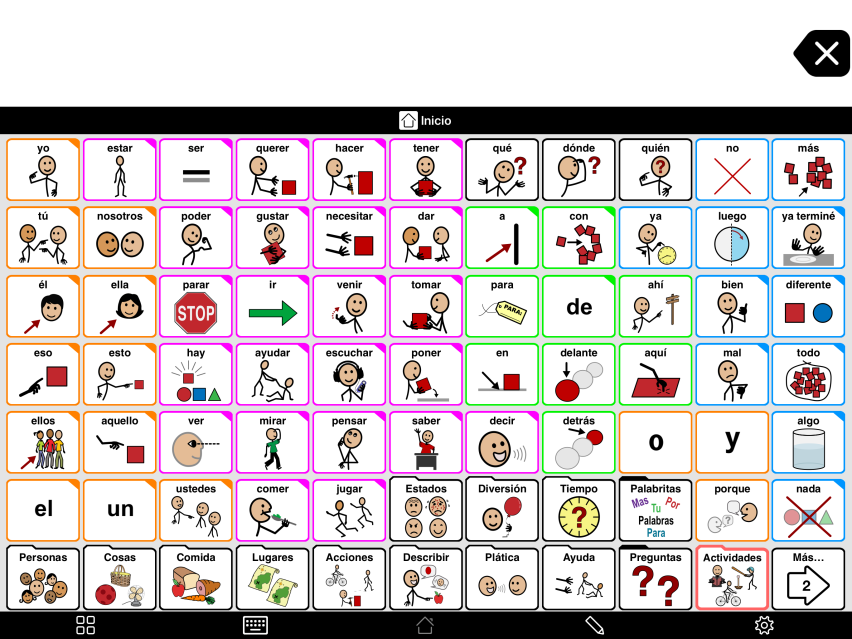
    David already had the Proloquo2Go app as a support for communicating in English. He hasn’t used his AAC in months so I set up a second user in Spanish. (I’m sure there’s a way to set up a bilingual user too.)

    It looks like this. When you tap the word the tablet speaks it.

    Screenshot of AAC app. Icons of basic vocabulary (eat, please, thank you) with Spanish words under each image.

    I wish this app were not so expensive.

    But language curriculum is also quite an investment. I wanted to mention this because it is such a powerful tool. Since we already have it – using it for a second language is an exciting way to put that investment to good use.

    I started with a template for an emerging speaker and then customized folders with phrases from Numberblocks.

    It’s really important to put in phrases for our neurodivergent kids in addition to the single words that come preloaded.

    I’ll probably write a second post specifically about how we use this.

    The caveat is that AAC tablets are not very expressive. This is like a speaking dictionary, but it will not teach you the natural musicality of a language. You still need a native speaker (in real life, recordings, TV, or YouTube) to model language. This is a tool for making that material accessible.

    6. Read books together! 📖

    I love bilingual books with two languages printed side by side.

    But I learned the hard way to look for books that are for “early readers” versus classic favorites.

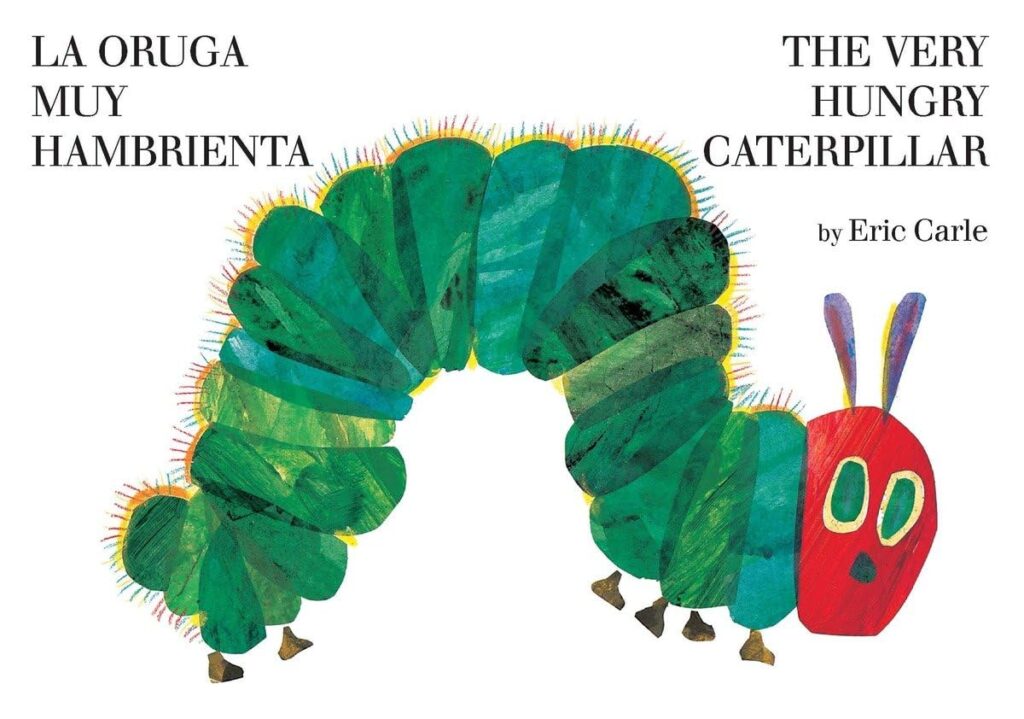
    La oruga muy hambrienta by Eric Carle The Very Hungry Caterpillar Bilingual version with green and red caterpillar collage

    La oruga muy hambrienta is a mouthful.

    While I didn’t learn much conversational Spanish during my time studying abroad, I am fairly confident at sight reading words. (It helps that the sounds in Spanish are very consistent versus what we’re used to in English.)

    If you’re not comfortable reading aloud yourself (yet) try audiobooks!

    But it’s also okay to be imperfect and make mistakes while you are learning. It’s all part of the process. If you’re a parent reading with a kid – seeing you make mistakes and correct yourself can be a good life lesson.

    7. Practice with friends. 👭

    Once you have phrases use them in your daily life.

    Weave in what you’ve learned with your family or a friend group. My little extrovert is already having short conversations with native Spanish speakers in our area.

    Follow his lead and look for opportunities to practice and learn in community.

    8. Play! 🕹️

    Try simple games in another language. Learn the phrases needed for a card game. Play “I spy” or charades. Put the words you’ve learned to good use.

    You may even find video games or apps with multiple languages. Toddler apps are designed for emergent speakers (we love Eric Carle’s), but they do tend to focus on words versus phrases. If you’re picking up individual words (numbers, colors, nouns) try to learn phrases too so the words don’t get “stuck.”


    Toolbox for ND Language Learners 🧰

    1. Learn phrases and sentences. Not words.
    2. Learn from a human native speaker. Not AI.
    3. Find expressive & interesting material.
    4. Learn songs!
    5. Try captions and AAC.
    6. Read books for “early readers.”
    7. Speak the language in daily life.
    8. Play!

    If you found this useful I’d love to hear from you. I’m always open to chat or share resources, but simply hearing that you enjoyed this will make my day.

    Email Sarah.


    To anyone who’s just wandered in.

    Hi, nice to meet you!

    I’m Sarah Shotts, late diagnosed autistic artist, writer, and mum to an autistic child who I’m home educating.

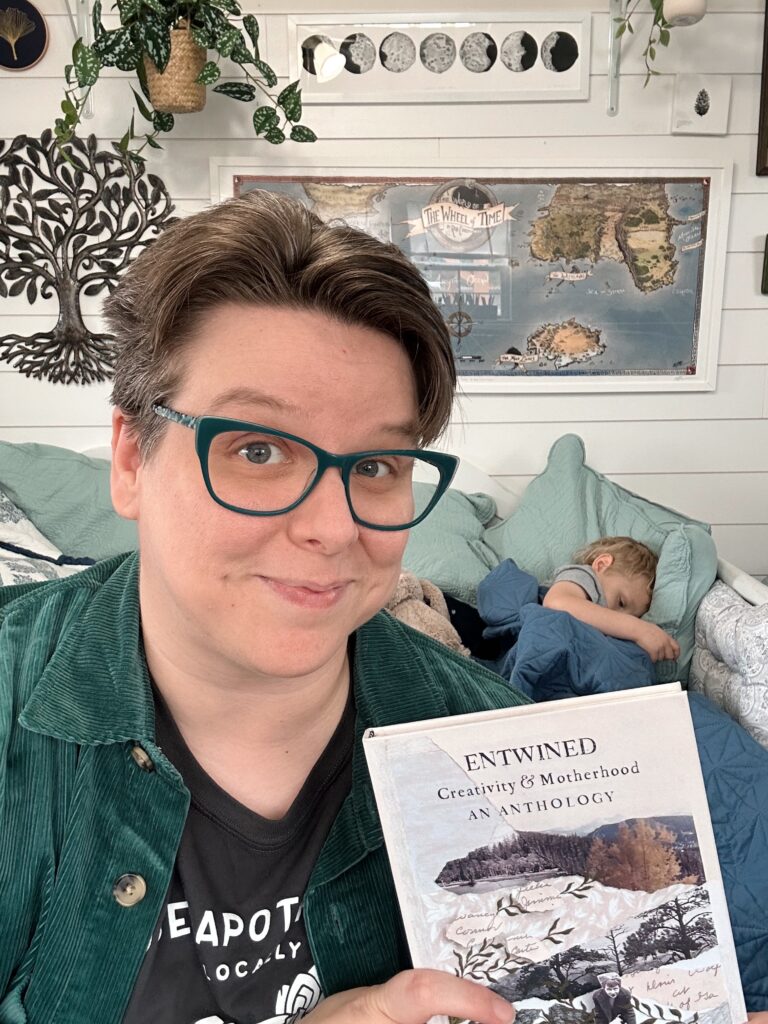
    Selfie holding a copy of Entwined in my studio with my kid playing video games on the daybed behind me. I have on a Rose Apothecary shirt, green corduroy overshirt, and green glasses. I have short brownish hair and blue eyes.

    I write eclectic emails each month about creativity, neurodivergence, and (quite frankly) whatever my current hyperfixation happens to be.

    Sign up here if you’d like monthly-ish emails.

    Open airmail envelope with blue and green stripes

    Read more: Learning a Second Language as a Neurodivergent Student (Child or Adult!)
  • Multiple colors and sizes of overlapping spirograph designs on a scrap of misprinted zine

    Just playing, but maybe I’ll circle back to this.

    Read more: untitled post 156078766
  • Studio in Spring

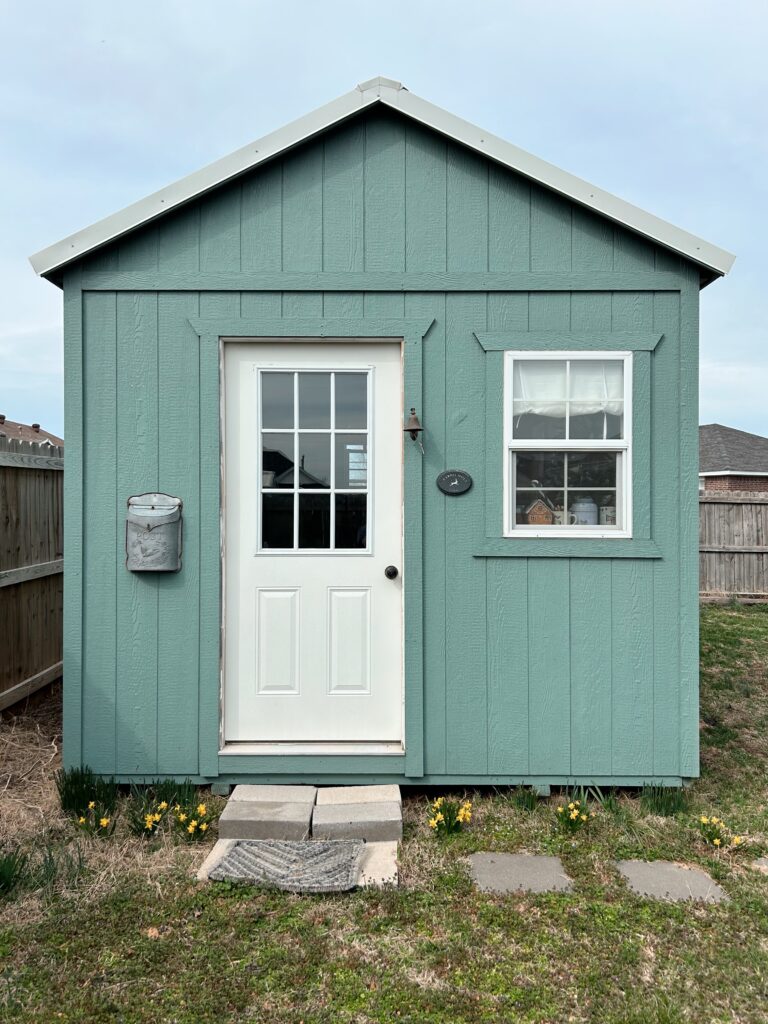
    Gray green studio with white door and gray metal old fashioned mailbox. A row of tiny daffoils grown in front of a path of square stepping stones. The grass is mostly dormant.

    Miniature daffodils in front of the studio. First signs of spring.

    Read more: Studio in Spring
  • Bilateral Mirror Drawing

    Thank you YouTube algorithm. This was a hit.

    The whole channel is full of great art lessons.

    Read more: Bilateral Mirror Drawing
  • “Suddenly, you don’t follow people as you do on social media, but you follow their curiosities. This makes a much richer and sprawling environment to explore.”

    Kristoffer writing about are.na 

    Read more: untitled post 156078228
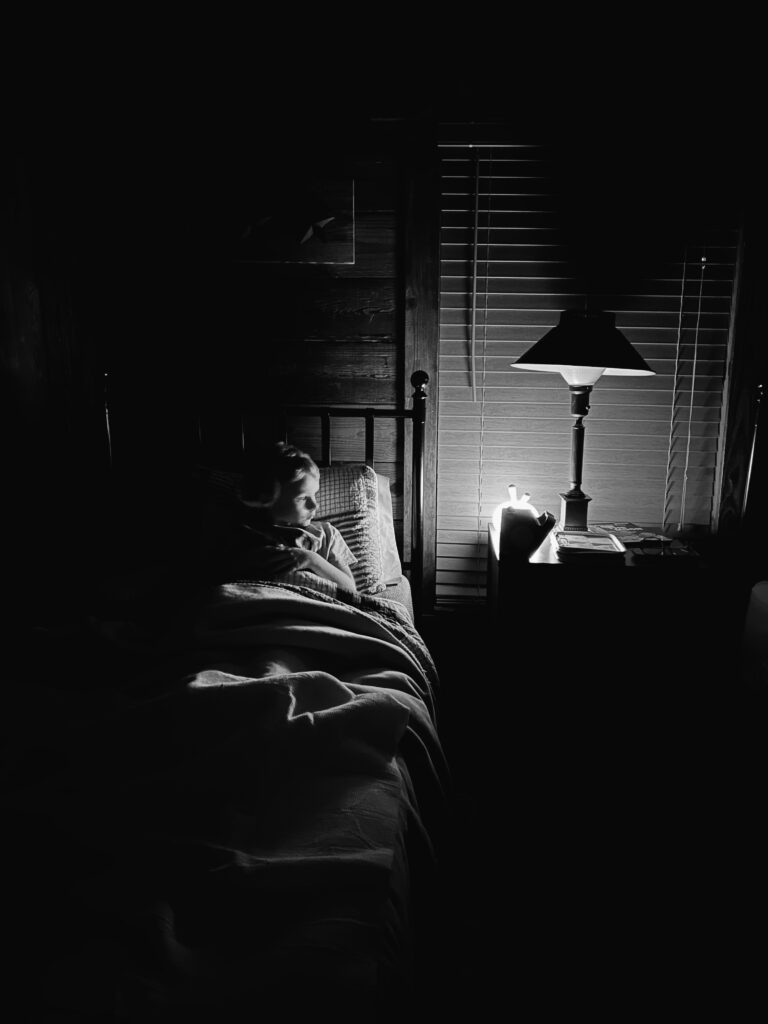
  • Black and white photograph of nightlight  and lamp in a dark cabin room.

    Cozy cabin on a roadtrip to visit family.

    Read more: untitled post 156078225
  • Magic Mundane Rainbow Prism

    Read more: untitled post 156078189
  • Time, Time, Time ⌛

    It feels like years since I’ve written.*

    Since then…

    the Wheel of Time Season 3 trailer dropped.

    Season 3 is airing in March – just in time for my birthday.

    If you love fantasy books like Lord of the Rings… I’d love for you to give this a watch next month and nerd out with me. Even if you haven’t read the books – the visual design and performances for this show are so stunning I’d really recommend watching first and then diving into the books.

    This season is based on my favorite book in the series!

    The Shadow Rising is when Wheel of Time steps away from Tolkien and starts being it’s own thing.

    Half the characters travel to the desert and meet a complex warrior culture. The others go hunting down some very dangerous women. The layers build from there! I can’t even mention my two favorite parts because they are too spoilerific, but check this image out:

    A misty location with two figures suspended within three silver rings

    Don’t you want to know what’s happening there?

    I’m dying to see this scene. It happens “off page” in the books. 👀

    [This Clip Contains Spoilers]

    If you’re a book reader (or just don’t care about spoilers) here is the first scene of Season 3. We are starting out with a bang!


    What else happened this month?

    Well… I completely redesigned my website. 😂

    It’s still “under construction” so pardon my dust (and broken links) as you’re poking around. I hope to “unveil” the new site properly next month.

    I wrote a few posts including this one about website design as worldmaking. My old website was a minimalist website (which lives on as a virtual art gallery.) But I’m letting the rest of my site be weirder and more me.

    I hope it will sprawl and grow into a proper labyrinth.

    I’ve been having a lot of fun with visuals and texture. But my favorite detail so far is this “page not found” design, which feels very me.

    Screencap of Sarahshotts.com 404 page. "You've fallen down a rabbit hole" and Tenniel illustration of White Knight from Alice in Wonderland stuck upside down with his legs poking out of the ground. "What you're looking for is no longer at this location."

    If you want to read the boring reasons about why I’m switching web & newsletter platforms I’ve written about my online ecosystem here.


    I’m leveling up my zines!

    This month I used a printing press to make the February zine.

    You can see the process (including a timelapse video) here. You can also see a mini Wheel of Time zine I made. I’m going to print them up and leave them around town as guerrilla fan marketing. (Let me know if you’d like to do the same and I’ll share the file.)

    Now that I have a printing press I’ve added a $10 tier where you can subscribe for quarterly prints as well as zines.

    I’ve also realized that the time I’m spending on these zines has been growing each month. (Especially in contrast to the simple letters I started with.) So I’m phasing out pledges below $5. This means I have more freedom to play with color and multiple page zines if I’m so inspired.

    I’m also stepping away from Patreon and Substack to host subscriptions on my own website.†

    Everything in one spot. (Finally!)


    Works in Progress

    Here’s a peek at what else I’ve been working on this month.

    Soft sculpture of a brain made from baby clothes. One hemisphere is sewn from baby socks, onesies and washclothes. Scraps sit on a wooden table to the side.
    SOFT SCULPTURE BRAIN

    Nearly done with my soft sculpture brain sewn from baby clothes. I have two hemispheres complete and need to spend some time refining them and doing finishing work. (They’re a little unbalanced at the moment.)

    Nested rainbow hearts drawn with crayons. Rainbow sorted colored pencils and art supplies to the left.
    home education rhythm

    The transition from holiday chaos back to a normal routine is hard for neurodivergents. Here is how we’re finding our feet again and freedom within structure.


    Now that I’m integrating my various blogs into one location my archive is much larger than I realized.

    Here are a few highlights.


    This time in 2015

    This time in 2021

    This time in 2024

    February seems to be a big month for me!

    It’s all that energy from surviving the holidays and getting back into a rhythm.

    (You can browse the February archive here.)

    I’m planning to move the archives month by month. Motivated in part by sharing this time hop with you. Which means (if all goes to plan) I’ll be done by next February.


    The Compost Heap is handmade without the use of AI. 🐝

    Support doing things the old fashioned way by joining my Patrons ($5) and I’ll send paper copies of my zines with the coolest postage stamps I can find.

    Not About TETRIS zine on a wooden table. The title is letterpress printed and three printed blocks in purple pink and yellow are arranged as if to pile up.

    Not into snail mail?

    Here are other ways you can support.

    • Share with a friend. (It’s free!)
    • Art swap! Let me know if you’d like to swap your art for a zine.
    • Buy a book or zine from my (new!) shop.
    • Link to me in your newsletter.
    • Send me a recommendation for something (book, blog post, movie, recipe, you name it!)

    Drawing of a tin can telephone and the words Let's chat

    I’d love to hear from you.

    Hit reply to email me directly.

    Let’s talk web design, printmaking, or Wheel of Time. 🥰

    Thanks for being here.

    I appreciate you.

    Sarah signed with a swoopy S

    Compost Heap Illustrations by

    Gracie Klumpp of Leave the Fingerprints. 🐞


    Footnotes

    * To share the Neuro Nest Retreat. The workshops were all recorded so you can still join in here. I’d love to have a weaving from you. (Yes, you!)

    † Substack supporters will continue to be charged through Stripe. Patreon has been shut down so anyone supporting there will need to resubscribe. (You should already have emails from those platforms, but if you have any questions at all just ask.)

    ‡ Something I’ve learned by moving blogging platforms a couple of times is that something always goes funky. Formatting is strange. Photos are hotlinked. Multimedia elements (audio, video, embeds) are missing or broken. And hardly anything has alt text. I’m using this chance to dust all the cobwebs before making posts public.

    Read more: Time, Time, Time ⌛
  • Not About TETRIS

    Zine made imperfectly on my typewriter reads: Have you ever played TETRIS for so long that you see falling blocks in your daydreams? This experience is so common it has a name: THE TETRIS EFFECT It's a lot like having an ear worm. A song that pops into your head repeatedly. But more fun. Back in my early 20's (when lots of kids go out partying) I hung out with theatre nerds clustered around a desktop computer taking turns playing TETRIS. I think we were all seeing TETRIS blocks in our sleep. I was one of the best. My hand eye coordination is not that great, but I do have excellent pattern recognition (thanks autism) so I am a deft hand at TETRIS on PC. Or I was. Last year, I started playing TETRIS with my kid. Not real TETRIS. A mobile version where you place tetrominoes" into a square grid. No falling bricks No time limit. You play at your own pace. It's basically TETRIS style tangrams. You might have expected I'd be a bit rusty, but my brain immediately accessed endless hours of TETRIS experience & favorite strategies. BUT when you're taking turns with a 4 year old games become somewhat chaotic; you find yourself in situations you'd never have put yourself in. it wasn't long before I realized my strategies weren't working. *Yes, there is a real name for TETRIS pieces.
    Green, yellow, purple and blue TETRIS pieces fall beside the following text (as if to pile up to a game over.) But it wasn't because of my Player Two...
I was applying old rules to a new game.
Classic TETRIS requires that you play from the top down. If you make a mess it takes up valuable space and is hard work to correct.
Mess up enough and it's GAME OVER.
This new game allows you to place pieces anywhere. And rows clear both horizontally & vertically.
I was playing in one plane and suddenly there were two. IT may sound simple, but it was working against every instinct I had.
My kid, not having the baggage of traditional TETRIS, picked up on this nuance much more quick ly... putting blocks thatt were "wrong" and clearing rows.
Sometimes multiple at once.
I was determined to wrap my head around the new dimensions.
So I started playing by myself in the evening,
My score grew higher & higher as I broke through mental blocks to see new possibilities.
    This new TETRIS game isn't about perfection.
It is about making the best moves you can with the blocks you have.
Mess and all.
This zine isn't about TETRIS.
February, 2025
A KINDLE CURIOSITY ZINE

    Zine Shop

    Past zine issues are available for purchase in my zine shop.

    Subscribe for Monthly Zines via Snail Mail! 🐌 📬

    Virtual Zines via Email

    Open airmail envelope with blue and green stripes
    Read more: Not About TETRIS