
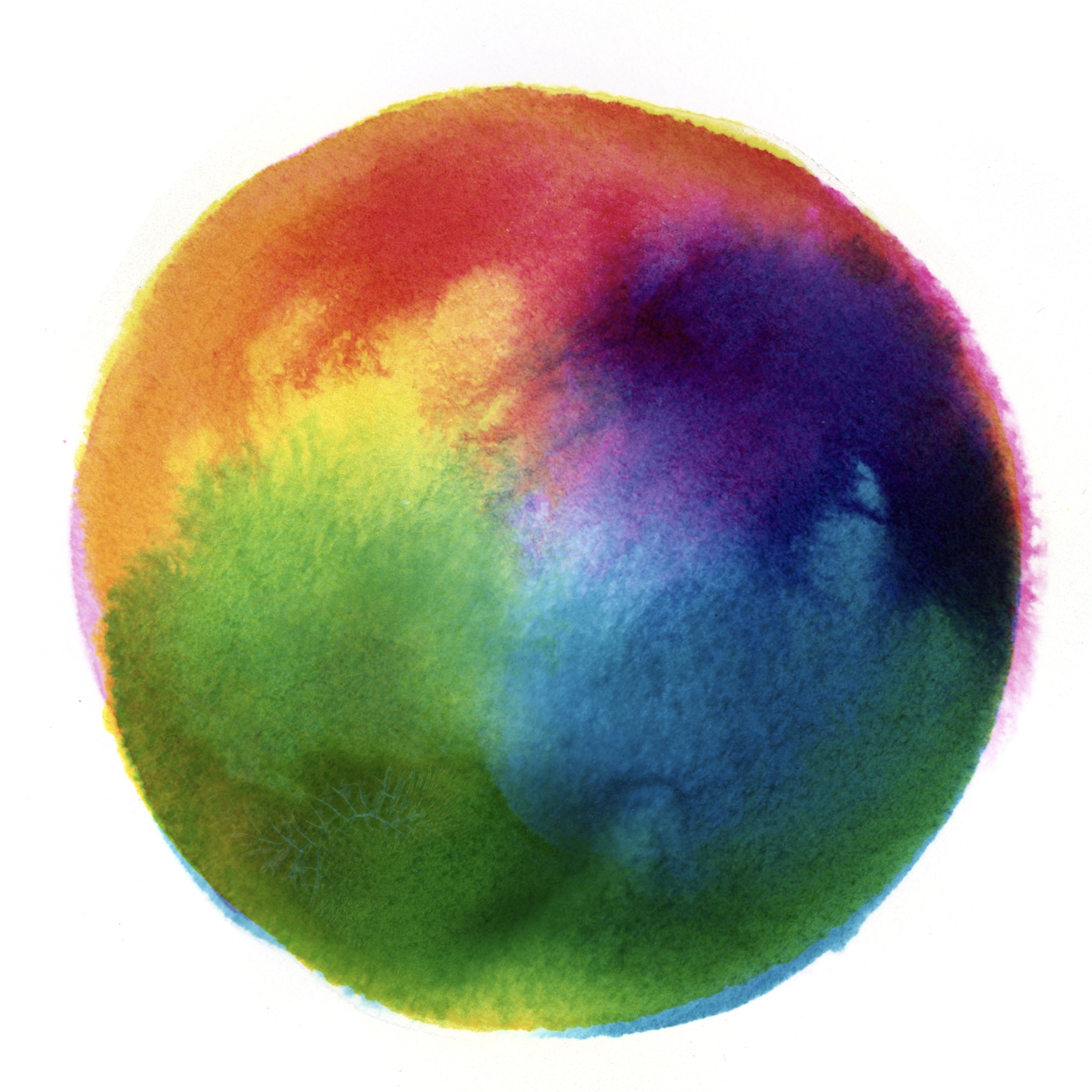
The most important thing to understand about autism (and more broadly neurodivergence) is that every person is unique.
You may have heard “autism is a spectrum.” This is because there isn’t one way to be autistic. There is a spectrum of experience.
But, this isn’t a rainbow from “less autistic” to “more autistic”.

In my experience it is more like a color wheel that’s constantly in motion.
The reason I describe the autism spectrum as in motion or flux is that my experience varies wildly based on external and internal factors (environment, clothing, health, access to supports, hunger, anxiety, etc.) This means my capacity varies from day to day and moment to moment.
I also find that my autistic traits are almost always rooted in sensory differences. So this a helpful place to start. I made this video to share my experience of overstimulation. (There’s also a shorter 30 second version here.)
That’s how it feels (for me) to experience sensory overload or overstimulation. The internal sensation can range from something like overwhelm and numbness to physical pain depending on the trigger. Remember this varies from person to person.
Why do I feel things so intensely?
Why might an autistic person experience “normal” sensory input as pain or sensory overload? Because our brains process information differently.
Take a look at this brain scan.
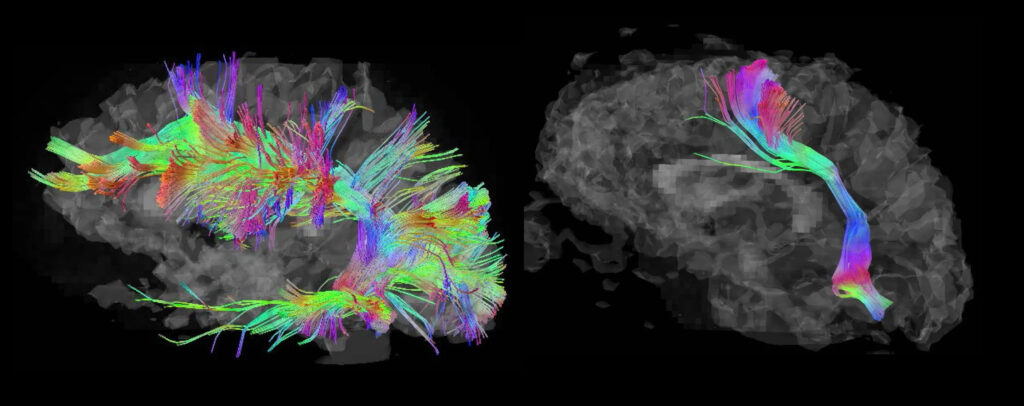
The scan on the left is an autistic brain processing language.
The scan on the right is someone without autism.
I love this image because you can see how much more information an autistic person is processing at any given moment. The non autistic brain is using a process called sensory modulation to focus on the speaker’s voice. The autistic brain continues taking in lots of other information simultaneously.
I believe understanding sensory modulation is essential for properly empathizing with and supporting autistic individuals of all ages.
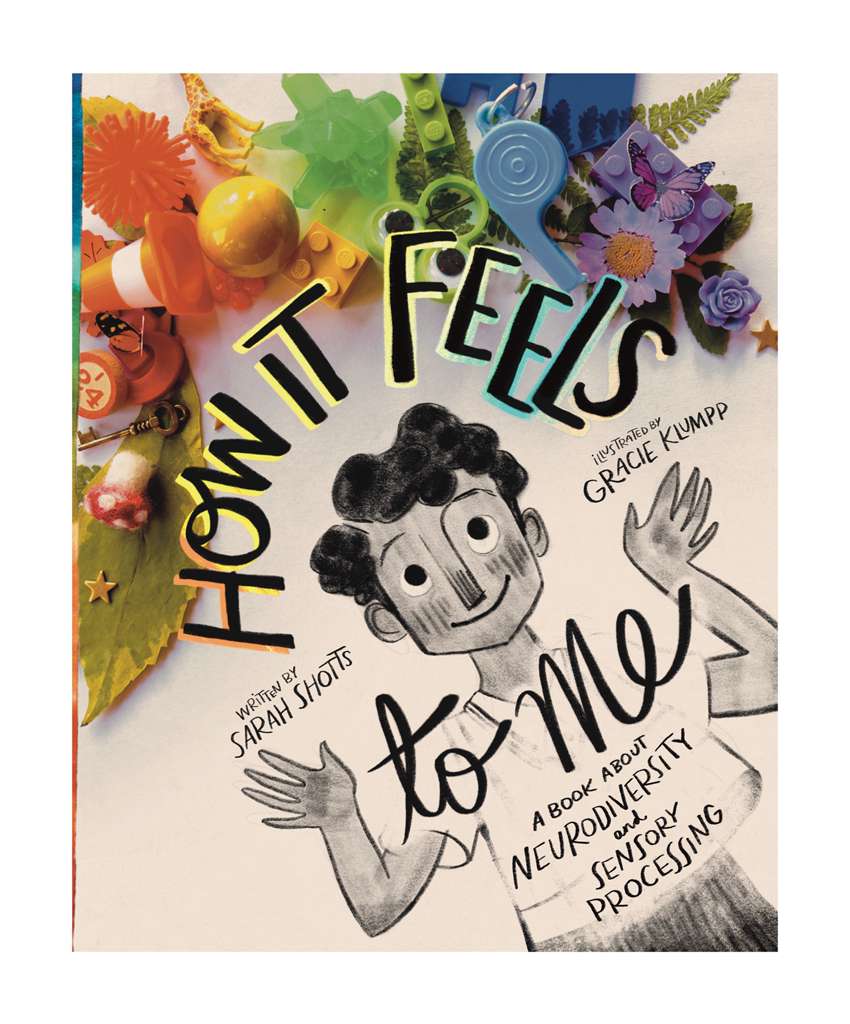
That’s why I co-created the book How it Feels to Me a book about neurodiversity and sensory processing.
* I have been professionally diagnosed with autism, but also have traits of ADHD such as time blindness and difficulties with object constancy. Having knowledge of these traits and functional coping strategies I have no interest in pursuing an ADHD diagnosis at this time.
† Illustration by @autistic_sketches on Instagram
‡ Artwork via Felipe Pantone on Instagram
§ Brain Scan images via Schneider Lab
** Neurotype is a term used to describe your brain’s processing style: autistic, ADHD, OCD, etc. If you are not neurodivergent your neurotype is neurotypical. Being neurotypical just means that your brain is processing the world like most others. This means the dominant culture has been made to support the way your brain processes the world around you. You are surrounded by supports for your neurotype every single day.
† † Printable Cards from Sensory Diet Workbook by Harkla (Affiliate Link)