-
Squarespace Archive
Read more: Squarespace ArchiveBlog posts to migrate from Squarespace
Top Priority
- Papaya Leaves
- More Mess
- Mother, Interrupted (June)
- Behind the Scenes
- My New Studio
- Dickson Street Bookshop (March)
- This is Me (March)
- Made with Love and Buttermilk (add to portfolio)
- Yes Hiatus (April)
- Reframing Adventure (March)
- Wedding Story (Feb)
Secondary
- Books in Progress
- Root
- 500 Tabs
- A Year of Making (Dec, 2021)
- Top 5 Photography Tips
- November is for Noveling (2021)
- Lessons from a Willow
- Hello Darkroom My Old Friend
- What is a Creative Coach
- 100 Days of VR
- Fermenting a Revolution
- My Word for 2021
- Shed to Studio DIY
- Taking Up Space
- Slowing Down (July)
- Crystals in Art
- The Artist’s Way
- Storybook Nursery
- We’re Expecting (Dec)
- Customizing Icons
- Crystal Bridges Folk Art
- Sausage Cheddar Biscuits
- Our First Garden
Edit
- Return of the Renaissance Woman
- Podcast Gear
- Autistic Resources + Sensory Seeking + Road Trip
- Embracing my Inner Renaissance Woman
Micro Posts
-
Punk Ethos & Autonomy in Self Publishing
Read more: Punk Ethos & Autonomy in Self PublishingThere are endless ways to approach self publishing so I’ve started an author spotlight series to help indie authors connect and share stories.
Connect with Susan
Follow Susan Earlam on Substack.
Check out her books Earthly Bodies and Dark Is The Water: & other wyrd tales.
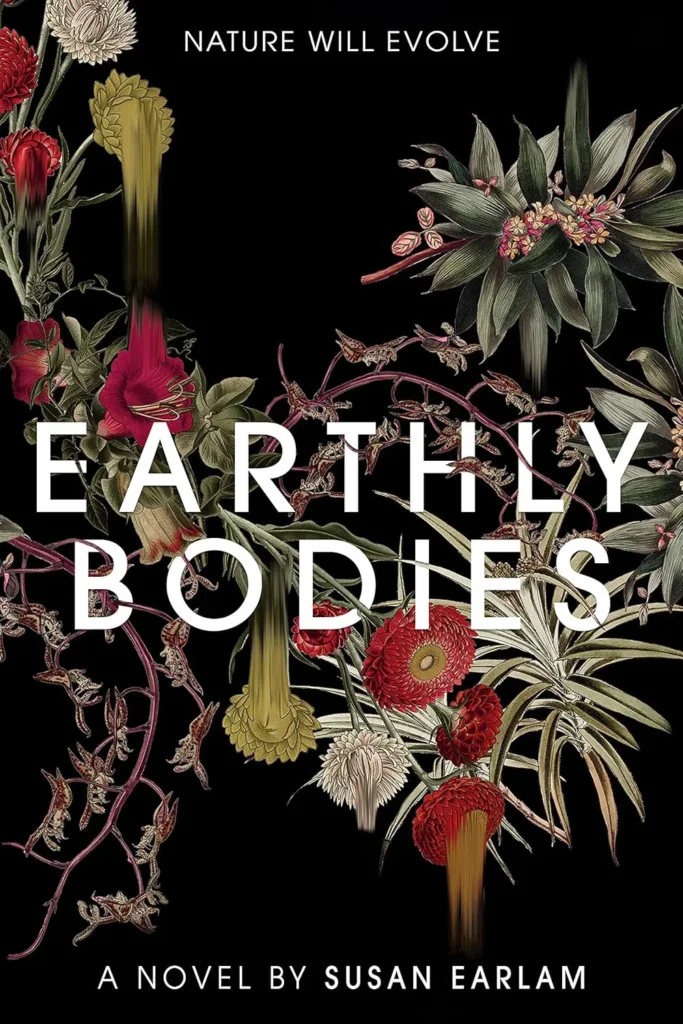
This author spotlight is part of Self Publishing 101.
You can find the rest of the course and resources for independent publishing here.
-
The Monopoly of Amazon
Read more: The Monopoly of AmazonWhy do we hold indie authors to a higher standard?
First of all, I respect anyone who chooses to publish outside of Amazon’s ecosystem. My hat is absolutely off to you. Self publishing allows us to make choices that align with our own needs and values and if you have the resources to print and sell your book without Amazon that’s bloody brilliant.
What I don’t like is seeing indie authors shamed or embarrassed for using Amazon.
Would you imagine shaming a traditionally published author for being sold through Amazon?
Absolutely not. That would be absurd.
The research I’ve done says that half of all book purchases in the U.S. are made on Amazon.1
Choosing not to sell your book through Amazon is leaving a lot of sales on the table and putting yourself at a distinct disadvantage.
Author Susan Earlam talks a lot about that in her author spotlight here:
If you choose not to utilize Amazon you’ll need to lean on your own community (both locally and your group of supporters online.) And probably accept that you’ll sell a lot fewer books.
It’s also worth noting Amazon print on demand services which make publishing accessible to those with less financial capital. I never could have afforded a local bindery for my first book project. Amazon’s print on demand offerings are what made selling print books accessible to me.
When NOT To Sell on Amazon
I chose not to sell my first book, Discover Your Creative Ecosystem, on Amazon for a few reasons.
- I didn’t believe the term “creative ecosystem” would be frequently searched for.
- Profit margins are small (I’d actually make a loss at the length and quality the book is printed now.)
- I wanted to sell directly to my community.
- I wanted 100% profit from ebook sales.
However, for my next two books, I will be selling on Amazon for the same reasons:
- I believe the titles and topics will be searched for.
- Books are designed with Amazon profit margins in mind.
- I want to reach as many people as possible (especially for the picture book about autism and neurodiversity.)
- Reaching more people is more important than the profit per sale.
A Middle Way
There are plenty of ways to utilitze Amazon’s marketplace without going all in.
- Sell author copies directly through your website. (This is allowed by Amazon. You’ll make more per book and you can sign or customize the way books are shipped. You can also have quality control because the Amazon print on demand services have a bad habit of sometimes sending out damaged books.)
- Sell author copies at bookshops, events, and festivals as well as Amazon.
- Sell physical books on Amazon and ebooks through your own website.
You can also do your part as a consumer by purchasing books outside the Amazon ecosystem whenever possible (indie bookshops, direct from publisher, from authors, secondhand, etc.)
But this often means books will cost a bit more due to Amazon’s reduced shipping costs. How often we can do this will vary depending on our personal finances and what bookshops offer.
1 So You Want to Publish a Book? by Anne Trubek