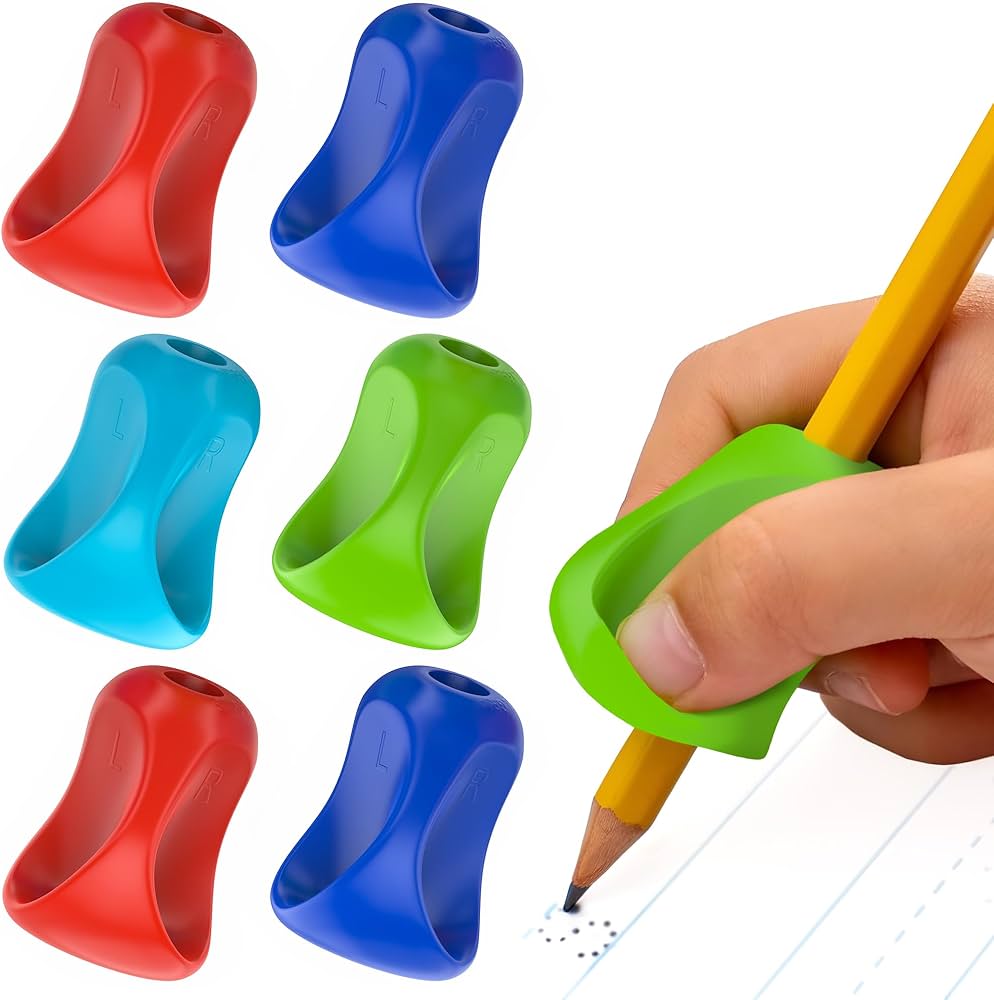
I’m an autistic adult with hypermobillity (recently diagnosed with hEDS) and home educating parent of an autistic child. I’ve experienced pain with handwriting my whole life and thought it was normal or my fault for holding the pen “wrong” when my joints are actually genetically different and need more support.
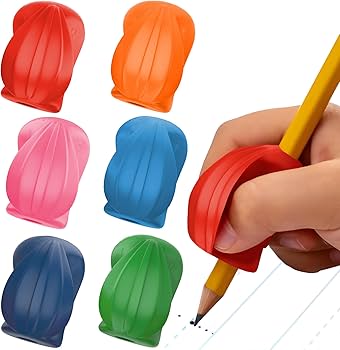
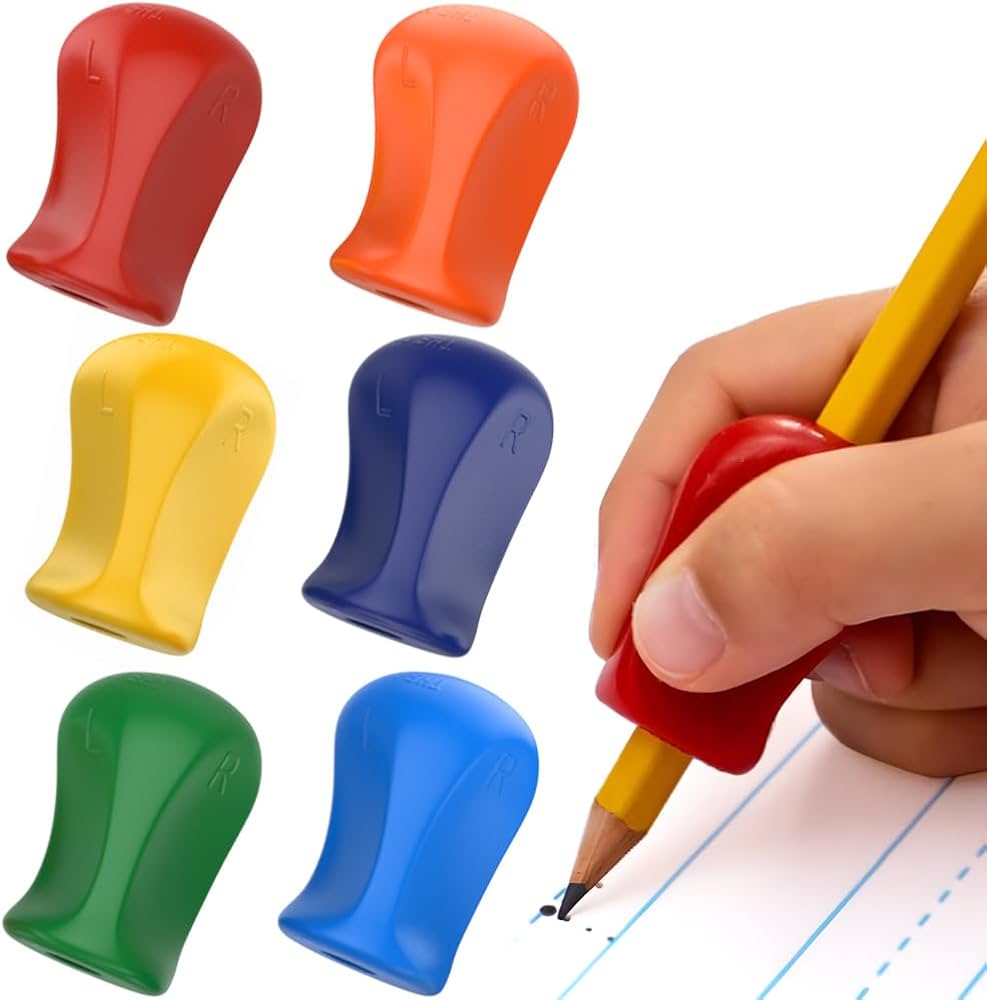
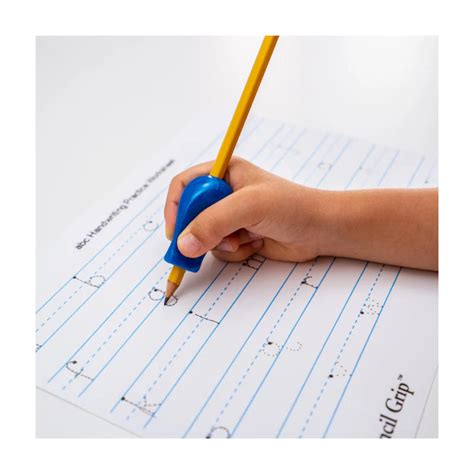
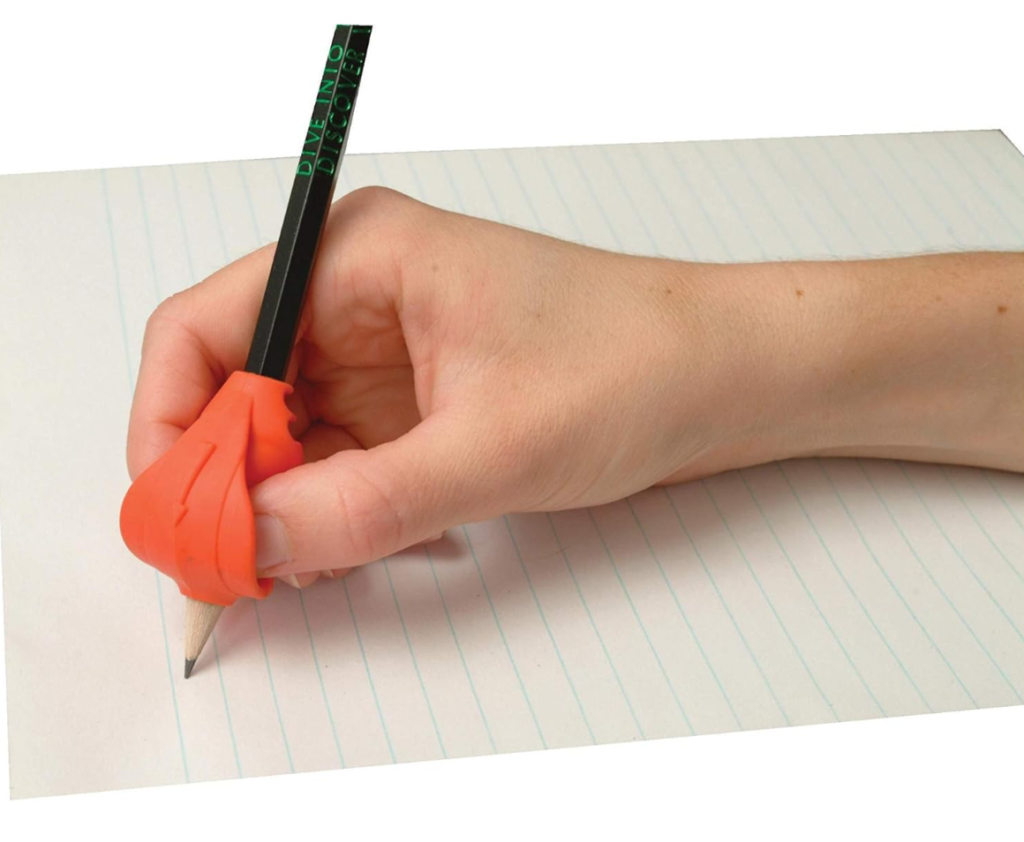
I’ve spent the last year testing out pencil grips and handwriting supports for myself and my neurodivergent child. I started with those egg shaped grips above and found they weren’t helpful at all.
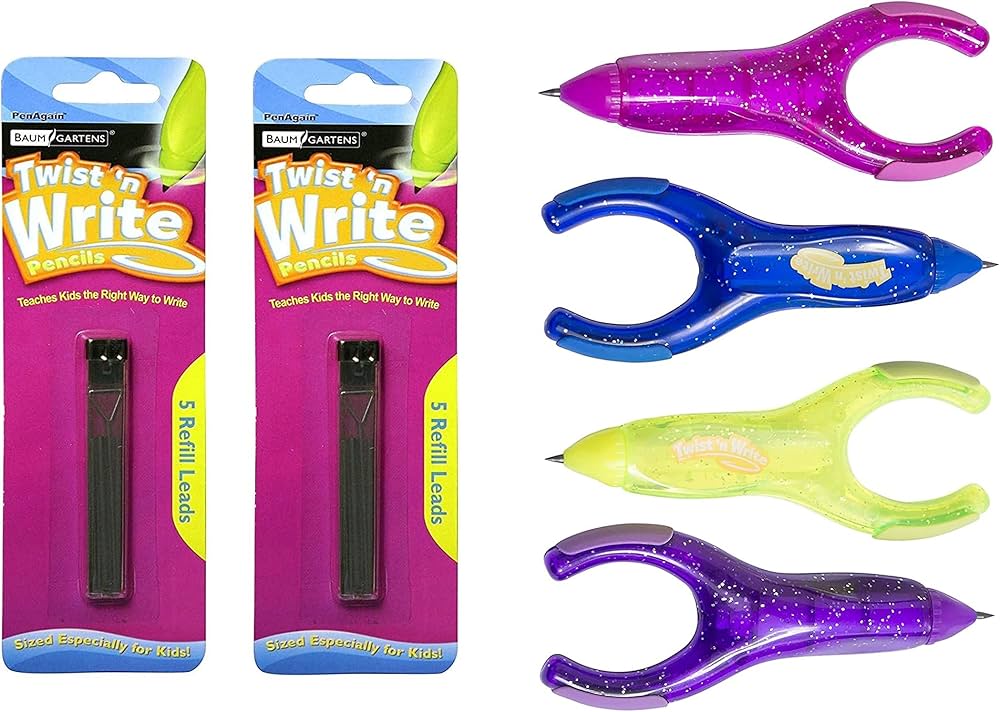
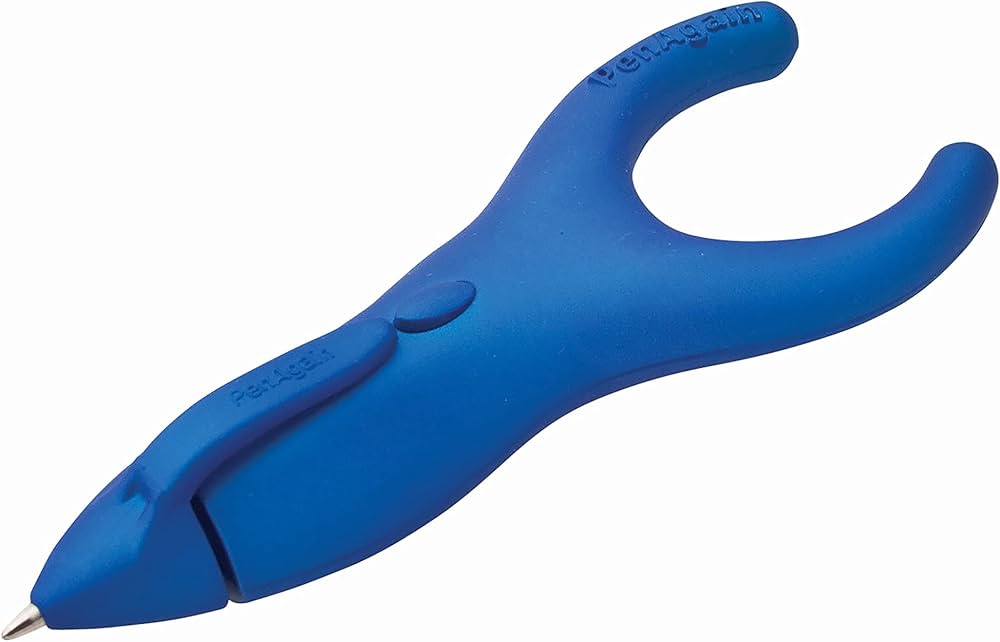
Here are my favorites and the pros and cons of each choice.
The following are affiliate links. I bought these at Amazon so I was able to test and return the grips that didn’t work for me. I wrote more about why Amazon can be essential for some disabled, chronically ill, and neurodivergent people here.
P.S. After writing this post YouTube showed me this video of Taylor Swift using an alternative tripod grip because of hypermobile hands. Maybe I’ll try it out!
Are you new here?
You can see more of my posts about neurodivergence here. I’m newly diagnosed with hEDS, MCAS & POTS and will be sharing resources as I find them. The best way to keep in touch is my email newsletter or subscribing to my blog via RSS.
FOOTNOTES
* I found this after the video and ordered it for further testing. I’m looking for a supportive pen that takes normal size pen refills. If you have a favorite let me know!
That was Amazon Web Services being down. Shop elsewhere if you can, but our household budgets are a drop in the bucket for Amazon. They are raking in money selling cloud computing services to corporate businesses.
If you truly wanted to boycott Amazon you’d have to abstain from a huge swathe of the Internet.
Shopping online is accessible.
I’ve talked to so many chronically ill, disabled, and neurodivergent people who feel guilty about using Amazon.
Here are some of the reasons they may need to shop online.
They experience sensory overload in busy shops.
They experience chronic pain.
They have limited capacity and shopping is too draining.
They have compromised immune systems.
They have children who meltdown after shopping.
They need specific supports that are not available locally.
In cases like these, shopping online can be a necessary support tool.
Why Amazon?
Just because I link to Amazon doesn’t mean you have to shop there.
If you have the capacity and financial privilege to shop elsewhere you can easily take the time to find other places to source the products mentioned.
When I link to Amazon I’m just sharing where I bought the product. (I may also link to Bookshop.org or Libro.fm.) I also know that many disabled, chronically ill, and neurodivergent people are under or unemployed. And Amazon almost always offers the best savings for a price conscious shopper.
Especially for those with access to Prime shipping.
Free returns & exchanges
Buying a fidget, or a pencil grip, or a sleeping compression pod isn’t like buying a book. You sometimes need to feel the texture, to hold it, or to try it on for size before you know if it will meet your need.
Most sellers on Amazon have very flexible return policies.
When I tested the pencil grips for the video I’m making I was able to return the grips that won’t work for me—even though the packages have been used. Amazon will then sell these grips to someone at a discounted rate.
The Pencil Grip website not only charges the customer for return shipping, but will not accept any packs of grips that have been opened & tested.
As a small business owner, I understand. But as someone trying to find the right support tool without spending over $100 on pencil grips I’m thankful for the option to make easy returns. ***
It’s not all or nothing.
For certain purchases I may choose not to shop at Amazon. Here are reasons I may choose to shop elsewhere.
To shop secondhand.
To buy directly from an artist.
To support a small business.
To buy from good.store which donates 100% of profits to charity.
To support local bookstores—in person or online through Bookshop.org (for books or ebooks) or Libro.fm (for audiobooks).
There are many ways to resist.
I may not be able to quit Amazon. But, there are other ways I resist.
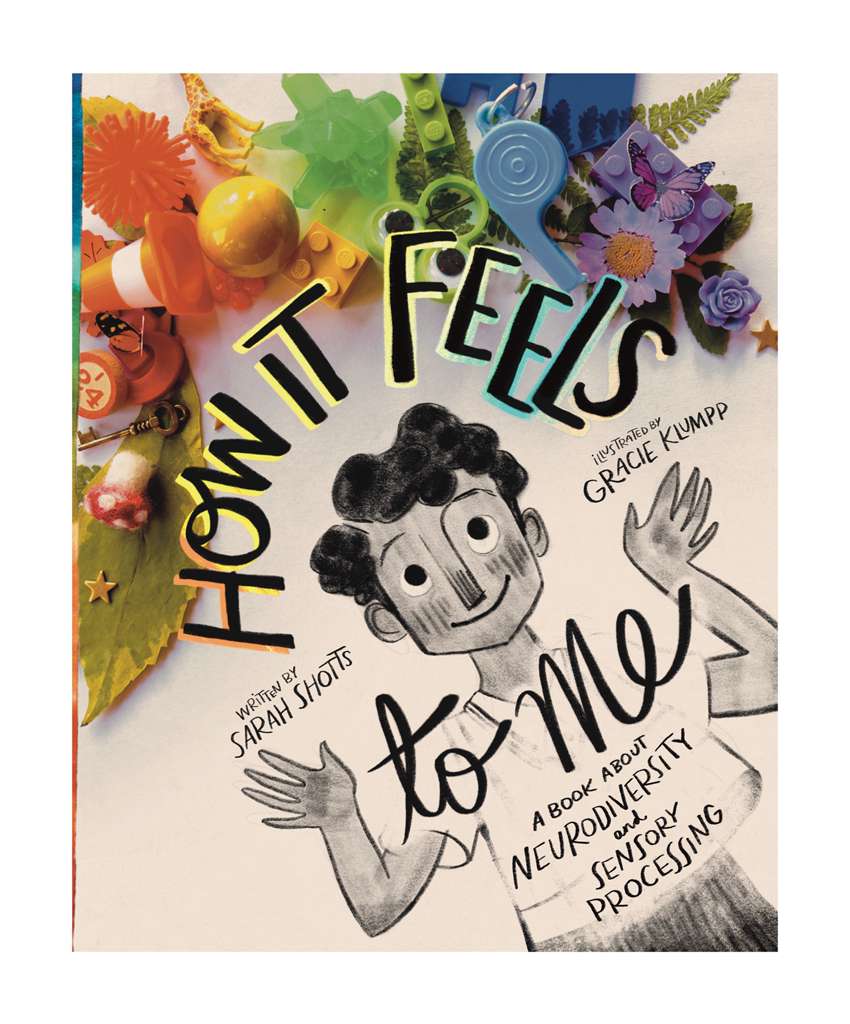
All of my books have free versions available to those experiencing financial hardship. (This will continue with How it Feels to Me. We are working on creating a professionally narrated video version free to all.)
Books sold through my web shop are author copies and Amazon does not get a cut of the profits! (Additionally, How it Feels to Me hardcovers are printed by Mixam and not sold through Amazon at all!)
We should stop expecting everyone to be perfect.
It’s easy to get fixated on where to shop and forget other important ways you can advocate for causes you care about. Instead of judging folks for shopping at Amazon, ask what positive action you can take.
Let’s stop wasting energy bickering with each other.
/ rant
Thanks for listening. I appreciate you.
If you’re also a begrudging Amazon shopper I hope you feel less alone. Guilt and shame are toxic and help no one. We’re all doing our best out here.
Cheers,
FOOTNOTES
* This is hyperbole. AWS is not the WHOLE internet, but is a huge portion of it.
** I left my own position as a university instructor last year for health reasons. I do write & sell books, but currently my creative projects are breaking even and not making a profit.
*** I recognize that making returns can be difficult and is not accessible for everyone. I’m really lucky to have a partner who takes care of most of the returns for our family.
**** Yes. I used an em dash in this post. I never use AI, but I have been picking up some tips from my books’ (incredibly patient) copy editor.
Within a year of giving birth I started making art to process my experience. That was the beginning of This is My Brain on Motherhood.
Seven years later, I think I’ve fully integrated the identity of parent.*
Which means I’d like to complete this collection, celebrate it somehow, and then move on to making art on other themes (like neurodivergence or perhaps chronic illness.)
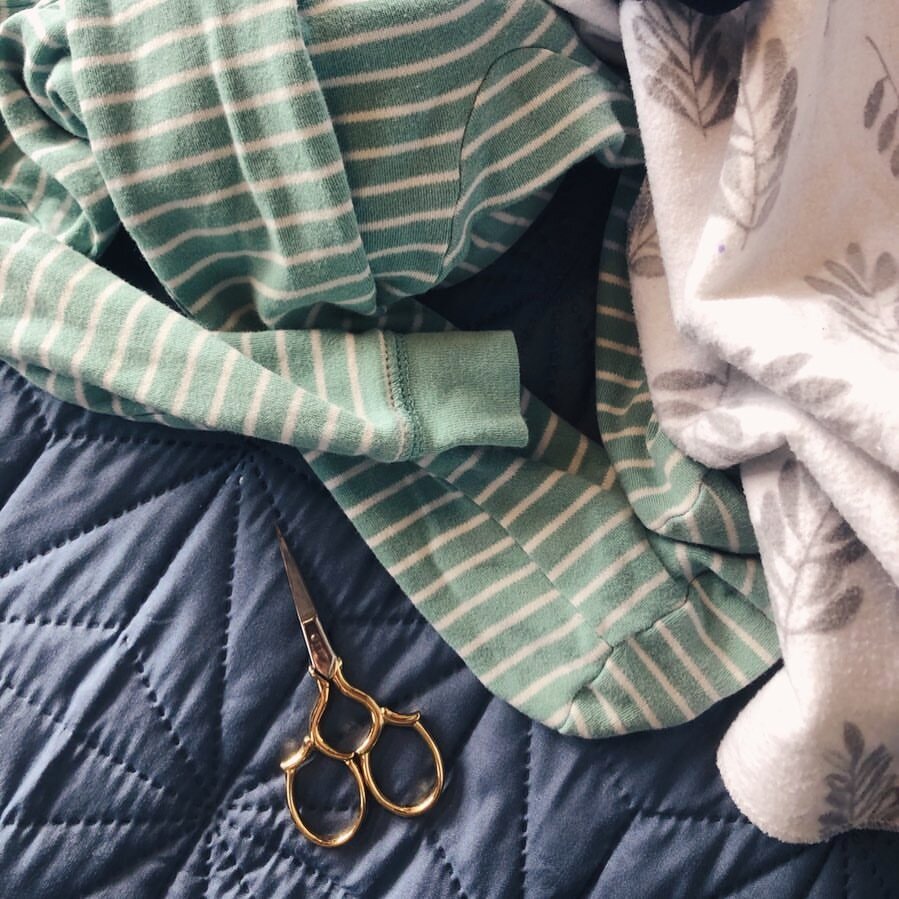
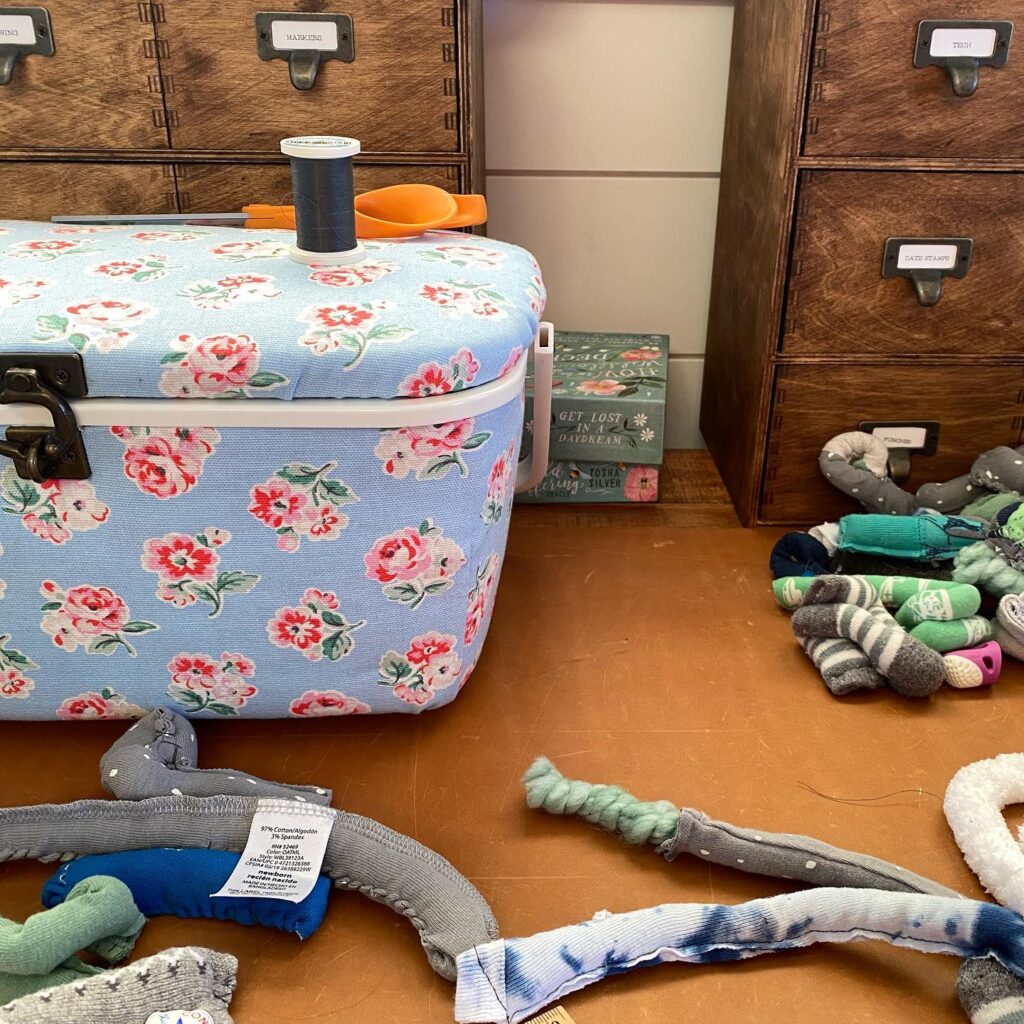
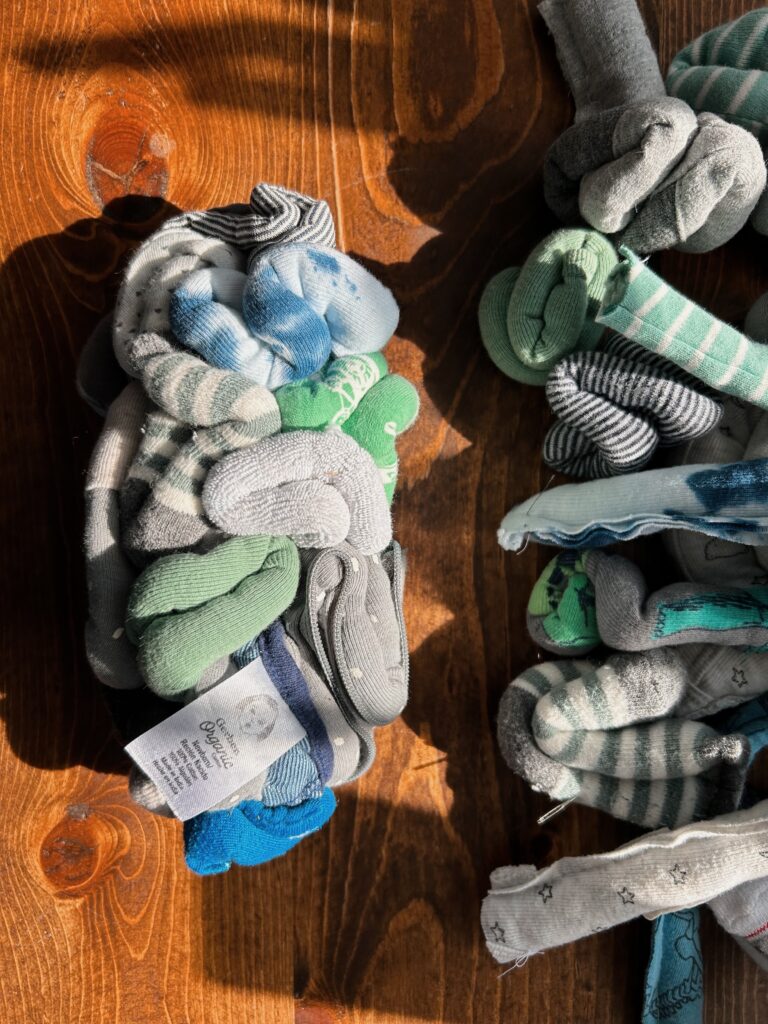
One of the pieces I’ve struggled to complete is a soft sculpture brain made with baby clothes. From the first little brain noodle (the white washcloth center of the left hemisphere) I had the vision.†
But sewing through layers of fabric is hard on the hands and pretty quickly I had split my skin and it was too painful to continue. I finally realized the easy injury and slow healing was due to a connective tissue disorder (more on that soon).
I tried every thimble under the sun and none of them were dexterous enough to give me the fine motor control I wanted. I put the project down for months on end and picked it up a bit here and there – always ending up a little worse for wear after working on it.
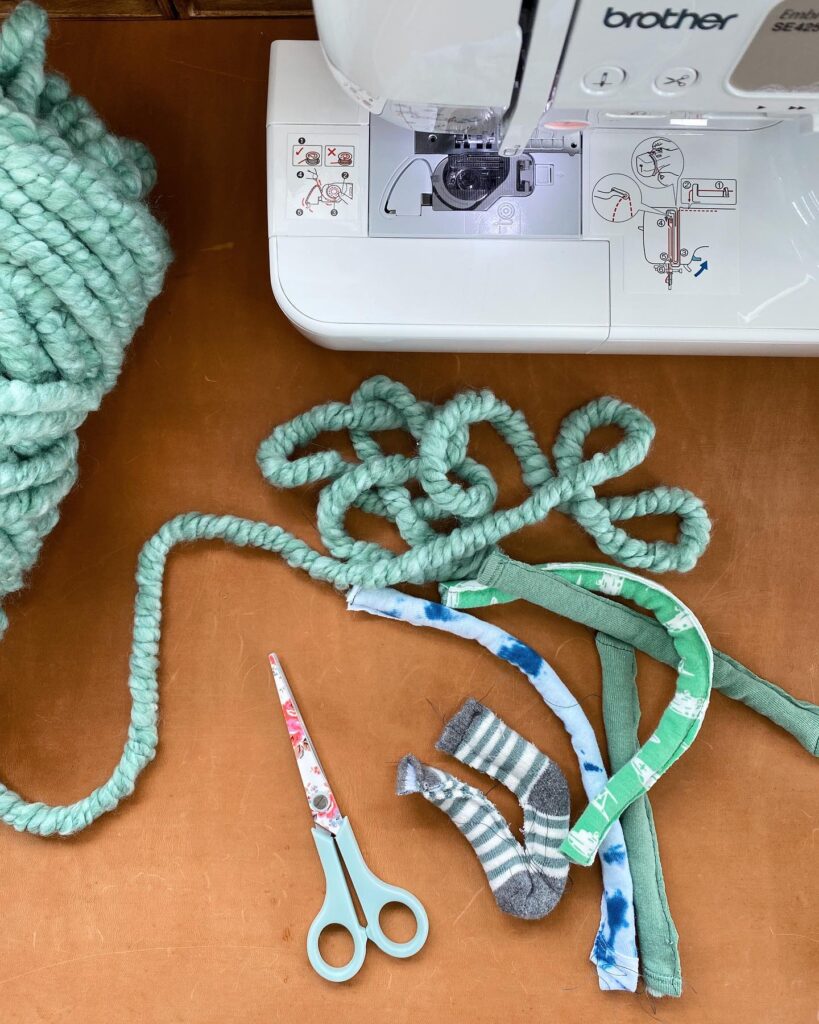
Eventually I discovered the needle puller from Mx. Domestic (in action above!) and was able to sew the second hemisphere of the brain.
But I still felt stuck. It took a while to realize why. The form was coming together, but I was lost on its purpose. I still had no clarity on what the brain was meant to represent.
It all felt a little too sentimental to be fine art, but too weird to not be.
Sometimes my art begins with a concept I want to represent. Other times I start with the form first and find the meaning during the process.
Least week, I saw an upcoming deadline for a project about chronic illness. And I suddenly realized, with a few changes, this piece has the potential to represent brain fog. A symptom of new motherhood and hEDS (one of my new chronic illness diagnosis’.)
Instead of a complete brain my vision is now for half wool roving to spill out representing brain fog.
Ending with this piece feels very full circle.
It wasn’t my first work about motherhood, but was certainly one of the earliest. This piece held space for me to reflect as I sewed scraps of newborn onesies, toddler tees, and tiny socks.
Having a connection to chronic illness – a theme I’d like to explore next – feels right. Perhaps this will even be a work that belongs in both collections.
I’ve intended to write a blog post about ARIM for oh, six or seven years. At this point I’ll probably give it a few months and write a full retrospective.
This body of work was created with the intention of eventually hosting a solo art show. A pop up where I hung my art in my house and invited a handful of friends over to see it.
Little did I know my art would travel to galleries across the U.S. and even be exhibited in New York City.
I have other visions now, for celebrating the collection virtually, in a form that isn’t geographically limited.
But I’m still working out the details.
Would you be interested in…
“This is My Brain on Motherhood” art book / monograph
set of postcards
art prints
virtual artist talk
If so hit reply and let me know!
This project would be slotted for autumn or winter (after the summer book launch for How it Feels to Me.)
I’ll be back next week with more neurodiversity chat.
Perhaps literally! I’ve been working on a new podcasting set up.
If there’s a topic you’d like me to cover send me a note and let me know.
Thanks always for your support.
Cheers,
FOOTNOTES
* I knew autistics struggled with transitions, but this was one heck of a transition. I did NOT expect it would take this long to exit “crisis mode” and feel like I’m a person again. Nevertheless, I’m glad that making these pieces and creating Entwined & Ember were portals for me to explore the identities of mother and parent and what they means for me.
† Shoutout to Mindy Sue Meyers for hosting the soft sculpture workshop and for encouraging me – even when I completely ignored her instructions and took things in my own direction.
Over the last decade I have been neuroqueering my creative practice. Setting aside neurotypical, able bodied, and capitalist expectations for consistency, branding, and profit like the ill fitting shoes they are.*
Looking back, the times in my life I was rigidly consistent I was run deeply outside my own capacity, which over time took a toll on my health (both mental and physical.)
Allowing my creative projects to fluctuate with my capacity, as a chronically ill autistic caregiver means that they ebb & flow. Seasons when my time and energetic capacity expand so does my creative practice. When I am experiencing a pain flare or focusing on caregiving challenges my projects shift into dormancy or ideation.
Having many different mediums means there is always something to fit my capacity.
I NEED ART TO LIVE.
Art is how I self regulate, how I co-regulate with my child, and how I process lived experience and the world around me.
Without art I go to a dark place.
For years, I had inflexible routines and self imposed deadlines that did not serve me. But the newly discovered fluidity of my creative ecosystem has allowed me to flourish in unexpected ways.
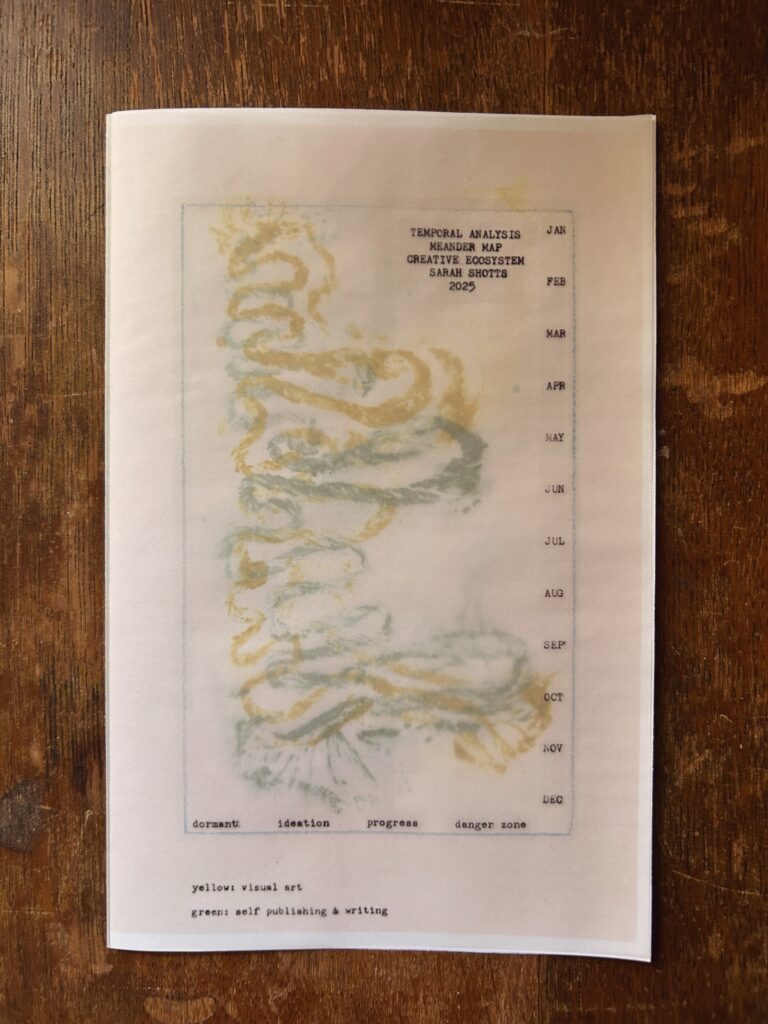
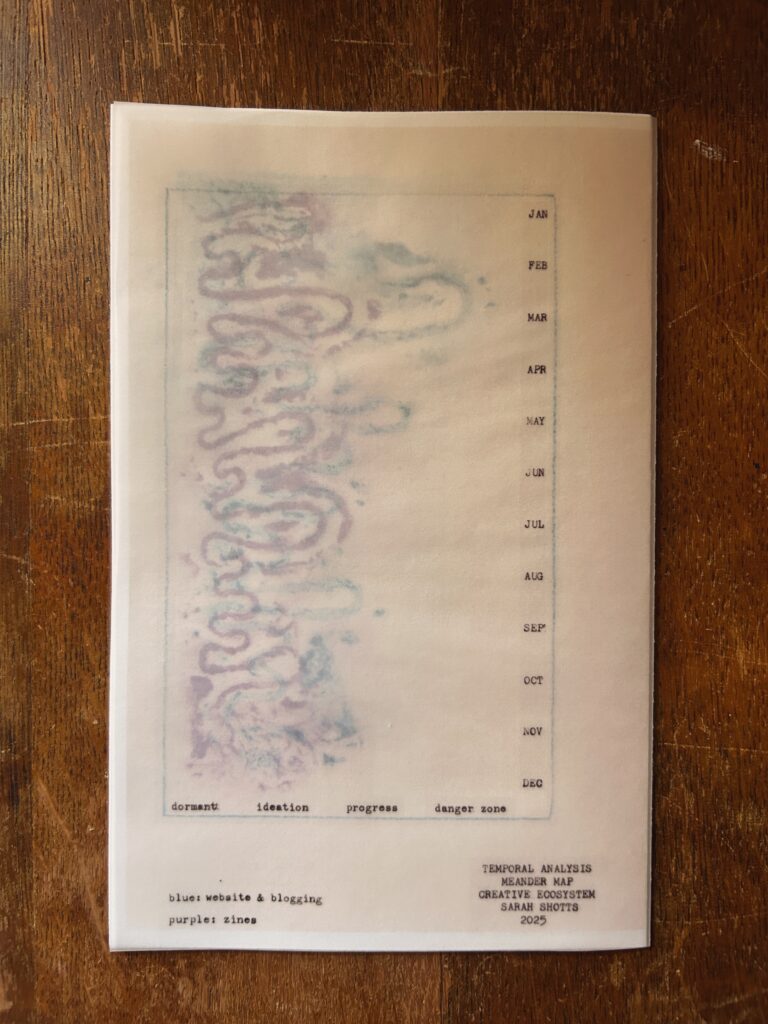
This meander map is based on my 2025 Artist’s Log which tracked the time spent on each creative project over the course of the year.
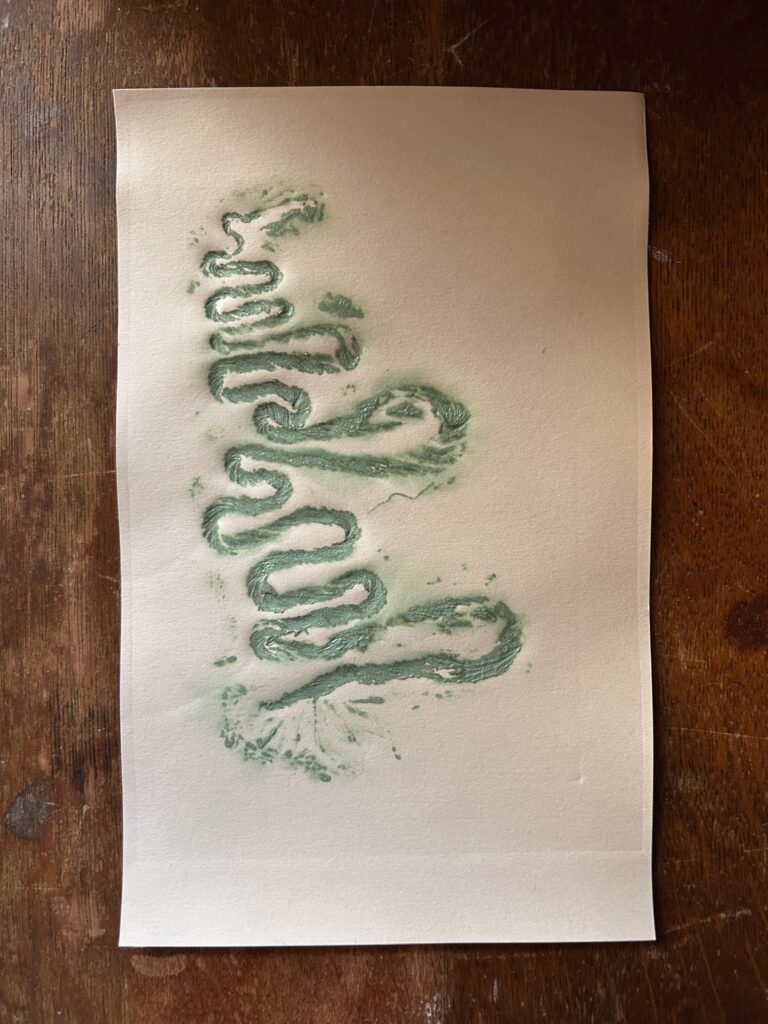
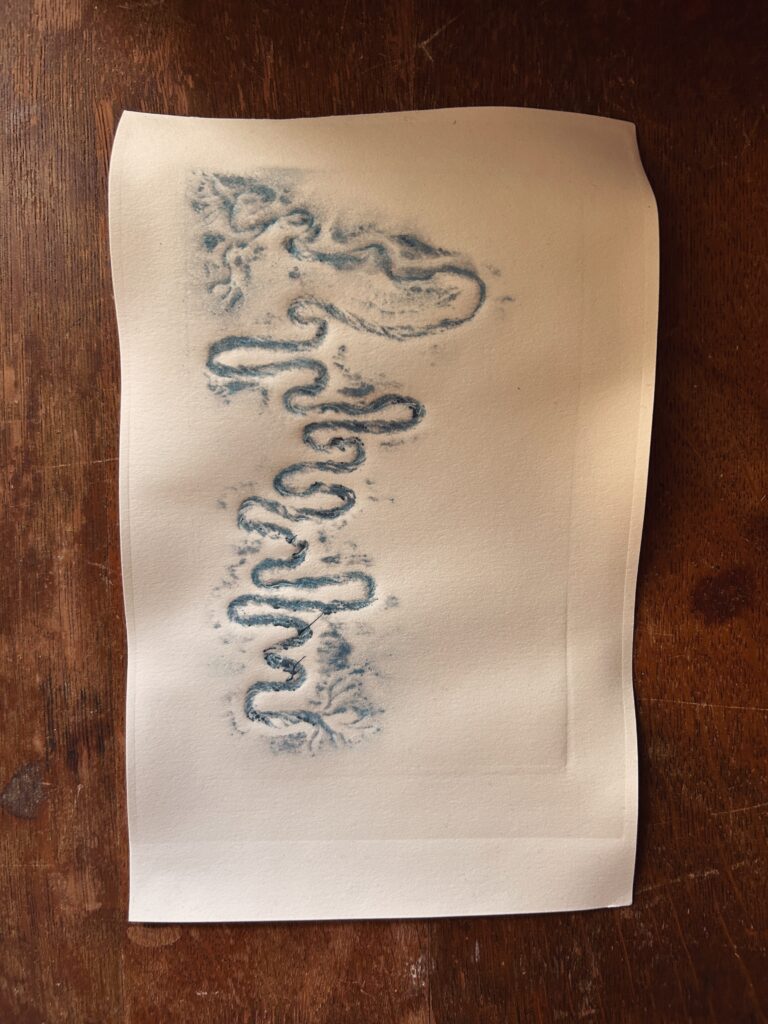
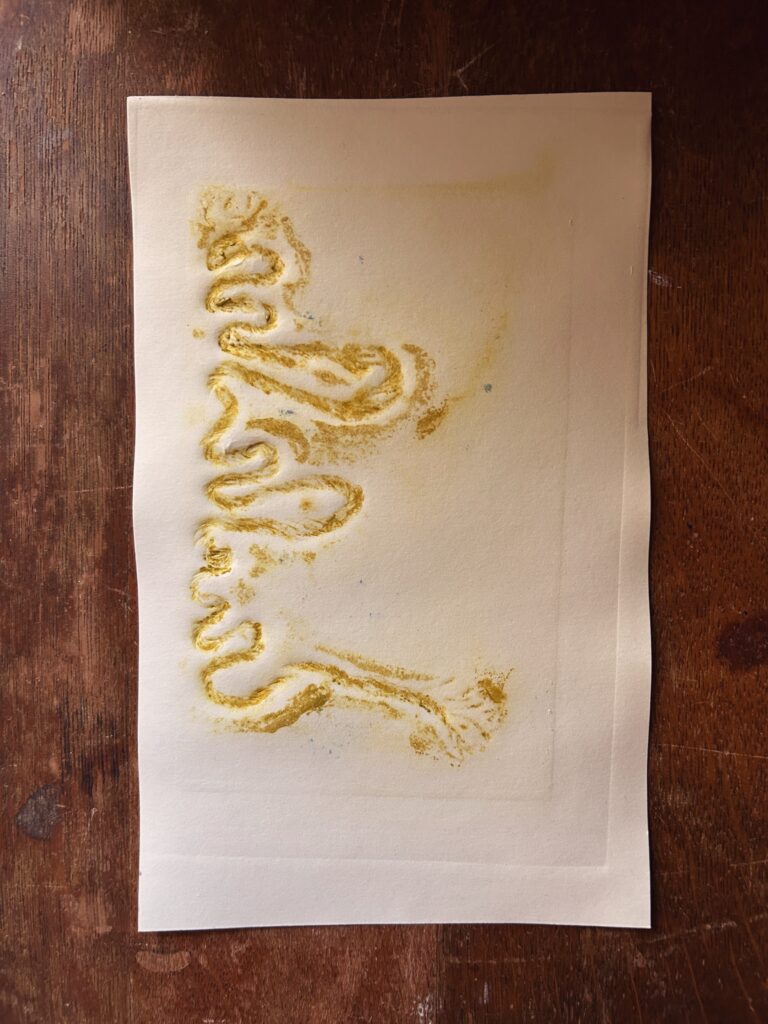
These undulating ribbons represent the four main streams of creativity I pursued in 2025.
Yellow: visual art
Green: self publishing and writing
Blue: redesigning website & blogging
Purple: zines
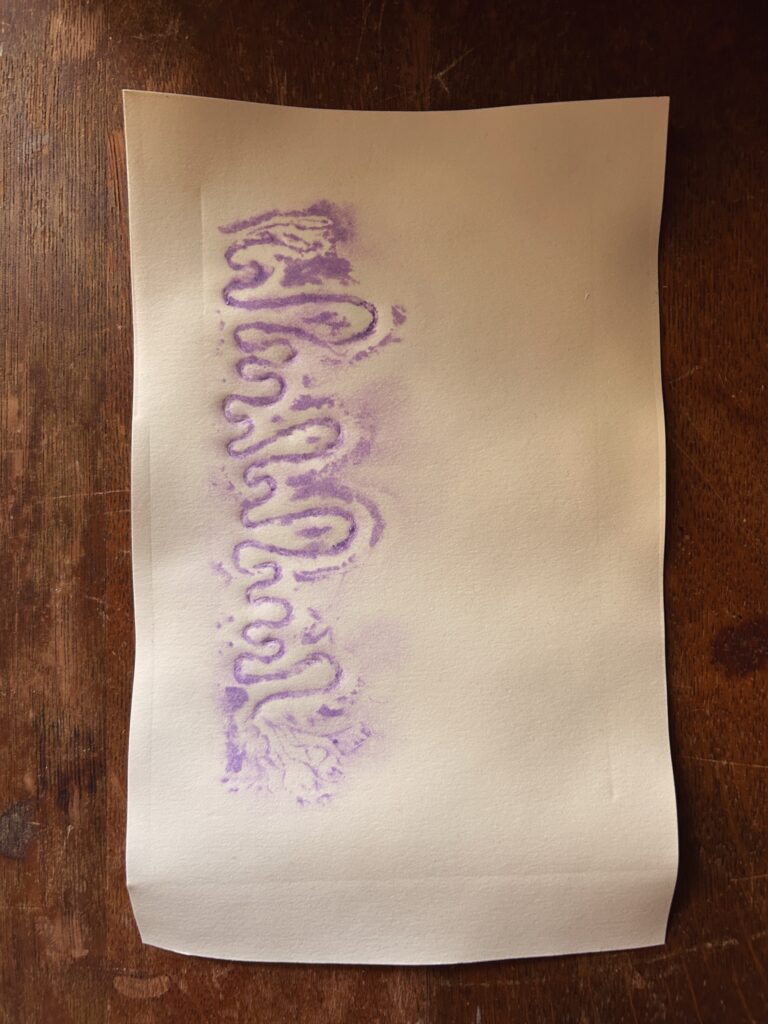
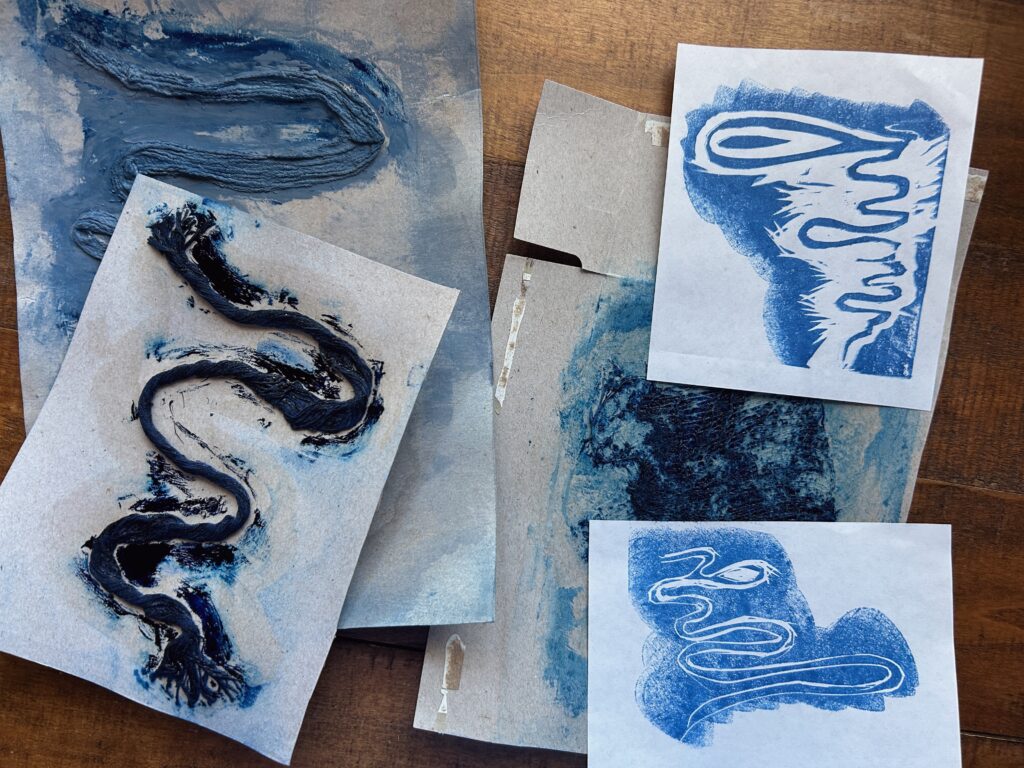
The process of crafting these prints took several months. Calculating stats, making a graph, drafting the meanders, testing printmaking techniques, paper & inks, creating collagraph plates with unraveling cotton twine, and printing each plate onto wet paper using the Provisional Press.
The prints were digitally combined for the zine cover and overlaid with a key on transparent vellum. This layer can be removed to display the zine as a diptych. The zine was hand typed on my 1950s Smith-Corona typewriter.
The concept and color palette were inspired by the meander maps of geologist and cartographer Harold Fisk.
The above text is from February’s zine. If you’d like a copy you can subscribe for $5 a month or buy a single zine in my shop.
Here’s a peek at how the layers work together with the transparency.
Here’s a peek at how the prints are coming out (ignore the buckled untrimmed paper). They will all be flattened, signed, and numbered. Each print is unique. Remaining prints will be added to my shop, and will be priced at $65.
Collagraph is a printmaking process I learned in university. It feels good to return to it after so much time. I shared more about the process (along with a few other test prints) on the blog a few weeks ago.
Thank You
To everyone who sent kind messages and preordered books after last week’s post about illustrating neurodivergence. Gracie & I really appreciate you and very excited to get this picture book into your hands.
If you’d like to preorder a limited edition hardcover you can do so here.
(Paperbacks will be coming soon at a lower price point.)
In Case You Missed It
If you’re having a hard time with the state of the world I wrote this for you a couple weeks ago.
* Neuroqueering is used here as the verb meaning, “the practice of queering (subverting, defying, disrupting, liberating oneself from) neuronormativity and heteronormativity simultaneously” as coined by Nick Walker Ph. D.
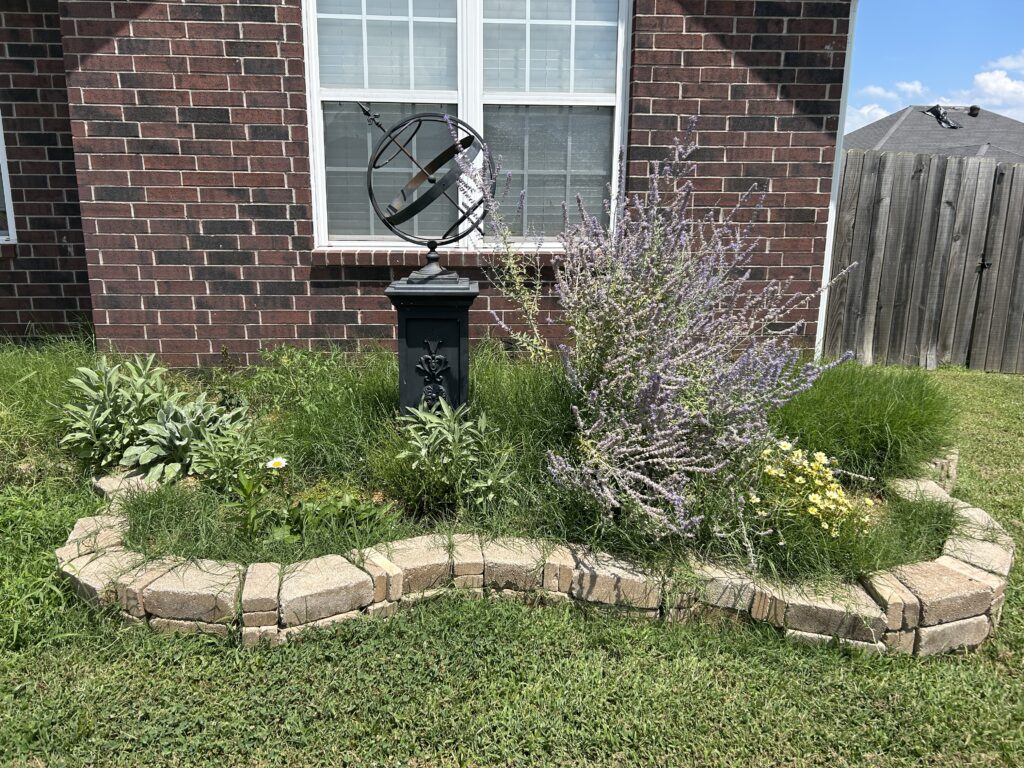
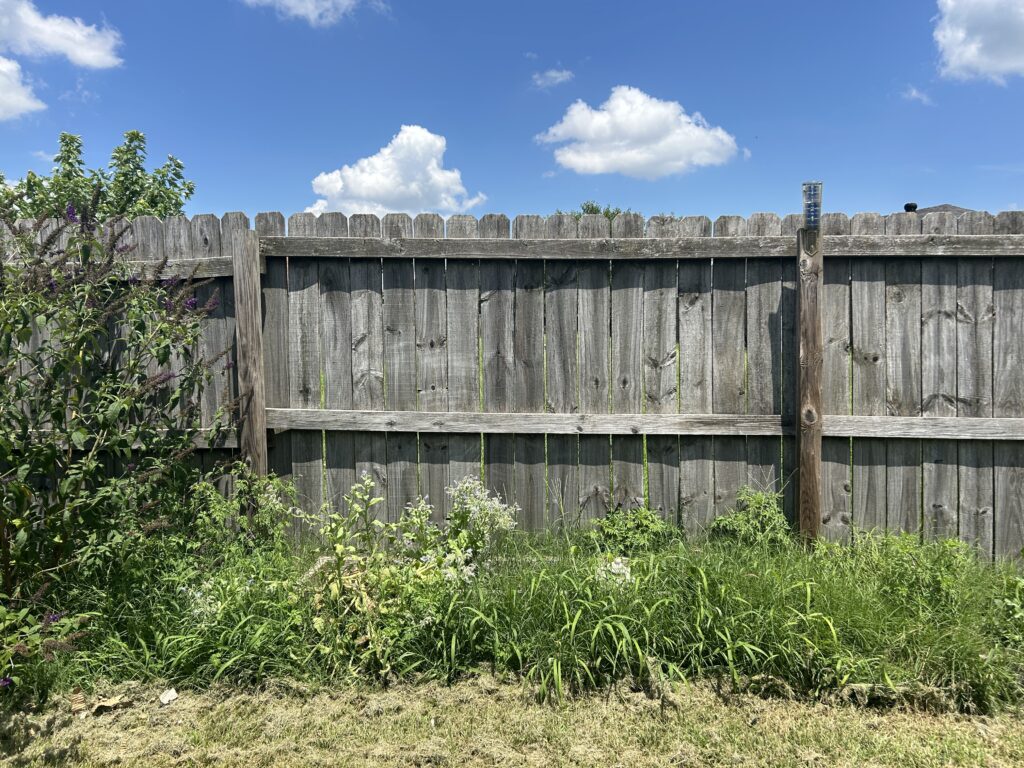
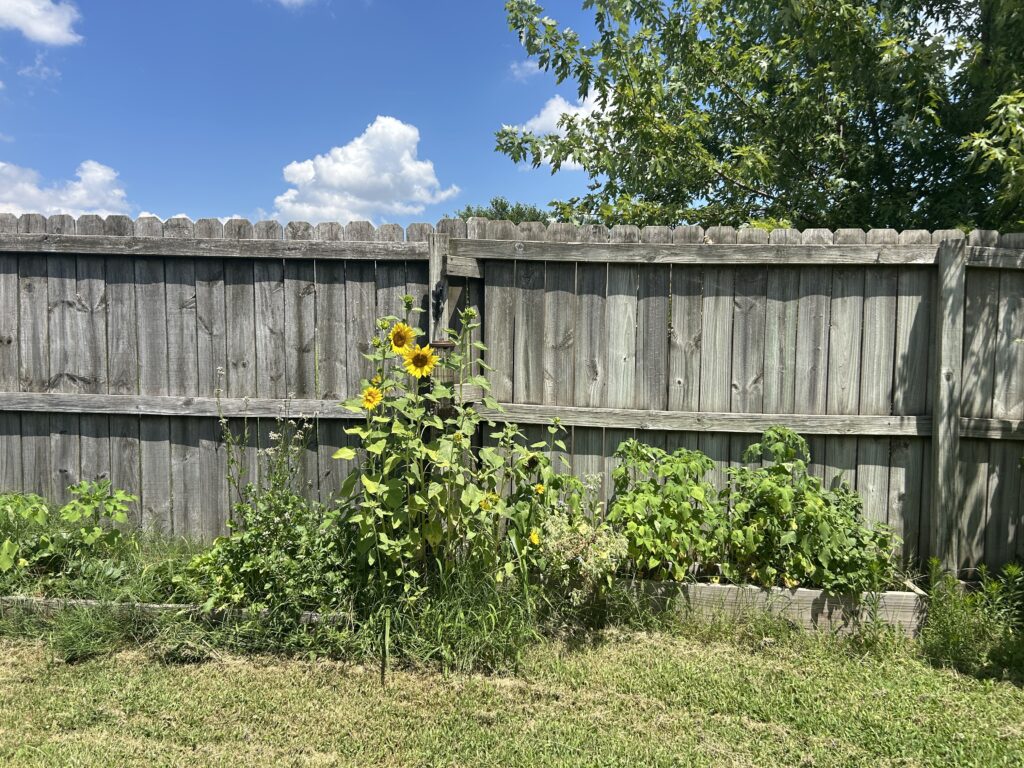
After being gone for a week and sick for another here’s a look at how it’s going. And it’s going to stay this overgrown for a while.
One of my chronic illnesses causes heat intolerance so it is what it is at this point. (I can do a bit in evenings, but can’t keep pace with the grass.)
The perennials that hold space against the grass are key. I keep adding more of them, but we can only afford to do so much at once. 🤷
I show this to not idealize the chaos gardening approach. It works better in some seasons than others. Between the heat and the rain the witch grass is currently winning. My main point is that you don’t have to be a perfect gardener to enjoy gardening.
The self seeded sunflowers are a bright light. They’ve attracted goldfinch which we don’t often see.
Unfortunately, this book is needed more than ever.
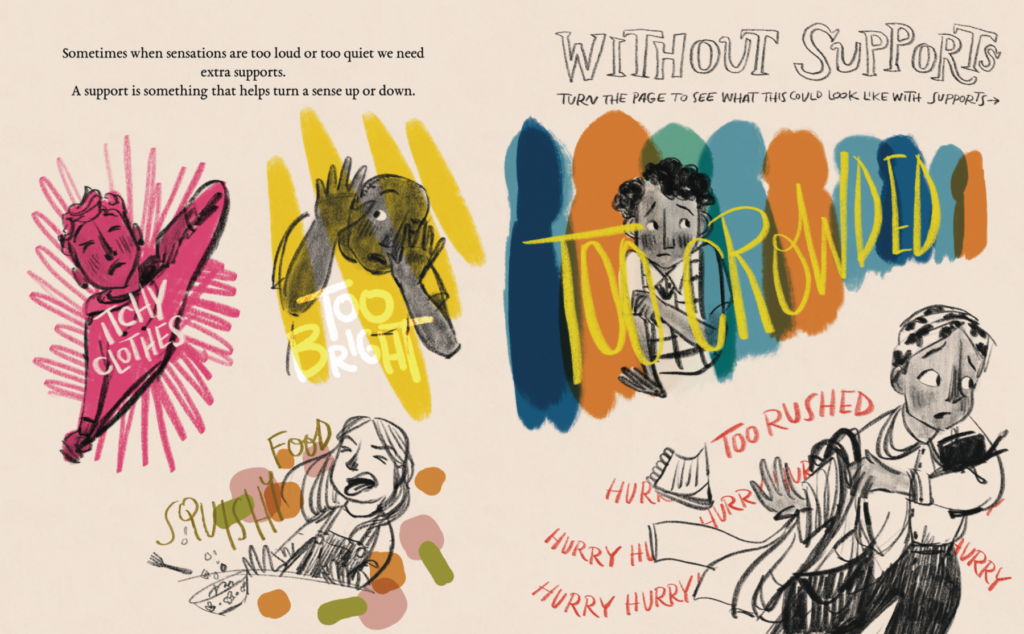
Harmful information is being spread by the US government categorizing autism and ADHD as epidemics. Neurodiversity is not a broken brain! It is a brain that experiences the world differently and this picture book shows how.
If you’d like to support the project you can preorder or donate a copy to a school, library, or a neurodivergent family in financial hardship.**
If you missed my last email I wrote a post called What is Autism? that breaks down sensory processing and autistic differences.
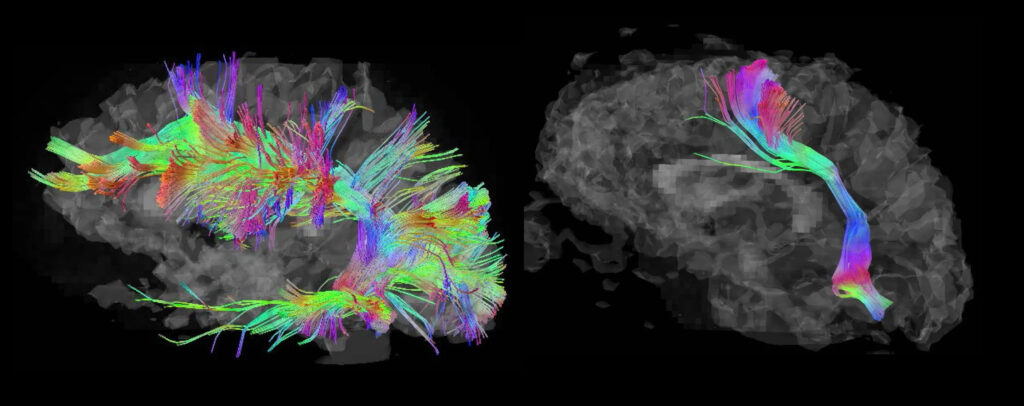
The brain on the left is autistic. we process a lot more information in any given moment.
I end the post with this footnote,
“Being neurotypical just means that your brain is processing the world like most others. This means the dominant culture has been made to support the way your brain processes the world around you. You are surrounded by supports for your neurotype every single day.”
This is a concept I’d like to explore further. It really turns the idea of supports on it’s head.
I’ve come to the conclusion I need to free up some mental capacity to really delve into this world in the way that’s needed. Turns out proofing three separate books for self publishing is kind of a lot. I’m being patient with myself. There’s no rush on this.
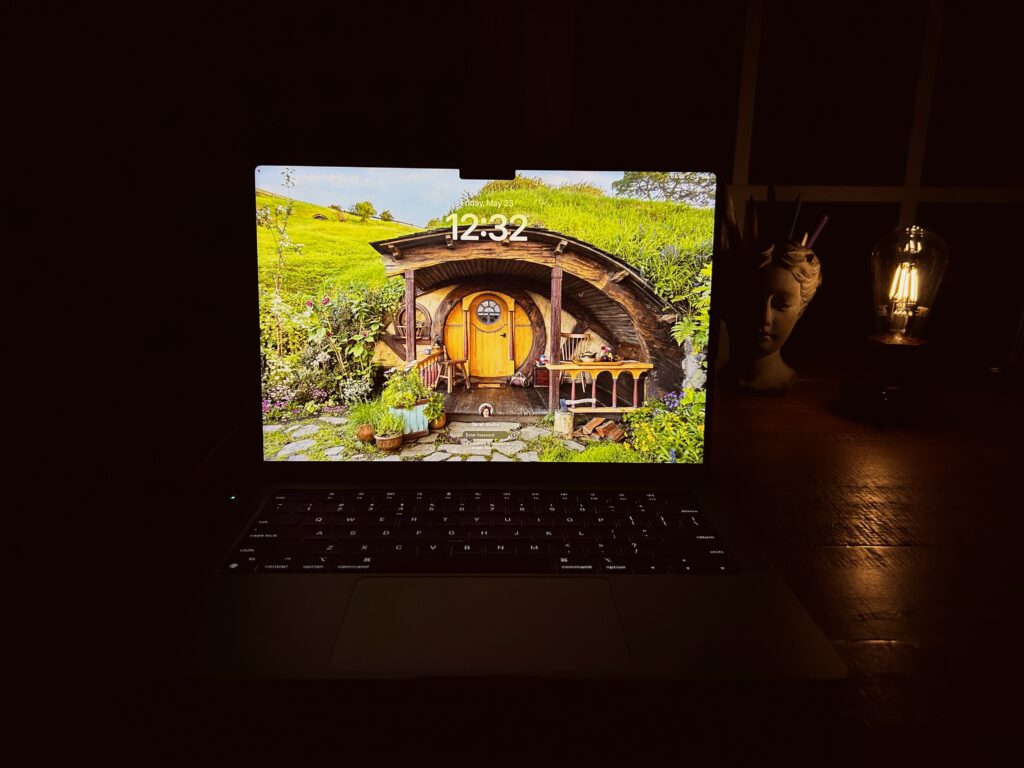
Here’s a peek at my writing workspace.
I set this up in the living room when it was too cold to be in the studio (and soon it will be too hot.) It turns out that extreme heat and cold trigger migraines so I’m afraid I am a fair weather studio artist. Accepting that my body needs what it needs means making spaces that work for me.
If you’re reading this in your email inbox you can just hit reply to message me directly. I’d love to hear what you think. It makes it worth the time I put in.
Thanks for being here.
I appreciate you.
FOOTNOTES
* I’m no longer digitizing zines. Due to chronic migraines I’m attempting to cut down on screentime. I wrote a bit about that here.
† What is a microblog? Basically a social media style blog feed that I archive on my own site. I’m working on setting this up to autopost to Bluesky. I call my microblog scraps – evoking both a scrapbook or commonplace book and also the bits of kitchen scrap that end up in the compost heap.
** If you donate a book we are happy to find the book a home or to send it to the school or library of your choice.
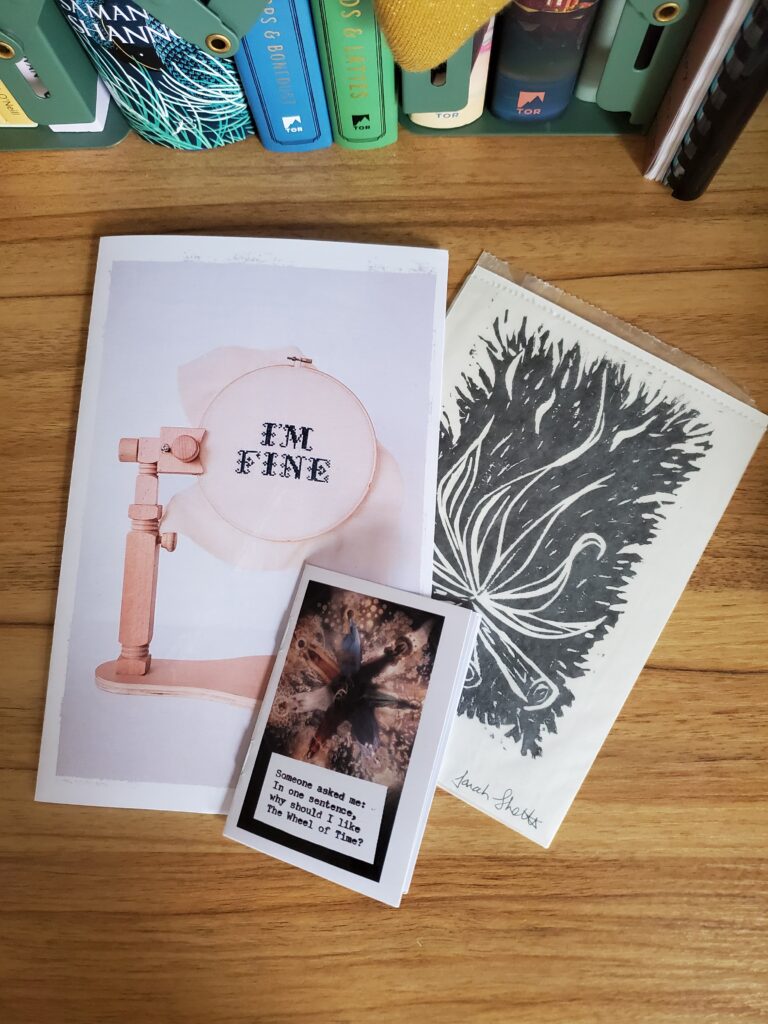
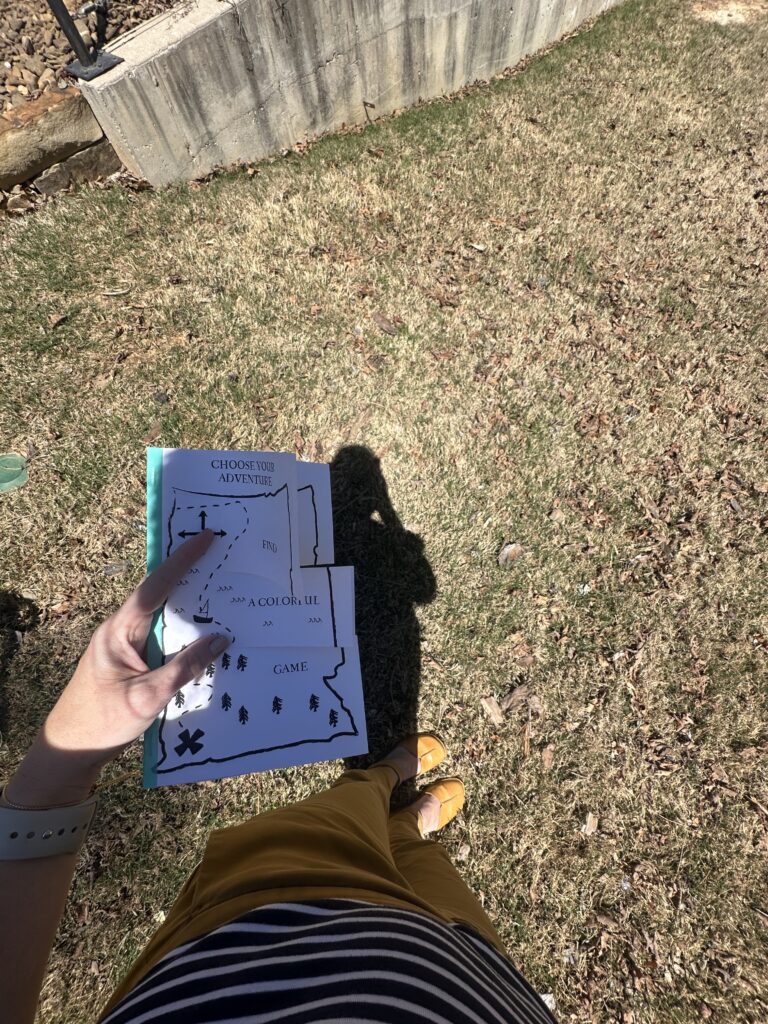
I think I’m finding my groove with zine making. I had a lot of fun going analogue this month and in addition to my typewriter I also incorporated collage and nature rubbings.
Therapeutic weeding. The front bed is overrun with witch grass because I wasn’t well enough to garden last year, but reclaiming it one patch at a time. Excited about our first sea holly – it’s a variety called Hobbit.