From the Compost Heap header. A pencil style illustration of a compost heap with flowers and plants growing around it. A bee buzzes by and a white rabbit hops by.
  • Do you hear that lightbulb buzzing? 😣

    Did you know that most people don’t notice the feeling of clothing tags?

    I used to think that everyone felt the same itchy irritation I did, and that I was just worse at coping.

    But, when I started researching sensory processing to support my own child, I learned something life shattering.

    I wasn’t worse at coping.

    I was experiencing the world differently.

    Sensory modulation is the brain’s way of balancing sensory input.

    Consider how a pupil dilates or constricts to let in the right amount of light. Brains can change the intensity at which we experience sensations. They turn down senses evaluated as “unimportant” so you can better focus on a single input.

    This isn’t a conscious choice. It is something that happens for most people with the same ease as a pupil dilating when you step into a dark room.

    If you’re listening to someone, you probably don’t need to feel that clothing tag in the back of your shirt, to hear the lightbulb buzzing, or to taste the perfume of the person next to you.

    Due to sensory modulation most brains wouldn’t even feel those things.

    Meanwhile, neurodivergent brains may feel things so intensely that we can’t hear what the person next to us is saying. Or we may hear them, but it is a struggle that leaves us overstimulated and exhausted.

    Our brains are simply processing much more information.

    Check out this brain scan of an autistic brain (left) versus a non autistic brain (right).
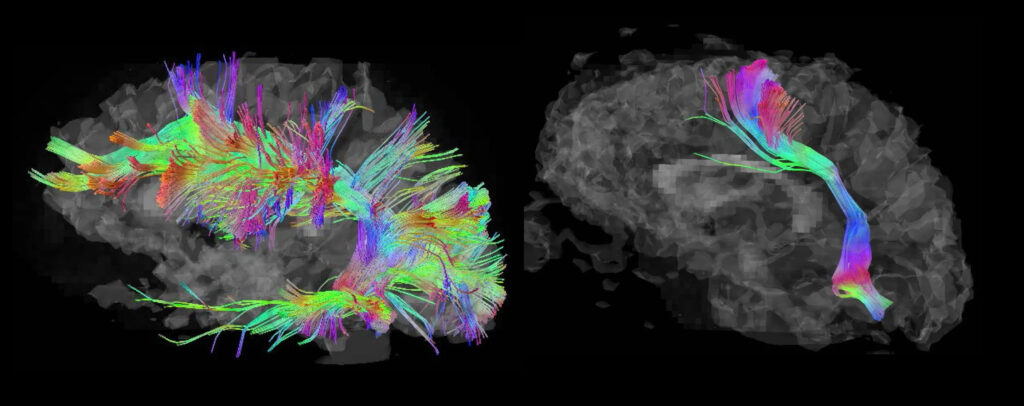
    Two brain scans. The one on the left is a rainbow web reaching into all areas of the brain. The image on the right is a rainbow ribbon traveling along the language center of the brain.
    Image Credit: schneider lab §

    These scans were taken while the participants were processing spoken language. The non autistic brain is using sensory modulation to focus on the speaker’s voice. While the autistic brain is taking in lots of additional information.

    This is why “exposure therapy” is not appropriate for neurodivergence.

    Our brains are simply working differently.

    Different isn’t bad.

    Even if some people want us to believe so.

    Brains with sensory processing differences can observe connections that others can’t. This is a unique skill set to bring to problem solving, art, science, and activism.

    The world needs neurodivergent brains.

    And we all need to better understand them.

    That’s why I teamed up with Gracie Klumpp to co-create a picture book about neurodivergence and sensory modulation. This is the book we wish that we’d had as autistic kids.

    Cover Reveal!

    We’re so excited to reveal the cover design and open preorders for paperbacks!

    We’re in the final stages of copy editing and proofing and can’t wait to share this with you. Books will arrive this summer!
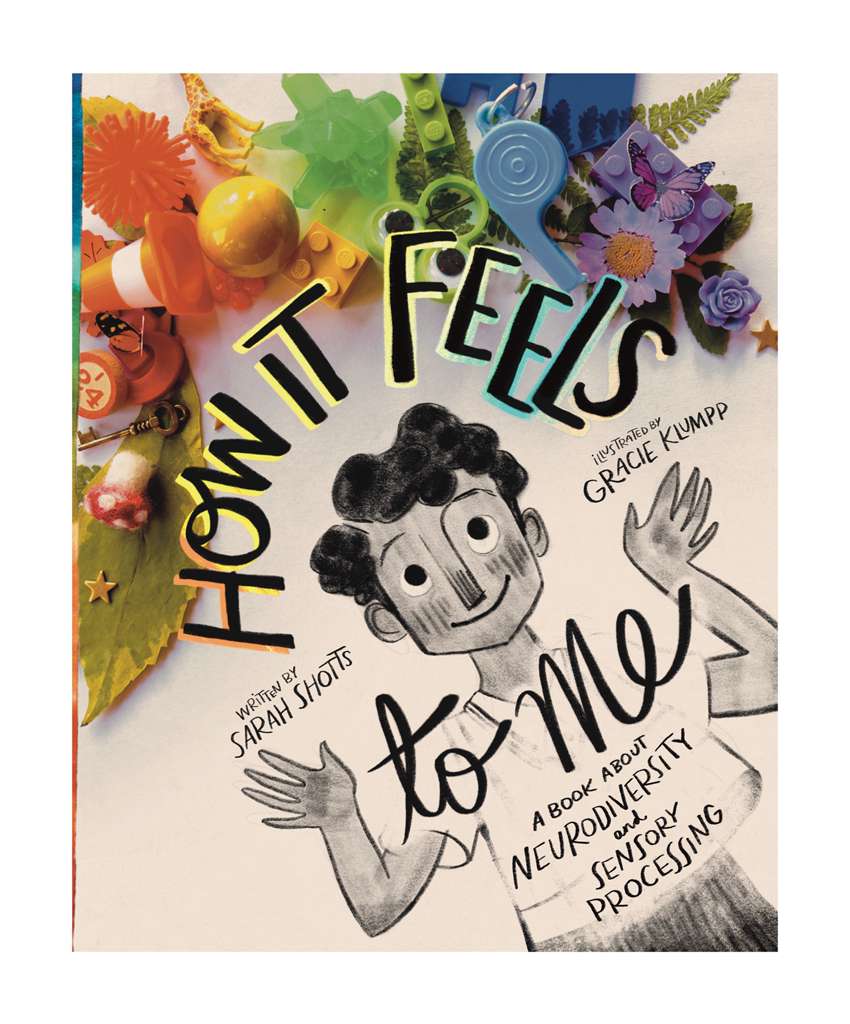
    How it Feels to Me book cover by Sarah Shotts and Gracie Klumpp. Shows a child with hands raised and a rainbow collage of objects shown above.

    I’ve had a lot of messages tentatively asked me if this book could also help adults.

    So let me say it loud and clear… YES!

    We believe picture books are for everyone and welcome readers of ALL AGES.

    Support needs are not something you outgrow.

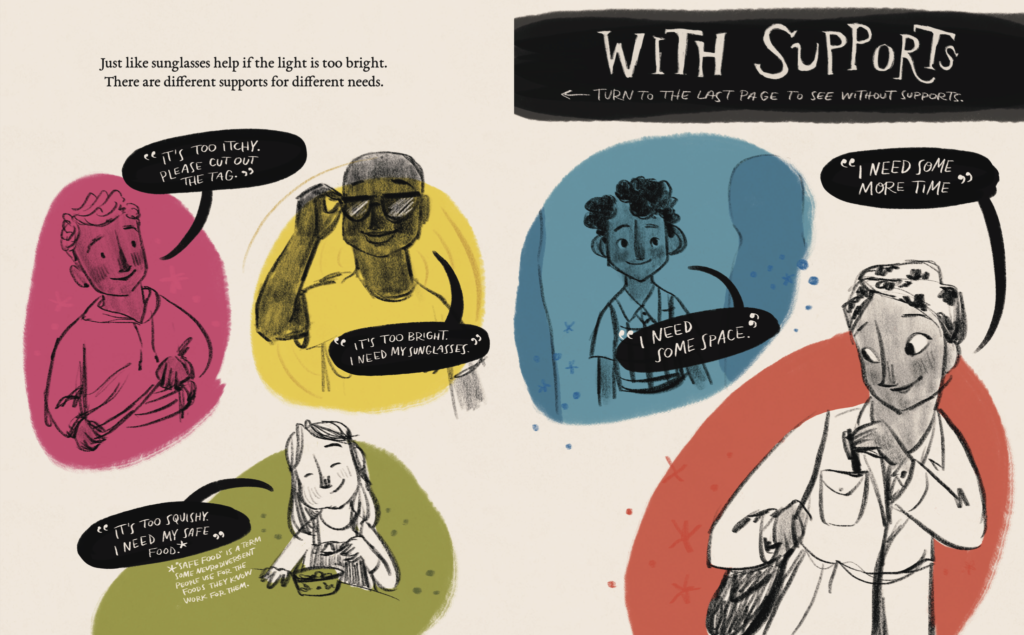
    This is something Gracie indicates beautifully by including adults, teens, and children in the illustrations.
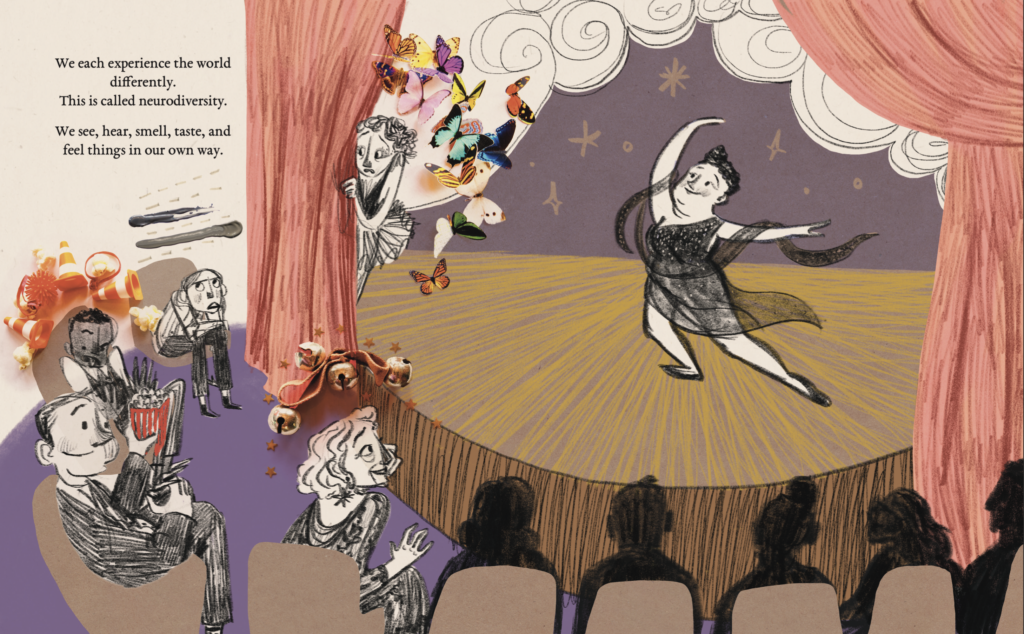
    A plus sized adult dances onstage while another peeks out from backstage surrounded by a collage of butterflies. The text reads: We each experience the world differently. This is called neurodiversity. We each see, hear, smell, taste, and feel things in our own way.
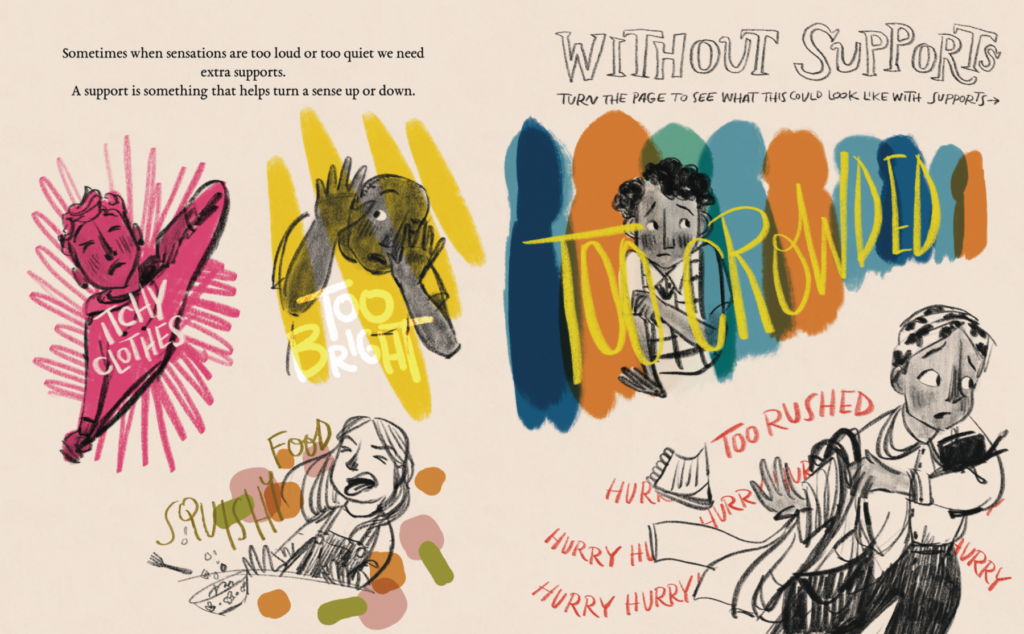
    This spread shows sensory supports like sunglasses, safe foods, extra space, removing clothing tags, and extra time.

    If you’d like to support the project you can also donate a copy and we’ll find your book a home (like a library, school, or with a neurodivergent family.)

    Illustrated spread featuring a rainbow infinity symbol and characters who appear to be scientist, artist, astronaut and comedian.

    Seeking blurbs.

    We want to partner with educators, writers, occupational therapists, speech therapists, neurodivergent adults, and affirming mental health professionals to read the book and consider writing a blurb (a short quote) for marketing materials.

    I’m also in the early stages of building a launch team to help spread the word.

    If you’re interested (or know someone who might be) send me an email.

    Much love to everyone who has supported the project so far.

    We appreciate you.
    Sarah signed with a swoopy S

    P.S. I have a whole library of resources about autism and neurodivergence.

    There are blog posts, podcasts, and visuals like this sensory overload video.


    footnotes

    § Brain Scan images via Schneider Lab
    Read more: Do you hear that lightbulb buzzing? 😣
  • How do you illustrate neurodivergence?

    I’m back this week with an update on the picture book How it Feels to Me. This is a book about neurodivergence and sensory processing I’m co-creating with illustrator Gracie Klumpp.

    It’s fully crowdfunded and coming out later this year!

    Last year we ran into some challenges due to substandard quality of our first proof. Ultimately we had to explore alternatives and change printers. Every printer offered slightly different “trim” sizes which meant this process delayed finalizing the illustrations.

    Now that we’ve chosen a printer we’re back on track and the illustrations are nearly complete. Later this month we’ll order the next proof and send the text to our copy editor and beta readers!

    Here’s a peek to share how it’s coming along…

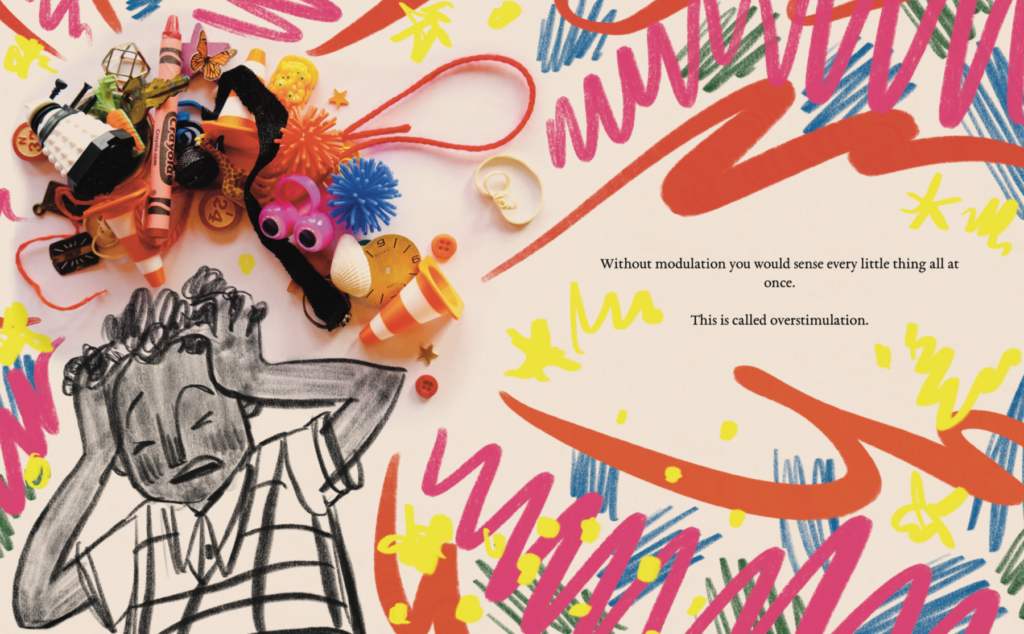
    Illustrated figure with hands on head and eyes closed in distressed surrounded by a halo of photographed objects (including googly eyes, caution cone, and dalek) and wave lines to indicate overstimulation.

    It’s completely magical to see my words come to life in this way!

    Gracie’s using a cool combination of illustrated and photographed elements to visualize the concepts in this book.

    We both see this as the book we wish we’d had as kids and hope it will help autistic and neurodivergent folks of all ages!

    We’re running a little over budget (because of rising costs and changing printers).

    If you’d like to help us bridge the financial deficit you can do so here.

    Or you can preorder or donate a book!

    Illustrated spread featuring a rainbow infinity symbol and characters who appear to be scientist, artist, astronaut and comedian.

    Thanks to everyone who supported this project by preordering or donating books. I’m so excited to see this book out in the wild helping people!

    Cheers,

    Sarah signed with a swoopy S

    P.S. New here? You can browse my Neurodiversity Affirming Resource Library for blog posts, podcasts, and videos about autism & neurodivergence.

    Read more: How do you illustrate neurodivergence?
  • Neurodiversity Affirming Resource Library

    This resource library focuses on autism, ADHD, and hypersensitivity as these are my lived experience.* This area of research has been a passion of mine for nearly a decade. I’ll do my best to organize things so you can find what is helpful to you.


    Not sure what neurodivergence is?

    Start here.


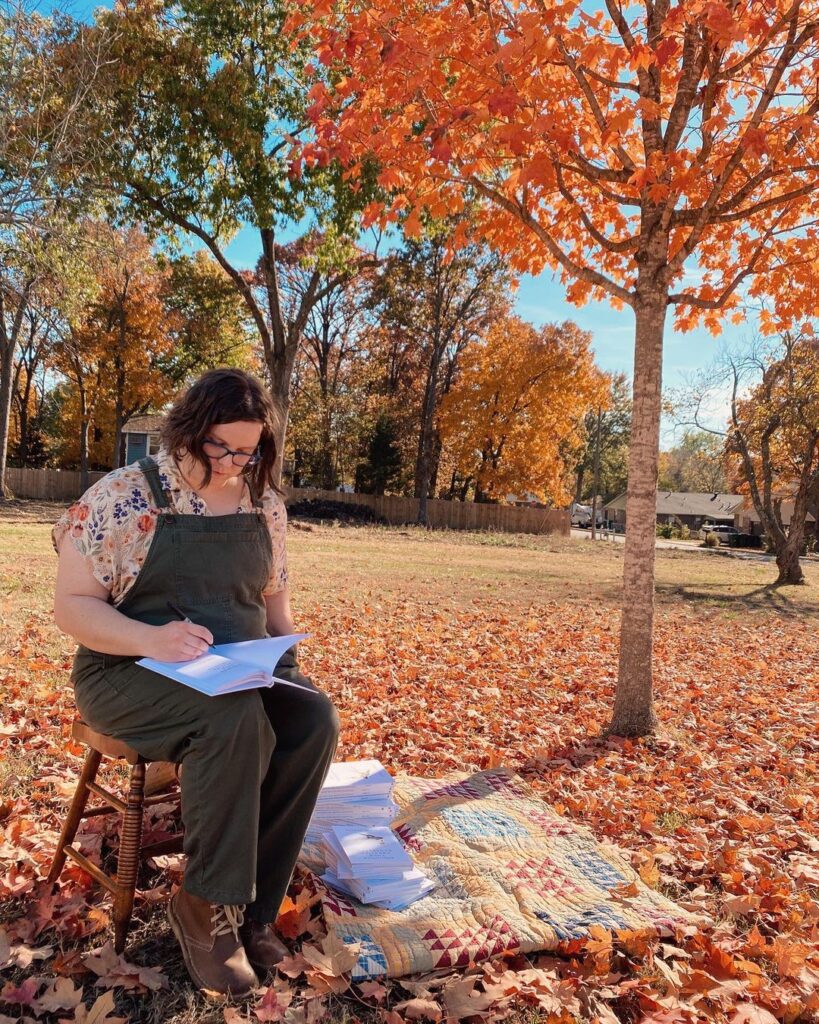
    I am wearing overalls singing books. I'm sitting under a maple tree next to a pile of books on a quilt.

    Hi, I’m Sarah Shotts. A late diagnosed autistic adult, author, artist, home educator, and erstwhile academic. Over the last several years I’ve been doing self directed research and collecting resources to better understand myself and my neurodivergent family. To learn more about me and my work click here.


    Choose your adventure.

    Drawing of brain with colorful paint splatters over the top
    resources FOR PARENTS
    Watercolor illustration of the autism spectrum. A rainbow of colors blending into one another like a color wheel.
    resources for autistic adults

    What is Overstimulation?

    I made this video to share my experience of overstimulation.

    I also find that my autistic traits are almost always rooted in sensory differences. So this a helpful place to start when discussing autism. Overstimulation can also be experienced by ADHDers.

    (There’s also a shorter 30 second version here.)

    “On the Spectrum”

    When we talk about autism or neurodivergence we often mention a spectrum. Sometimes this is misunderstood as a range of intensity from “more” to “less.” But you cannot be “more” or “less” autistic or neurodivergent.

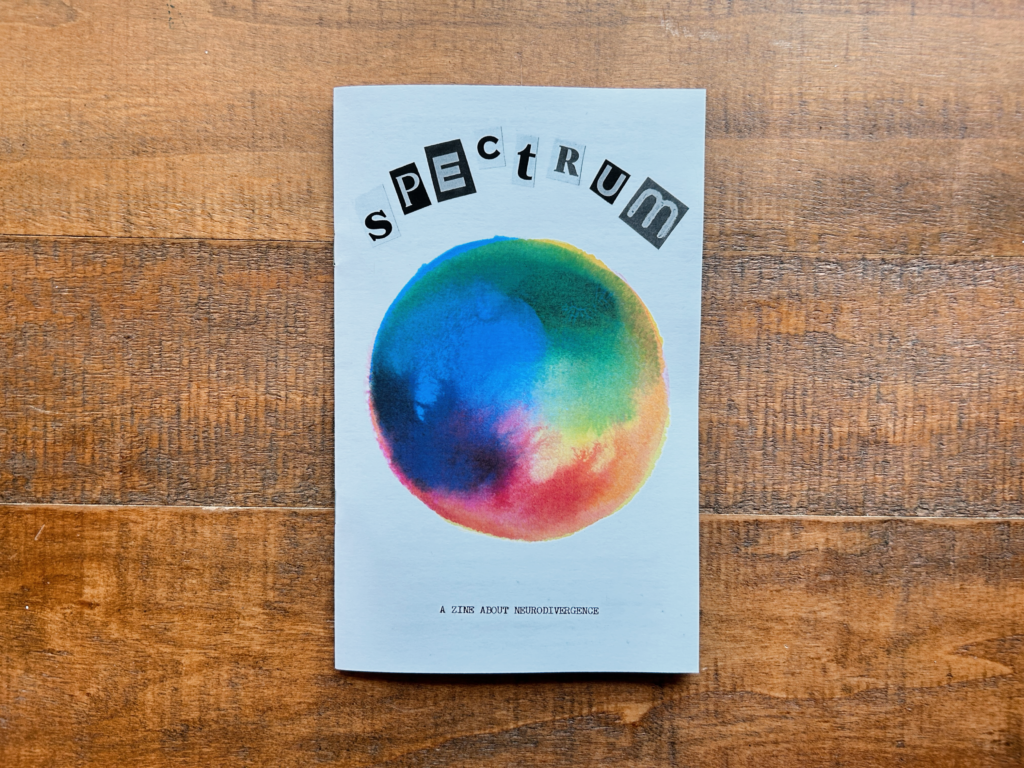
    I made a zine to illustrate the complexity and nuance of being “on the spectrum.” You can read it here.

    Spectrum: a zine about neurodivergence. Paper zine with magazine cutout letters and a watercolor spectrum with a rainbow of colors blending into one another.

    How it Feels to Me

    You may also enjoy the picture book I’m co-creating with an autistic illustrator Gracie Klumpp. How it Feels to Me is an introduction to sensory processing for readers of all ages.

    How it Feels to Me: a book about neurodiversity and sensory processing written by Sarah Shotts and illustrated by Gracie Klumpp. Book covers shows a, illustrated child with hands raised and a rainbow collage of objects shown above.

    FOOTNOTES

    * I have been professionally diagnosed with autism, but also have traits of ADHD such as time blindness and difficulties with object constancy. Having knowledge of these traits and functional coping strategies I have no interest in pursuing an ADHD diagnosis at this time.

    Read more: Neurodiversity Affirming Resource Library
  • How it Feels to Me

    How it Feels to Me is a picture book about neurodiversity for all ages. 

    This book explores the science behind how we each experience the world. Readers will learn about differences in sensory experiences and better understand themselves and others. This book is written and illustrated by two autistic creators making the book they wish they’d had growing up.

    Concept art for how it feels to me

    Learn more…

    This self published book is fully funded and in the proofing stage. If you’d like to know more about the inspiration behind this project you can watch our crowdfunding video here.

    Support the project by preordering a limited edition hardcover.

    Or choose to donate a copy to a school, library, or a neurodivergent family in financial hardship.

    Meet Sarah & Gracie

    I am wearing overalls singing books. I'm sitting under a maple tree next to a pile of books on a quilt.

    Sarah Shotts (author) is an autistic interdisciplinary artist and author of Discover Your Creative Ecosystem. Their writing has also been published in Ought: The Journal of Autistic Culture. Sarah earned a Masters degree in Applied Drama from Goldsmiths University of London and a bachelors in Fine and Performing Arts at Mississippi University for Women (MUW.)

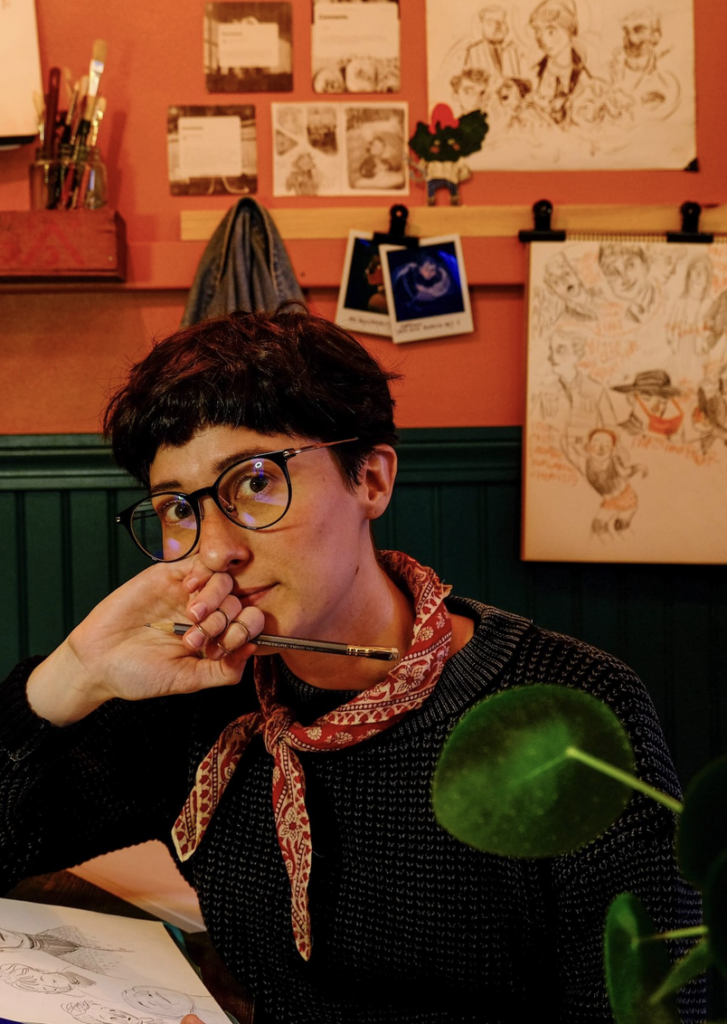
    Gracie has short dark hair and glasses and is wearing a bandana and holding a paintbrush.

    Gracie Klumpp (illustrator) Gracie is an autistic illustrator and writer who lives in an old Airstream, and never runs out of stories. She’s not always the best at talking about them—but that’s why she’s always creating them. Gracie studied Digital Media Arts: Animation at Huntington University, and has used her animation chops to inform her illustration work since graduating. Gracie makes storytelling magic in all sorts of mediums, and doesn’t really mind which she uses so long as it serves the story best.


    Related Posts

    Read more: How it Feels to Me