Since then the world has become a much scarier place for me and for my friends in the queer community. I’ll share some resources at the bottom of this post for allies to lend their support this month.
But this post isn’t for the allies.
This one is for the queers.
I’m stepping out the comfort zone of educating others to revel in some queer joy.
This month I made a very playful and joyous zine. It celebrates queer artists whose work has impacted me in a profound way.
Here are links to everything I mentioned inside it.
I have a love hate relationship with the children’s museum. The exhibits are so cool and interactive. But the acoustics are difficult and when there are large groups of children it can quickly become very overstimulating.
This week we noticed a lot people seemed to be out of town on vacation. So we tried the science museum – only to find a large group of summer campers.
This creates a lot of sensory input.
Visually tracking darting children in bright matching t shirts
Auditory overload with overlapping screams and noises
Tactile overload from being brushed against and overheated
Social overwhelm from taking in the complex social dynamics in a large group
Because the overstimulation is whole body experience noise cancelling headphones alone don’t usually seem to help.
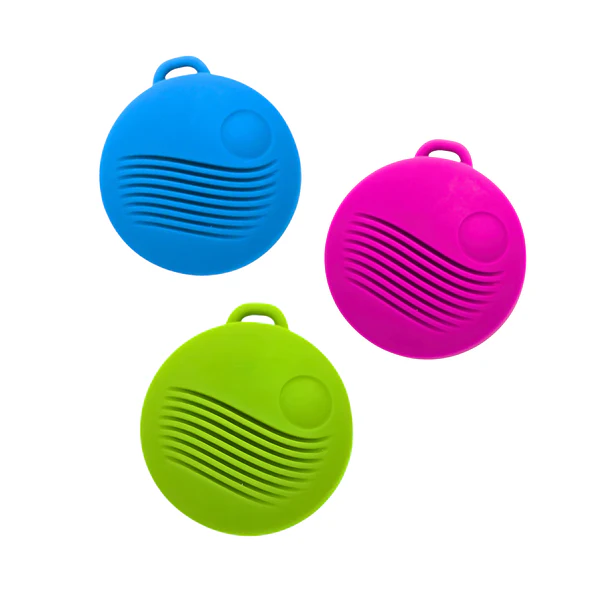
But last week a friend in Australia mailed me a Vibrant Hummingbird Sensory pendant created by a neurodivergent family to help regulate overstimulated nervous systems.
When I pressed the button I noticed an immediate calming effect on my nervous system.
But I also knew I was lucky to be holding it.
I spent weeks looking for a similar product in the US and couldn’t find one.
When I got home from the museum I emailed Vibrant Hummingbird asking if it would be possible to stock the sensory pendants for US customers on my author website. And they said yes! So…
I’m taking preorders on my website!
I don’t usually sell other people’s products, but I wanted more people to have access to this support tool. We hope this collaboration helps more people access Vibrant Hummingbird Pendants at an affordable cost.
“I wish it need not have happened in my time,” said Frodo.
“So do I,” said Gandalf, “and so do all who live to see such times. But that is not for them to decide. All we have to decide is what to do with the time that is given us.”
Sometimes the injustice and hurt in the world can feel unbearable. Mr. Roger’s famously said to, “look for the helpers.”
But, as adults, we also need to be the helpers.
We can’t single-handedly solve all of the world’s problems.
But we can collaborate with others to make a difference.
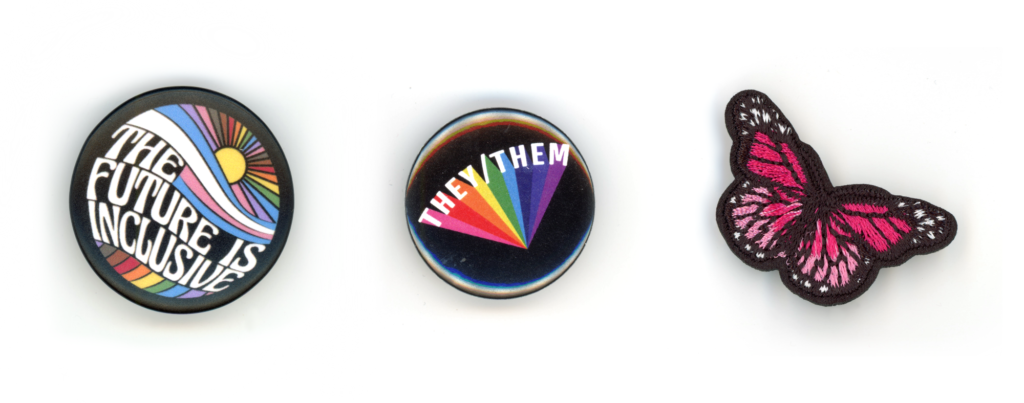
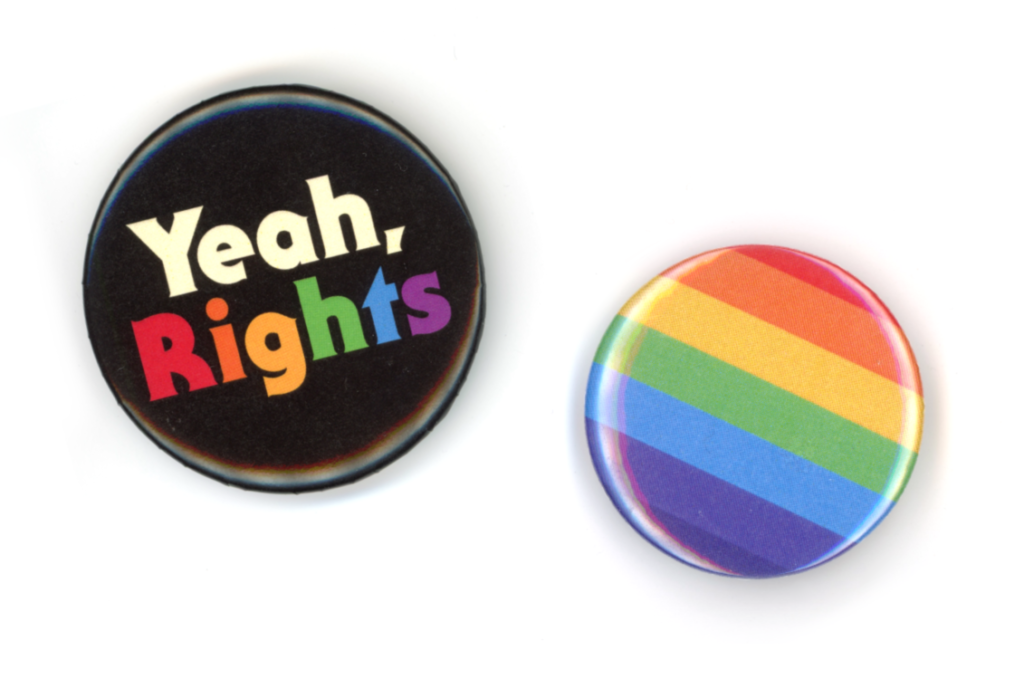
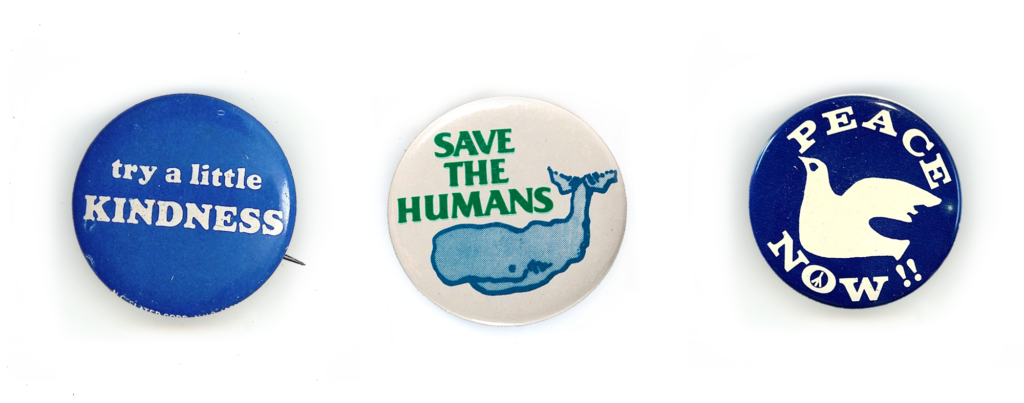
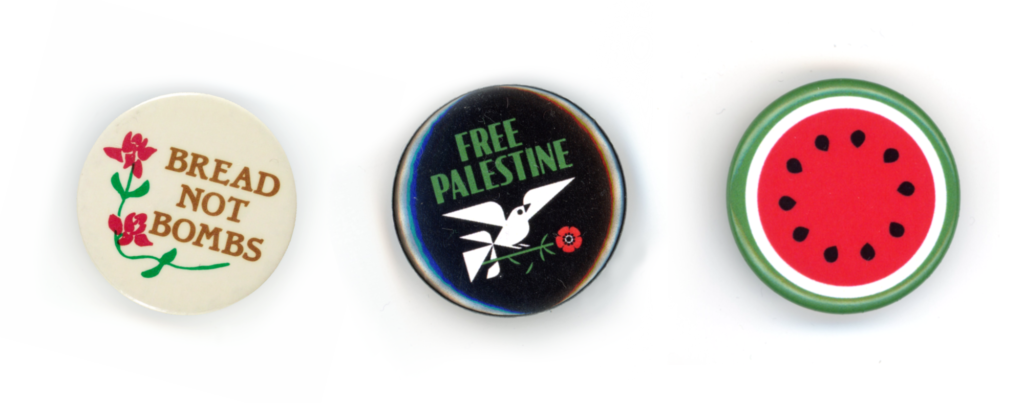
* The pins pictured are a combination of photographs from my personal collection and images of vintage protest pins found online. I’ve linked their sources here.
“Greetings from sultry, humid Indianapolis, where our garden is having its worst year ever. We replaced a bunch of soil this year, and the new dirt turned out to be inadequately acidic, so what plants have survived are struggling. In this respect, many of you may find my garden relatable—who among us has not felt that we were planted in slightly poisoned soil? But nonetheless, some of the fava beans and tomatoes are finding their way as my mom and I desperately try to fix the soil, make sure the plants get adequate water, and so on.
This is critical work we do for our vegetables, but it is also critical work we do for each other and the world. On tiny or large scales, we try to provide each other with adequate nutrition and water, and to improve the circumstances in which we grow. Of course, we may end up with a garden of withered plants despite our best efforts this year, but it’s still worth trying.
Hope is always justified, even if it isn’t always rewarded.”
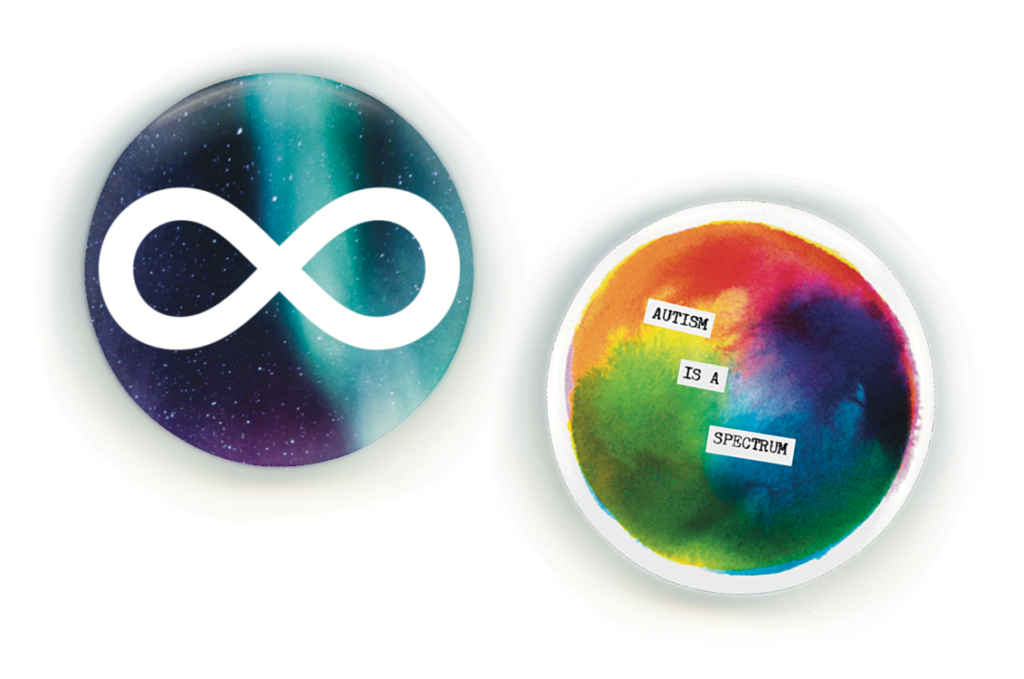
When we talk about autism or neurodivergence we often mention a spectrum. Sometimes this is misunderstood as a range of intensity from “more” to “less.”
But you cannot be “more” or “less” autistic or neurodivergent.
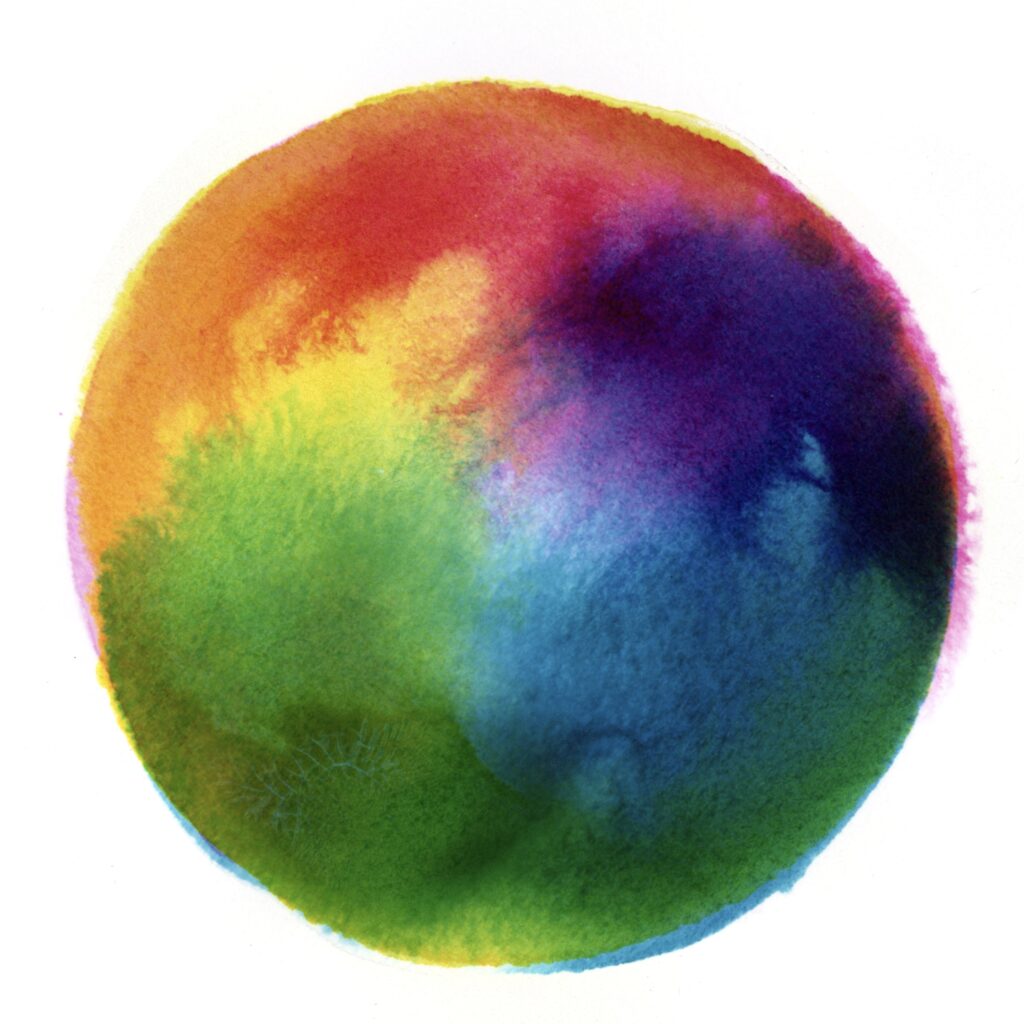
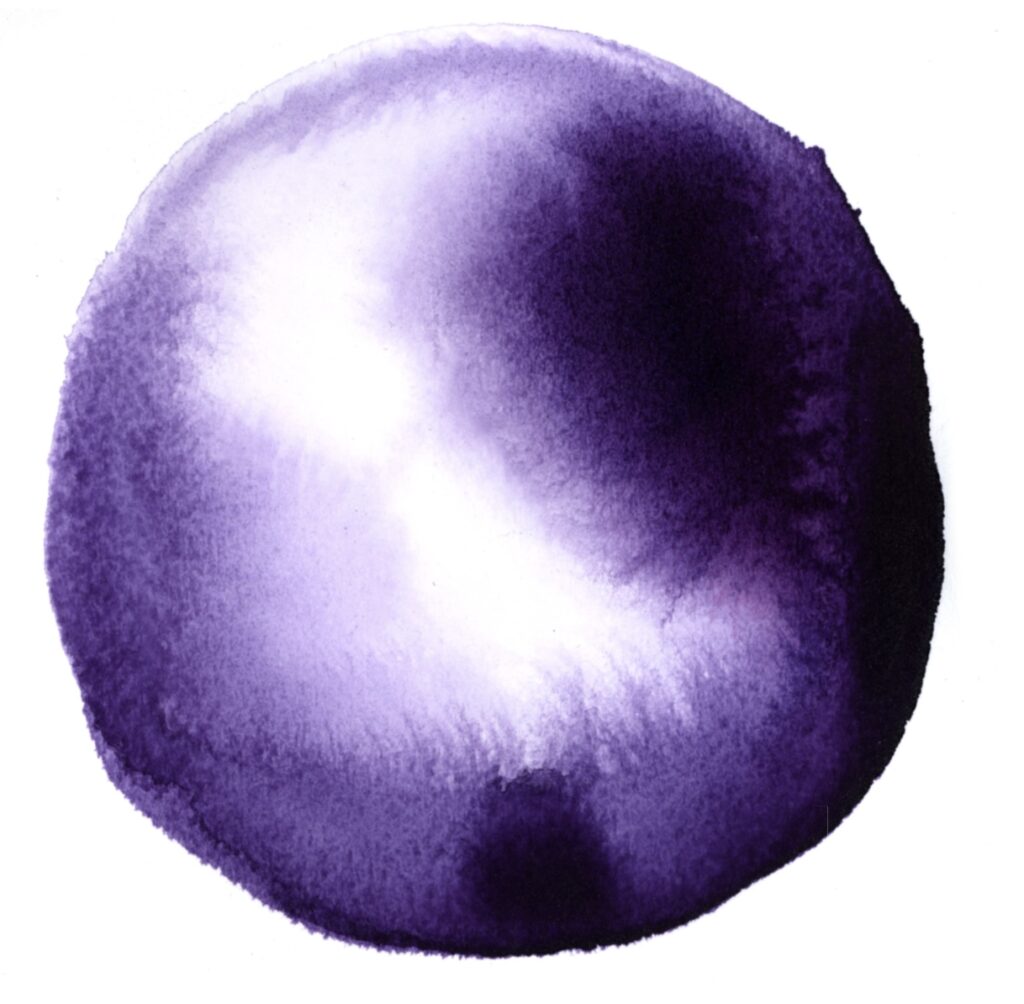
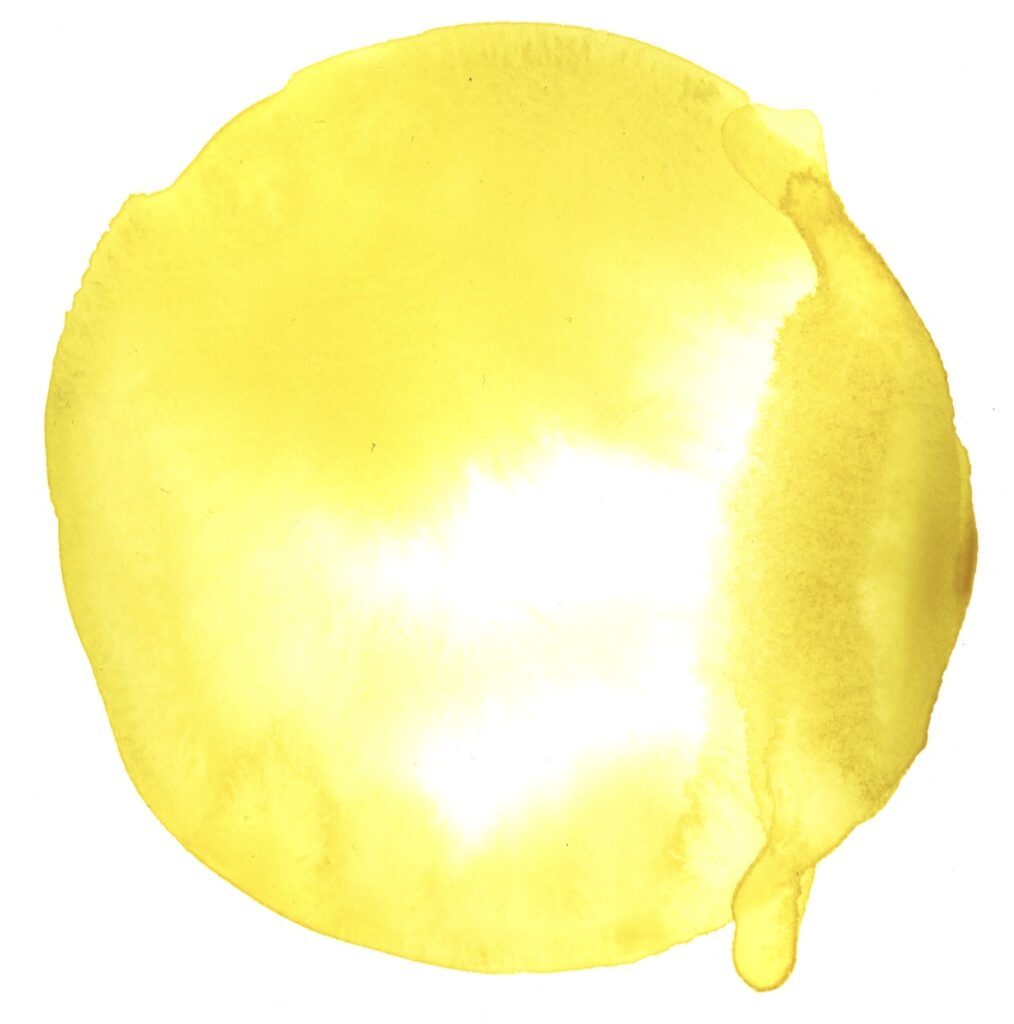
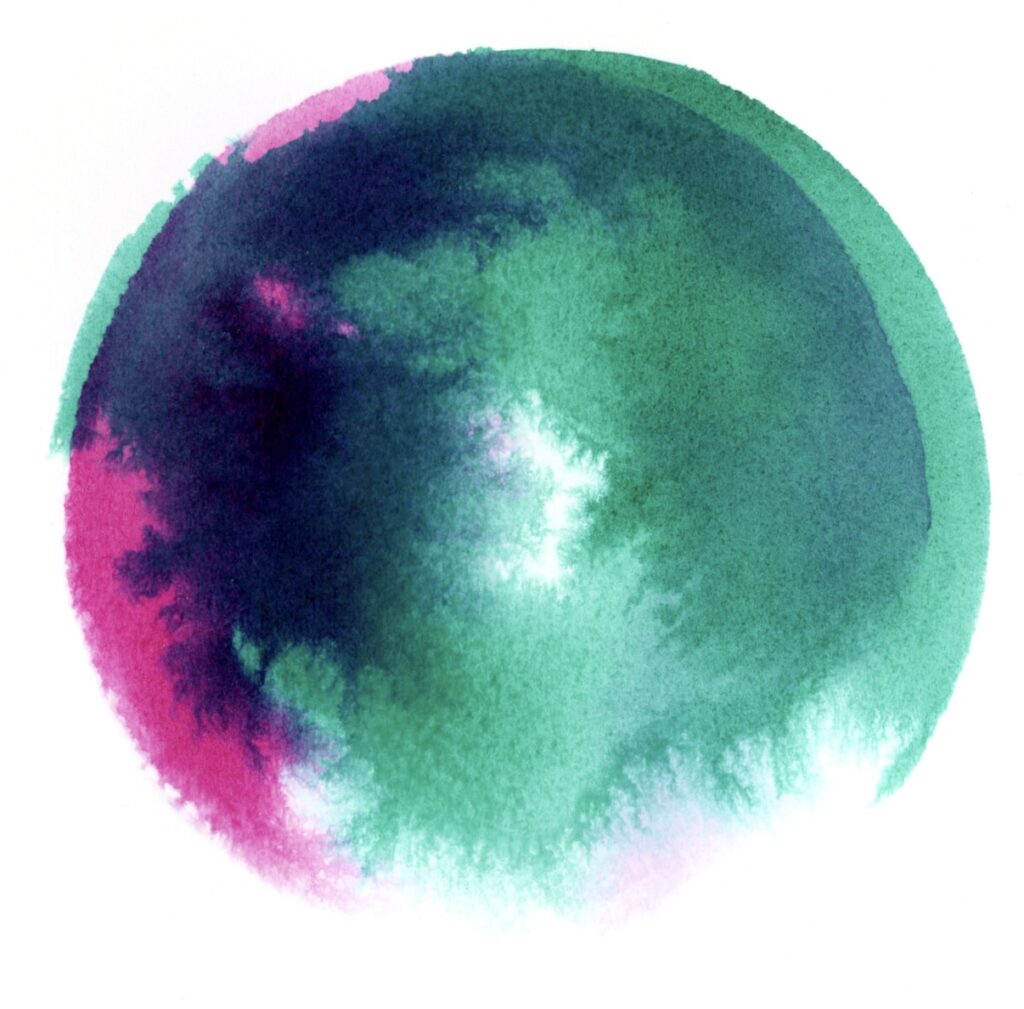
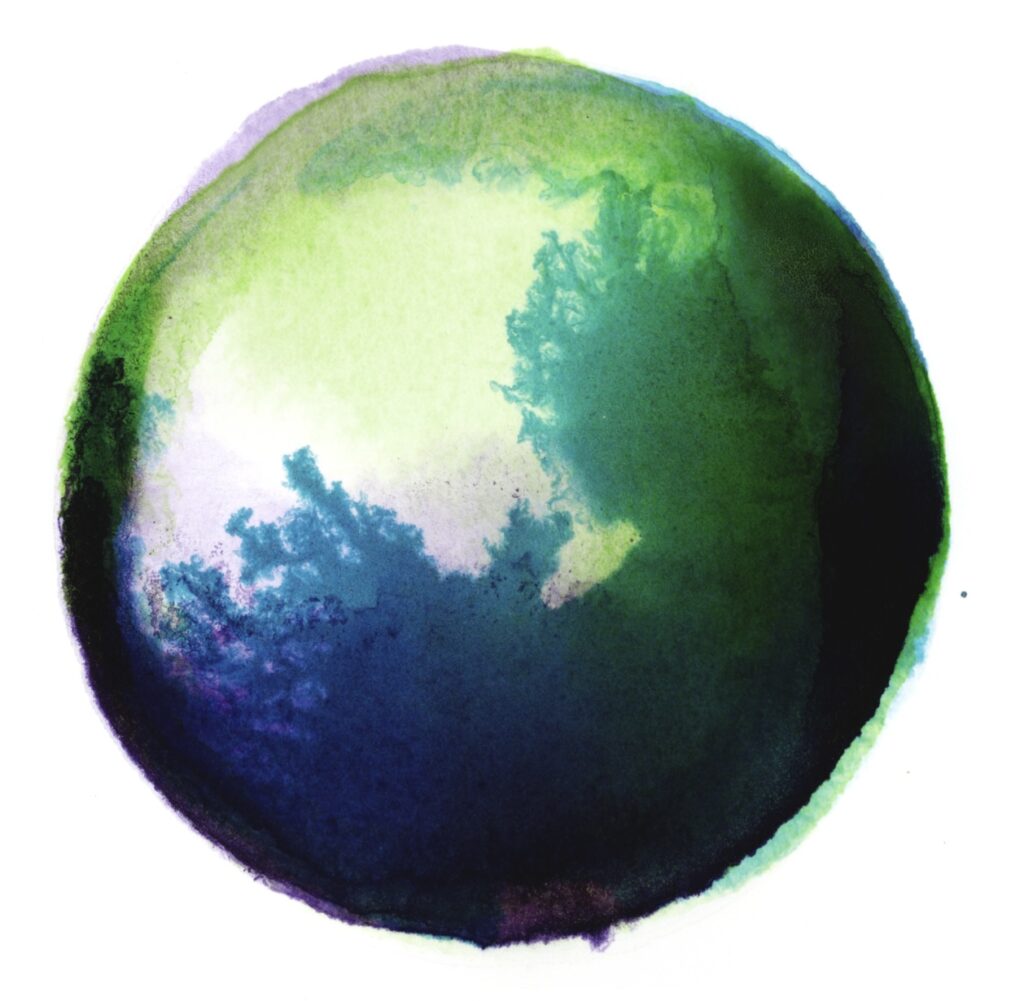
The spectrum is better represented by a color wheel.*
The spectrum is a reminder that every neurodivergent person is unique. Each color represents a neurodivergent trait: differences in sensory processing, language, socializing, focus, etc.
But even the color wheel is too static.
This is my attempt to illustrate the complexity and nuance of the spectrum of autism and neurodivergence.
For example, sometimes a person is described as sensory seeking or sensory avoidant.
Opposites on the color wheel.
But most of us are both.
Here is an example from my own spectrum. I experience water in my face as overstimulation… a sensation that, for me, is worse than physical pain. My nervous system completely floods with sensory input and enters a state of distress.
On the other hand, in the context of a warm bath I am “sensory seeking”. The feeling of being (almost) submerged in warm water calms my nervous system and helps me self regulate.
This is the same element.
Water.
But my internal experience is vastly different depending on the context. Supporting this sensitivity includes baths over showers, no sprinklers, pool splashing, or going underwater. When I interact with water on my own terms I find it deeply regulating and soothing.
Then we have a trait like focus. ADHD is often perceived as a deficit in the ability to focus (it’s right there in the name), but both people with autism and ADHD can experience hyperfocus.
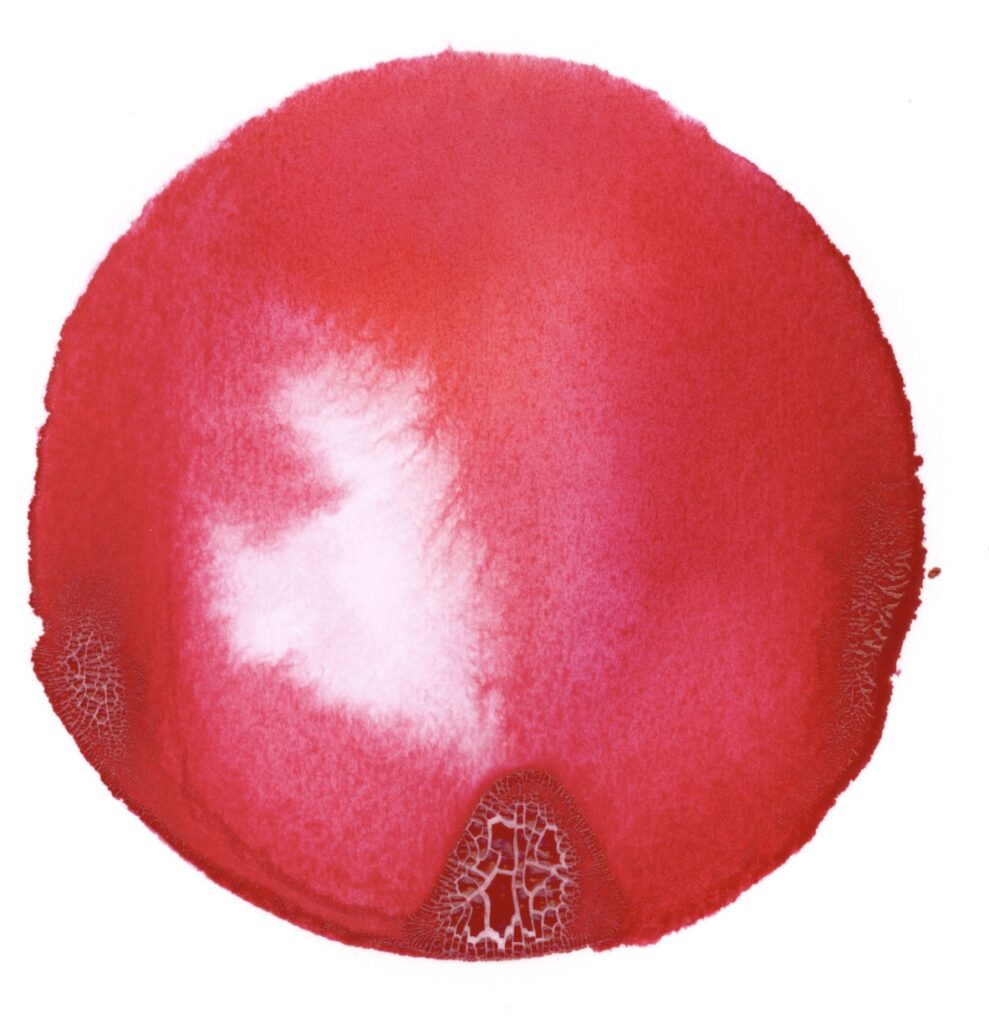
This circle represents my hyperfocus.
I often enter hyperfocus when I am in creative flow or engaged with topics I am passionate about. Yet, I cannot reach hyperfocus without the necessary environment or supports.
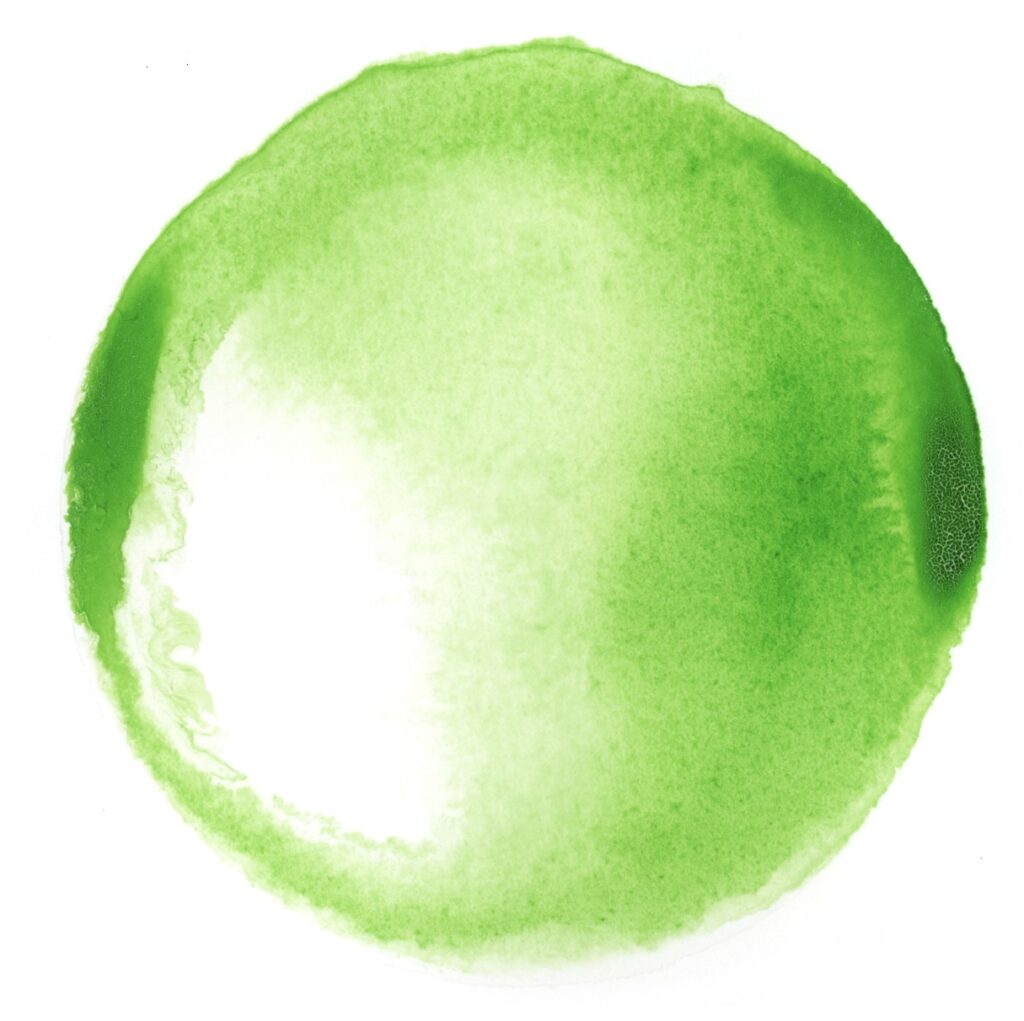
This circle represents my difficulty focusing.
My ideal environment for focus is quiet and solitude. (For others it could be music and company… or body doubling.)
When I don’t have that I need supports like: a swivel chair for stimming, noise cancelling headphones, and more time. Because without access to hyperfocus I have to accept that tasks take more time. I can also become dysregulated by working in an overstimulating environment.
The spectrum becomes infinitely more complex when different traits overlap and intersect.
Not only is every neurodivergent human unique, but our spectrums may present differently from day to day and moment to moment, based on a variety of internal and external factors.
Some spectrums of neurodivergence may not fit the criteria for a diagnosis, but that does not make them any less valid.
Our world is technicolor.
Let’s stop imagining it as black and white.
Grab some art supplies and reflect on neurodiversity as you play with color. If you are neurodivergent what colors would you assign each of your traits? If you’re neurotypical how can you use this framework to support the spectrums in your life?
Love snail mail?
These watercolor washes were originally created for the Spectrum zine for my monthly subscribers. If you’d like a printed copy you can:
“A polyculture is one of the easiest and most productive way of growing your own food. It is the opposite of a mono culture (which is one crop per growing space) and this diversity of plants increases biodiversity, soil health and yields, as well as reducing pest pressure and you don’t need a lot of space. 👍🌱
To sow a polyculture simply prepare any bed or growing container by top dressing it with a layer of organic compost and then around mid-to-late April (here in zone 9a) I just broadcast (or scatter) a diverse array of seed within it at the some time that produce at different points throughout the season.
I’m sowing: Rocket, which will produce first, Mixed lettuce, which will be harvested second, then Rainbow chard, spring onion, beetroot, parsley and carrots, and later in the season the Chicory (Radicchio) and parsnips will be ready to harvest. 🥕🧅🥬”