From the Compost Heap header. A pencil style illustration of a compost heap with flowers and plants growing around it. A bee buzzes by and a white rabbit hops by.
  • Don’t skip this one. 🌻

    I have an important update today.

    But first, a peek inside my mental drafts folder…

    • 10 Years Post Autism Diagnosis
    • Finding Your Why (probably a zine)
    • Dynamic Disability (& new chronic illness diagnosis)
    • Embracing Supports (maybe a zine)
    • Discovering my Fiction Writing Process

    But I’m skipping over all of that for a time sensitive PSA.


    Tylenol does not cause autism.


    Big mistake.

    I logged back into Instagram after 8 months away.

    I couldn’t have chosen a worse time to do so.*

    Instagram (at least the current iteration) is dangerous to my mental health. What used to be a light hearted photo sharing app has now turned into another algorithmic dumpster fire.

    I tried everything.

    I blocked accounts, “curated” my feed, and did my best to train the algorithm. Near the end I even downloaded a social media blocking app to limit my usage to midday.

    I was already struggling.

    Then the autism news hit.

    Nope. I can’t be here. I’m out.

    I naively imagined that the next generation of autistics could grow up with less stigma. To know who they are and unabashedly ask for support.

    To see that progress purposefully eroded is gutting.

    My nervous system simply cannot handle the horrors and catastrophizing on endless algorithmic remix.

    And it’s not just autistics under attack. Every marginalized group is in real crisis right now. Science and education have been defunded.

    There is a new fresh horror every day.

    An embroidery frame holds a cross stitch that reads "I'm Fine". A second image shows the reverse which is a tangled mess of navy blue thread.
    Read I’m Fine – a digitized zine about self regulation & advocacy

    It’s easy to feel helpless when the world is on fire.

    That is what they want.

    But I’m not having it.

    Let’s self regulate and take one positive action.

    Together.


    My Action Steps

    Here’s what I can do.

    • Be autistic in public.
    • Model nervous system support for my fellow neurodivergent folks (and sensitive souls who may not even realize they are neurodivergent.)
    • Continue creating resources that educate about the autistic experience.
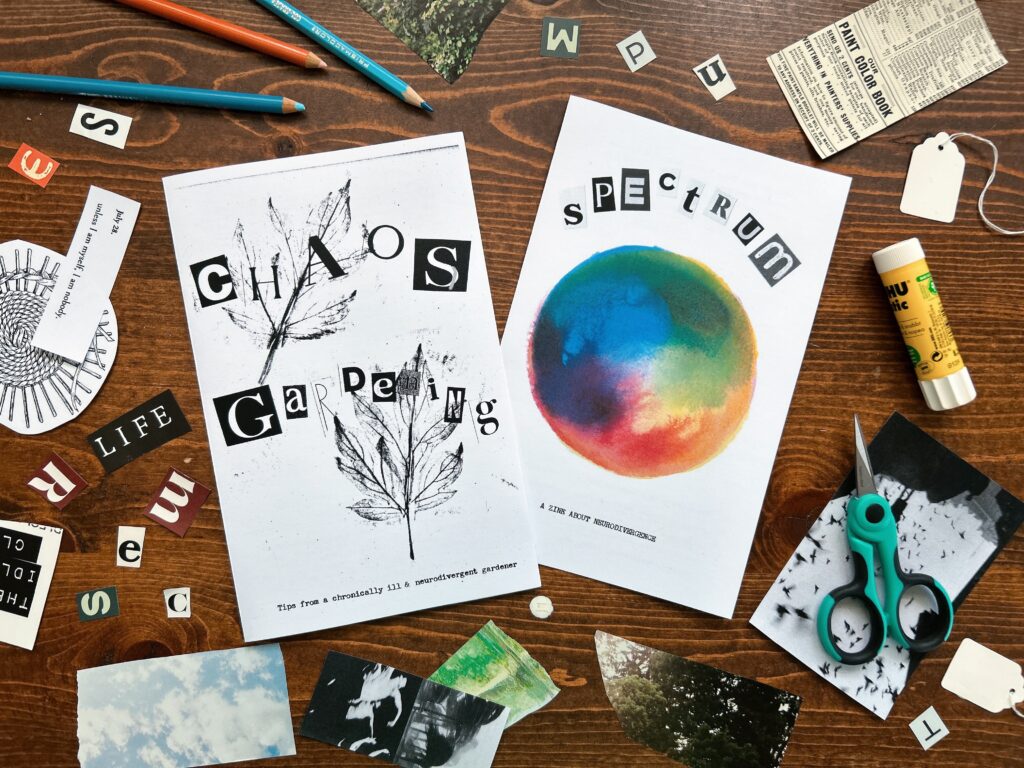
    My zine making area with Spectrum and Chaos Gardening zines, paper cutter, and watercolor wash circles.

    Your Action Steps

    If you want to be an ally here are ways to help.

    Choose 1 or 2.

    • Speak up when you hear misinformation and harmful rhetoric.
    • Share my Spectrum blog post or zine.
    • Contact your representatives. Tell them autism is not a disease to be cured.
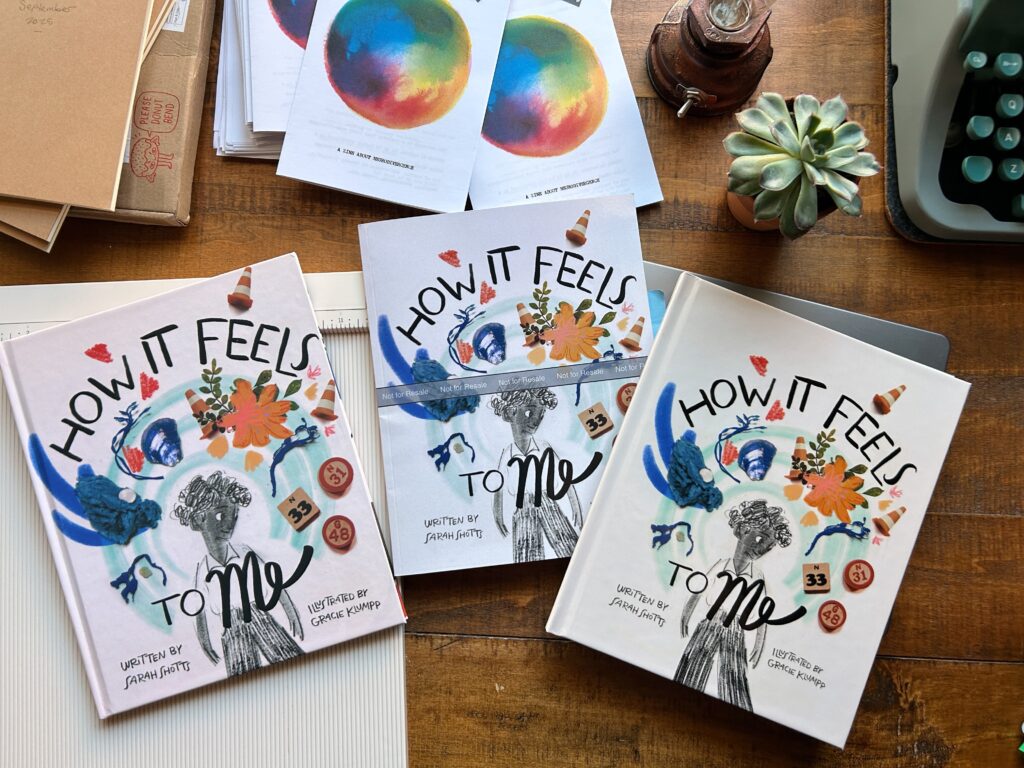
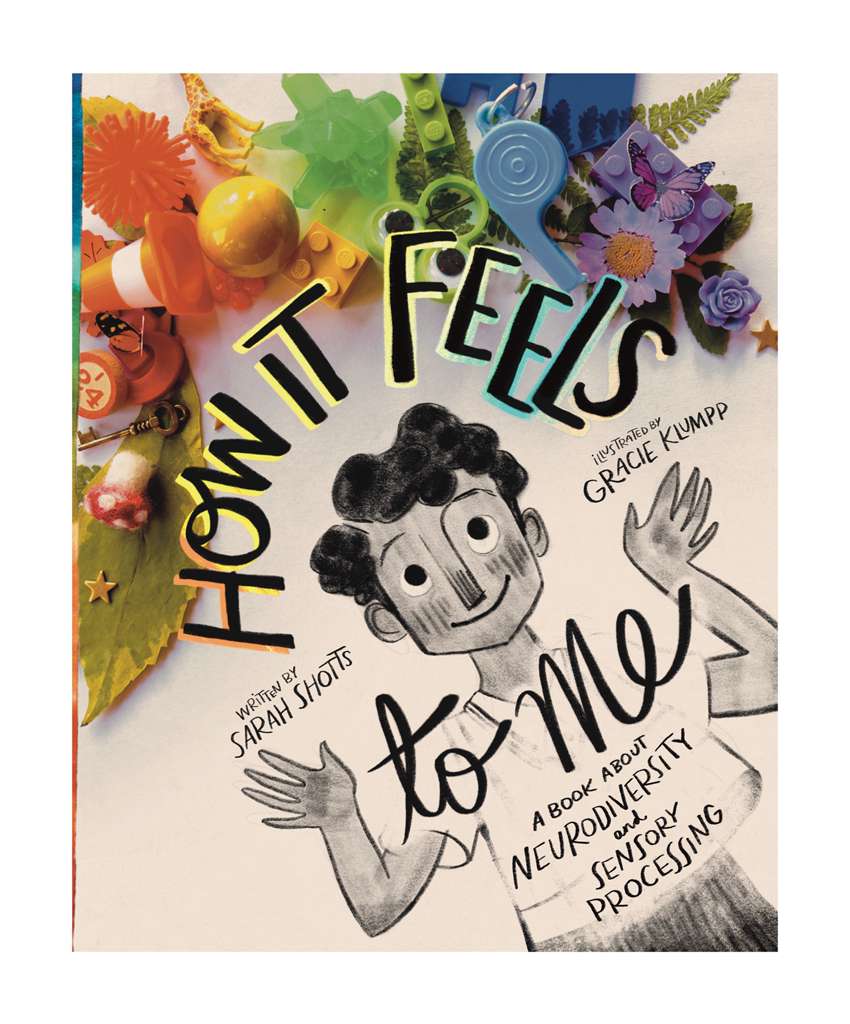
    • Preorder How it Feels to Me (a picture book about sensory processing.) This is a crowdfunded project I am creating with autistic illustrator Gracie Klumpp.
    Three proofs of How it Feels to Me with a hand drawn figure surrounded by a halo of colorful objects. My typewriter, a succulent, and a stack of Spectrum zines are also visible.

    We just got a new set of proofs and are feeling very excited about next steps. After changing book binders we are a bit over budget – so if you preorder now it will be a big help.

    If you don’t need a book yourself you can also choose to donate your copy and we’ll be sure it gets to someone who needs it.


    I’m feeling particularly vulnerable this week.

    If this email resonated I’d appreciate hearing from you.

    Take Care,

    Sarah signed with a swoopy S

    FOOTNOTES

    * Why did I do this? Because I met some cool people at the NWA Maker’s Faire and thought maybe I should try and better follow local creative events.

    Read more: Don’t skip this one. 🌻
  • “On the Spectrum”

    When we talk about autism or neurodivergence we often mention a spectrum. Sometimes this is misunderstood as a range of intensity from “more” to “less.”

    Gradient fading from pink to white

    But you cannot be “more” or “less” autistic or neurodivergent.

    The spectrum is better represented by a color wheel.*

    Digital color wheel with gradients of all colors fading into each other in a circle.

    The spectrum is a reminder that every neurodivergent person is unique. Each color represents a neurodivergent trait: differences in sensory processing, language, socializing, focus, etc.

    But even the color wheel is too static.

    This is my attempt to illustrate the complexity and nuance of the spectrum of autism and neurodivergence.

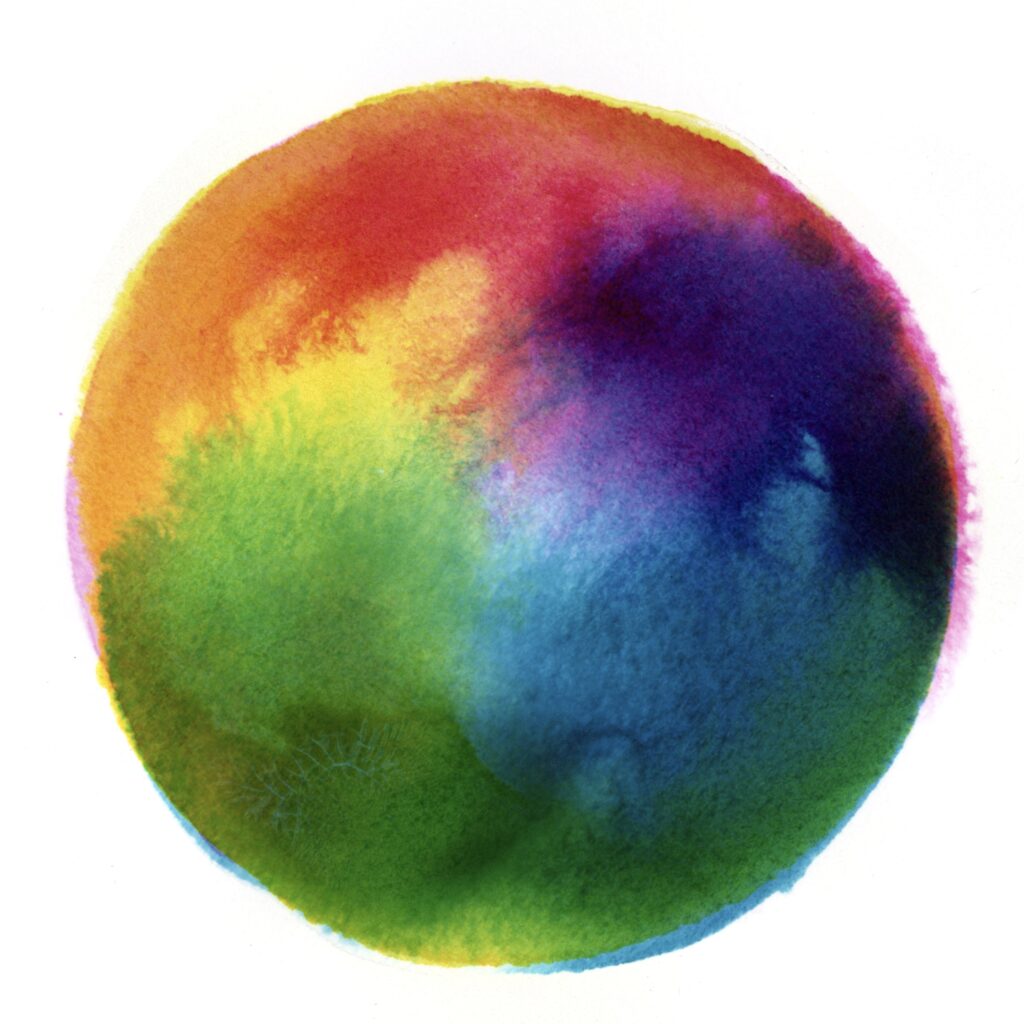
    Watercolor illustration of the autism spectrum. A rainbow of colors blending into one another like a color wheel.

    For example, sometimes a person is described as sensory seeking or sensory avoidant.

    Opposites on the color wheel.

    But most of us are both.

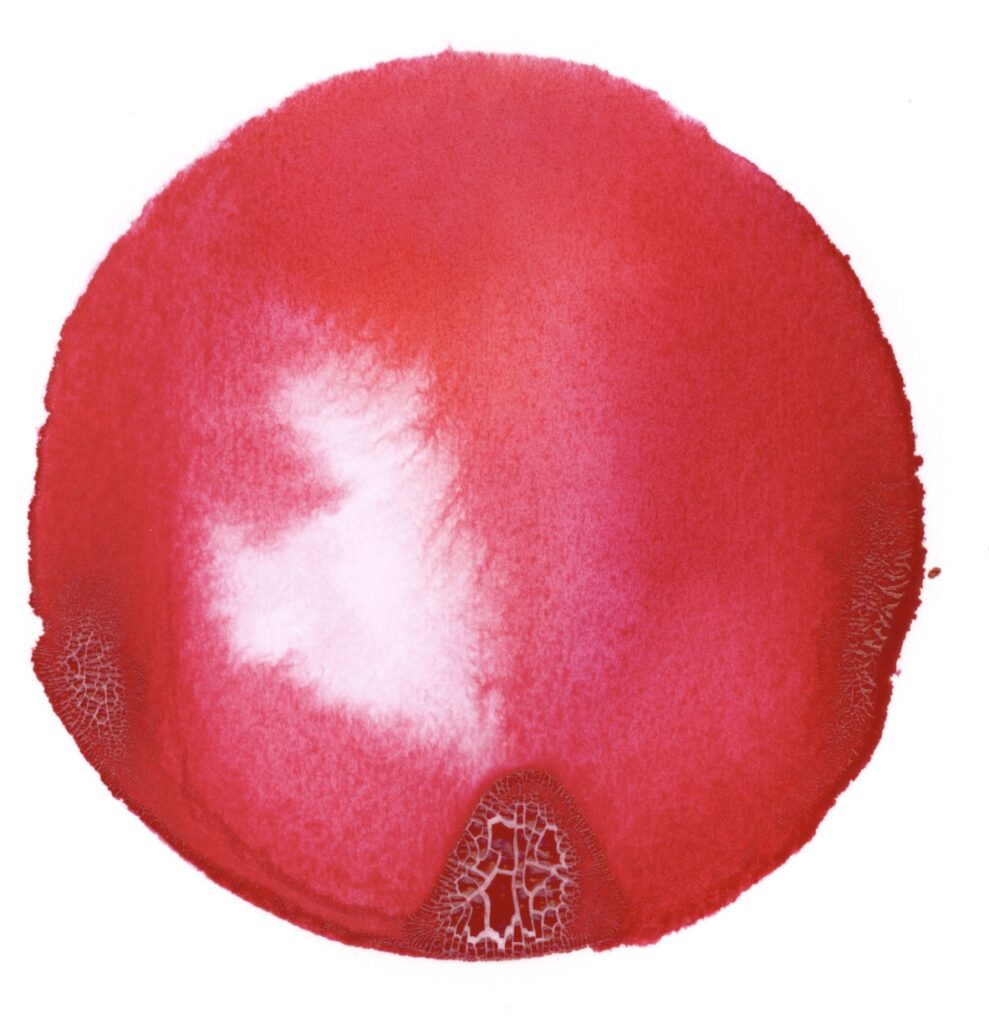
    Here is an example from my own spectrum. I experience water in my face as overstimulation… a sensation that, for me, is worse than physical pain. My nervous system completely floods with sensory input and enters a state of distress.

    Bright red ink wash in a red circle with a small pink area near the center where red bleeds into white. There is also a cracked area where too much ink pooled in one place.

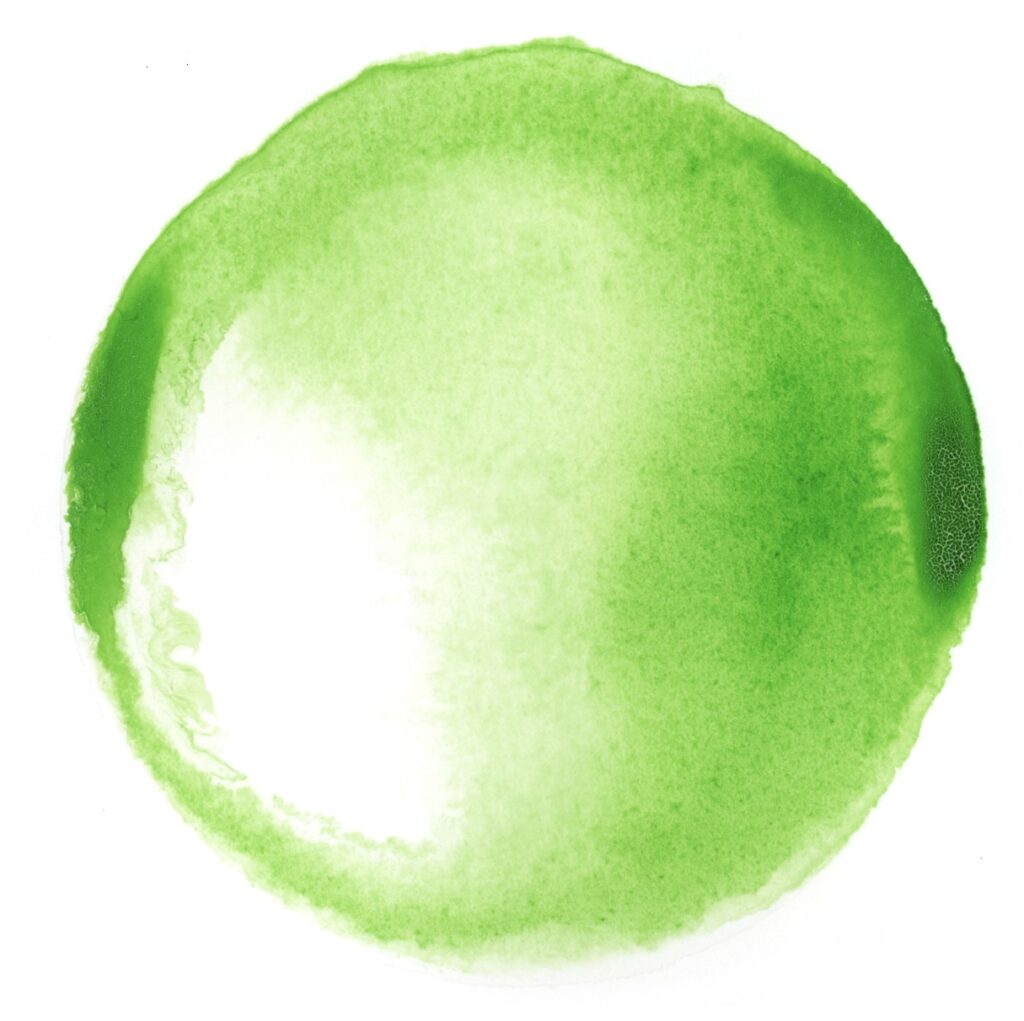
    On the other hand, in the context of a warm bath I am “sensory seeking”. The feeling of being (almost) submerged in warm water calms my nervous system and helps me self regulate.

    Bright green ink wash in a circle darker on edges and fading to white left of center.

    This is the same element.

    Water.

    But my internal experience is vastly different depending on the context. Supporting this sensitivity includes baths over showers, no sprinklers, pool splashing, or going underwater. When I interact with water on my own terms I find it deeply regulating and soothing.

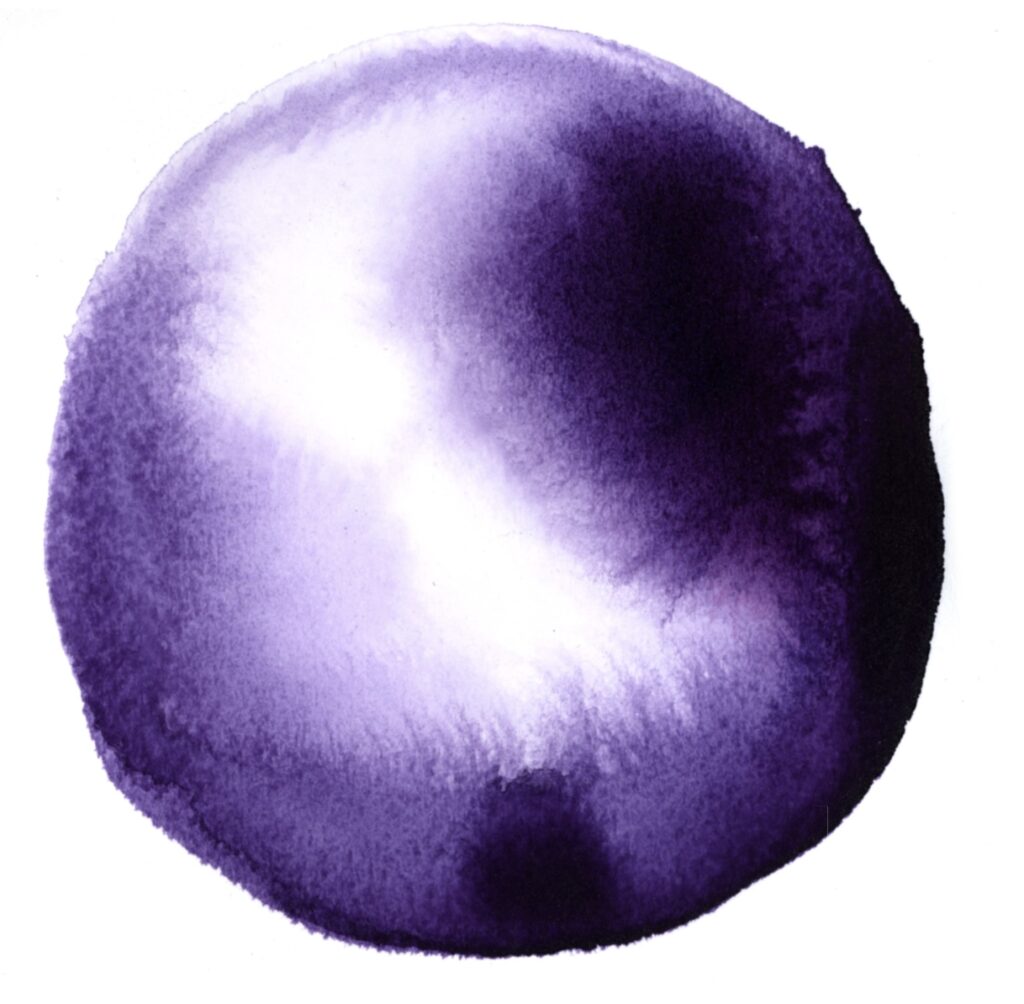
    Then we have a trait like focus. ADHD is often perceived as a deficit in the ability to focus (it’s right there in the name), but both people with autism and ADHD can experience hyperfocus.

    This circle represents my hyperfocus.

    Deep purple ink wash in the shape of a circle bleeding to white in an irregular shape toward the center.

    I often enter hyperfocus when I am in creative flow or engaged with topics I am passionate about. Yet, I cannot reach hyperfocus without the necessary environment or supports.

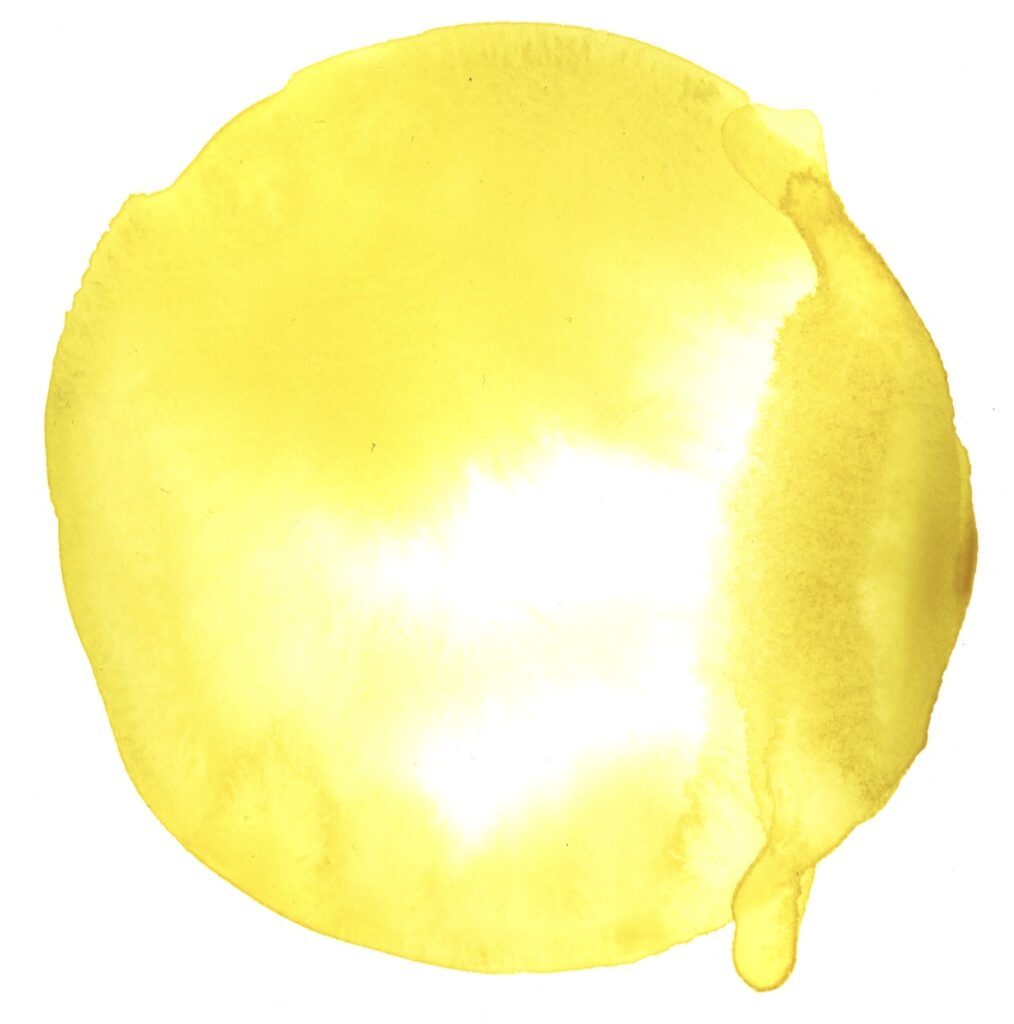
    This circle represents my difficulty focusing.

    Bright yellow ink wash circle with drip bleeding off bottom edge and very little white in an irregular shape toward the right middle.

    My ideal environment for focus is quiet and solitude. (For others it could be music and company… or body doubling.)

    When I don’t have that I need supports like: a swivel chair for stimming, noise cancelling headphones, and more time. Because without access to hyperfocus I have to accept that tasks take more time. I can also become dysregulated by working in an overstimulating environment.

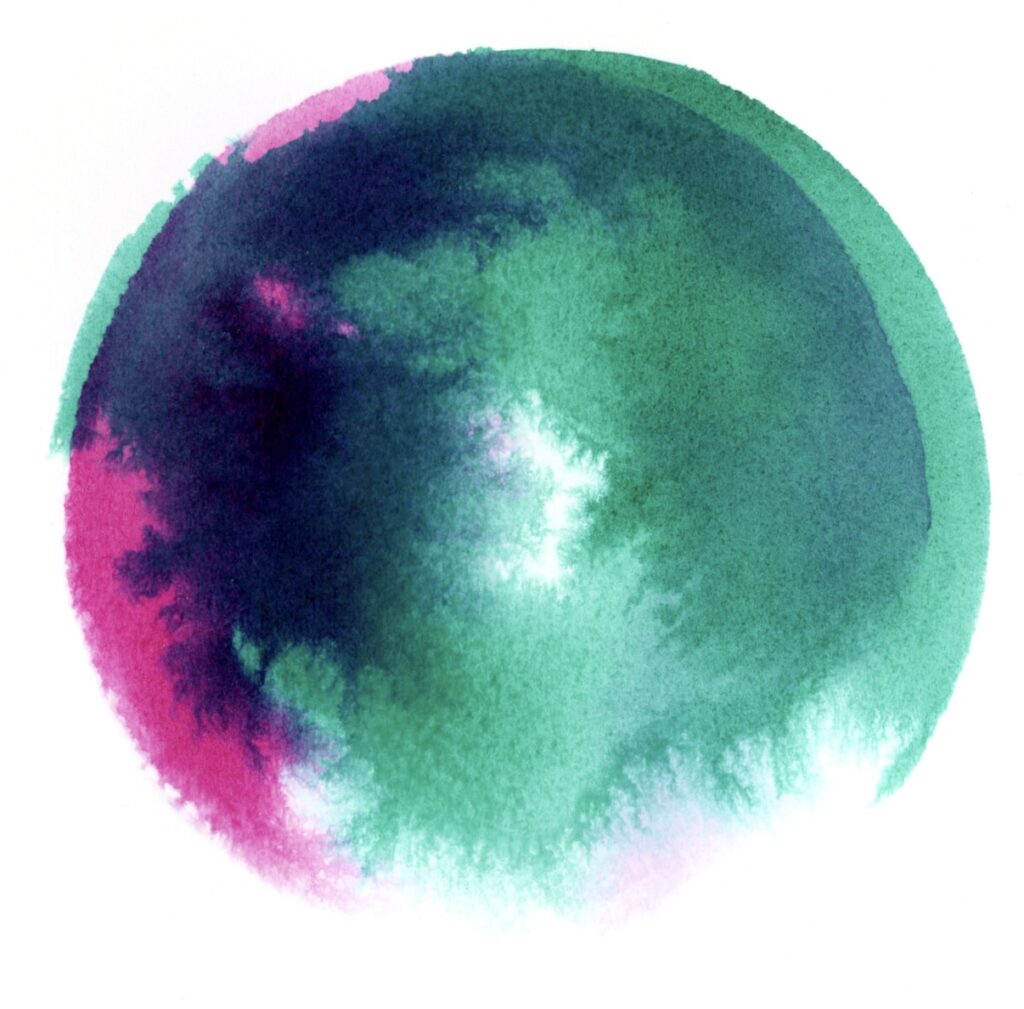
    The spectrum becomes infinitely more complex when different traits overlap and intersect.

    Watercolor washes of blue green and pink bleed into one another creating a deep blue toward the left with feathered edges of pink and green creating an incomplete circle.

    Not only is every neurodivergent human unique, but our spectrums may present differently from day to day and moment to moment, based on a variety of internal and external factors.

    Some spectrums of neurodivergence may not fit the criteria for a diagnosis, but that does not make them any less valid.

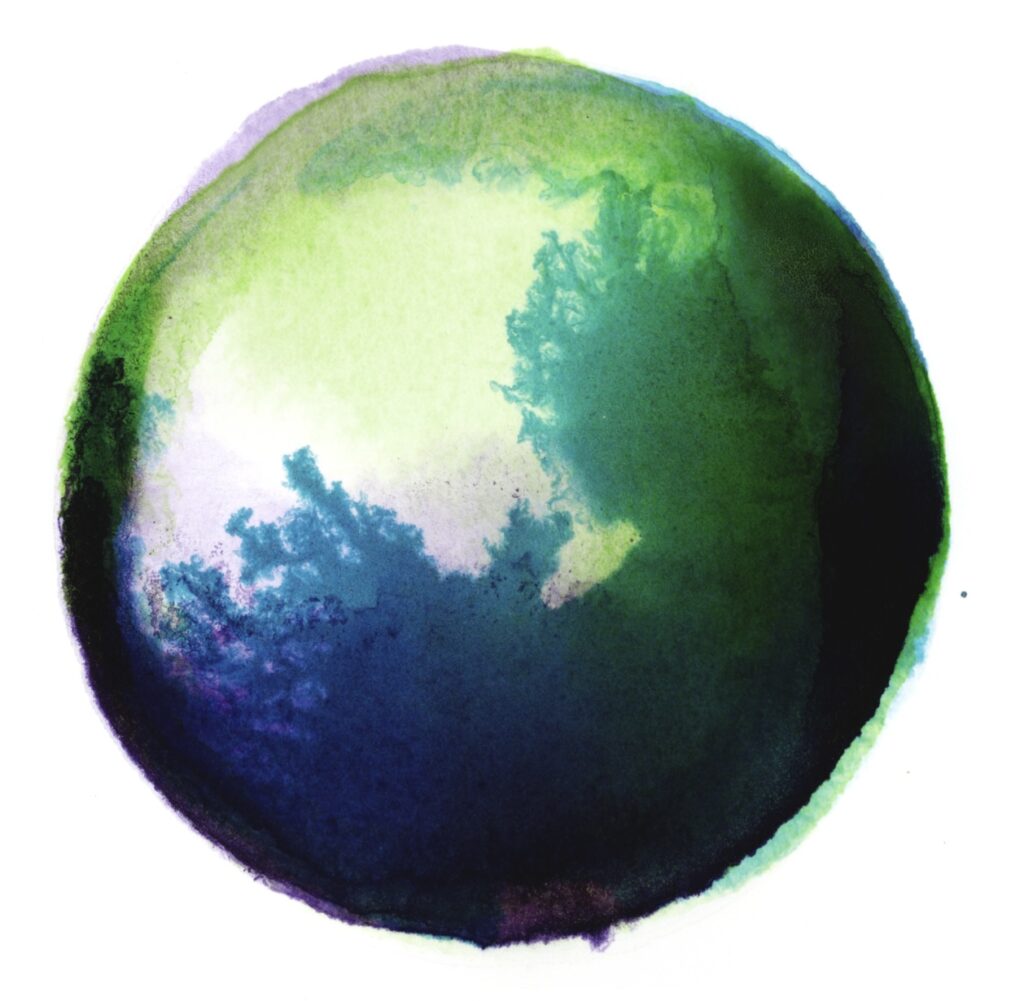
    Watercolor wash circle of blue bleeding into green. The shades infuse into one another and create rivulets that are reminiscent of the planet earth.

    Our world is technicolor.

    Let’s stop imagining it as black and white.

    Grab some art supplies and reflect on neurodiversity as you play with color. If you are neurodivergent what colors would you assign each of your traits? If you’re neurotypical how can you use this framework to support the spectrums in your life?

    Watercolor washes of blue and purple with deep purple toward each edge and feathery blue across the center.

    My zine making area with Spectrum and Chaos Gardening zines, paper cutter, and watercolor wash circles.

    Love snail mail?

    These watercolor washes were originally created for the Spectrum zine for my monthly subscribers. If you’d like a printed copy you can:


    Want to learn more?

    Check out my posts about autism and neurodivergence.

    Keep in Touch

    Subscribe for love letters to creativity and neurodivergence.

    Open airmail envelope with blue and green stripes

    Footnotes

    * I believe this concept was first represented by autistic artist Anouk here (@autistic_sketches on Instagram.)

    † Another visual I love for the spectrum of neurodivergence is this moving spectrum by Felipe Pantone on Instagram.

    Read more: “On the Spectrum”
  • Neurodiversity Affirming Resource Library

    This resource library focuses on autism, ADHD, and hypersensitivity as these are my lived experience.* This area of research has been a passion of mine for nearly a decade. I’ll do my best to organize things so you can find what is helpful to you.


    Not sure what neurodivergence is?

    Start here.


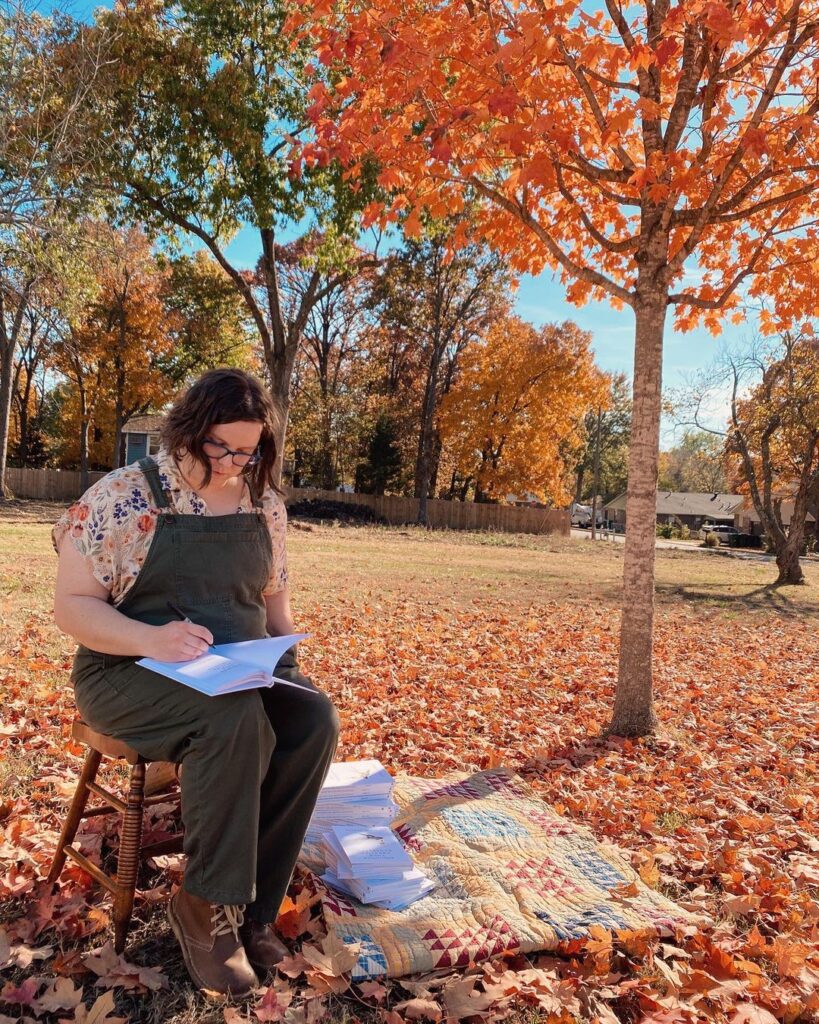
    I am wearing overalls singing books. I'm sitting under a maple tree next to a pile of books on a quilt.

    Hi, I’m Sarah Shotts. A late diagnosed autistic adult, author, artist, home educator, and erstwhile academic. Over the last several years I’ve been doing self directed research and collecting resources to better understand myself and my neurodivergent family. To learn more about me and my work click here.


    Choose your adventure.

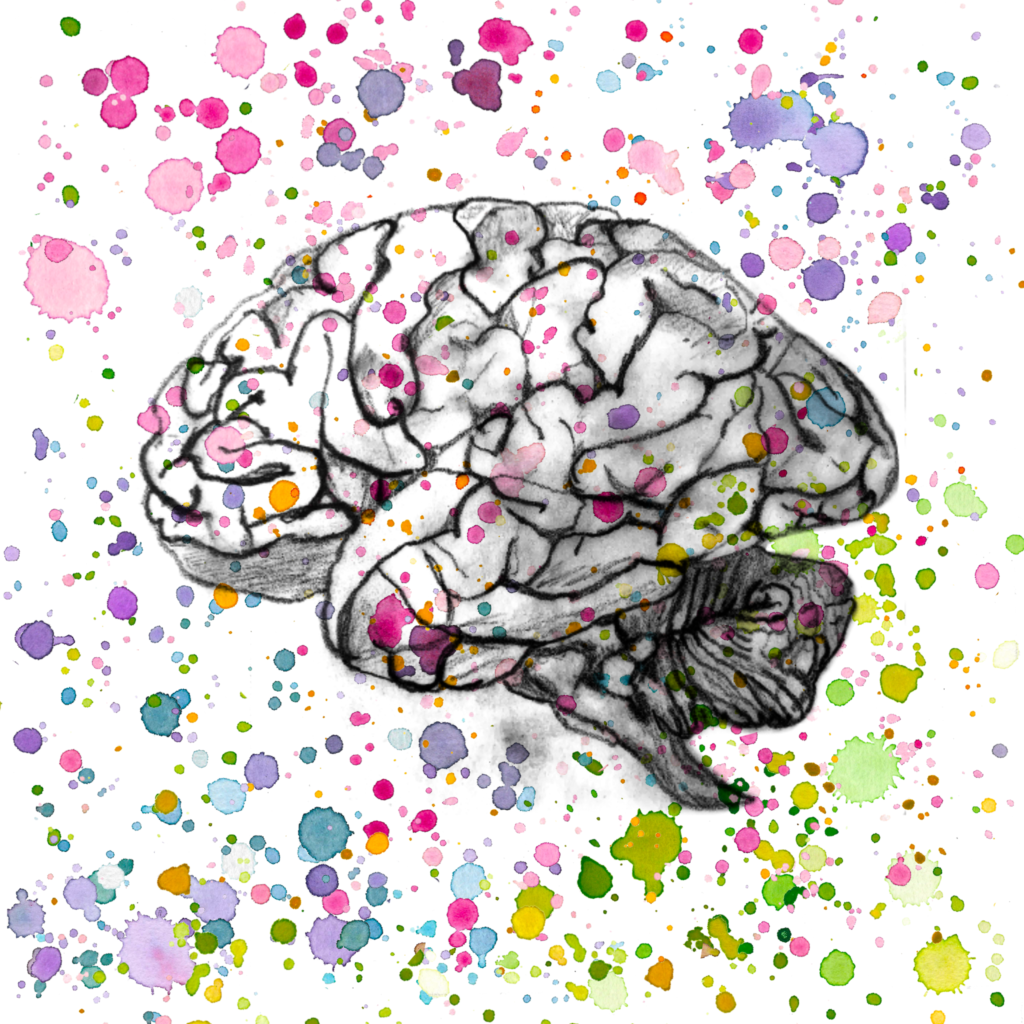
    Drawing of brain with colorful paint splatters over the top
    resources FOR PARENTS
    Watercolor illustration of the autism spectrum. A rainbow of colors blending into one another like a color wheel.
    resources for autistic adults

    What is Overstimulation?

    I made this video to share my experience of overstimulation.

    I also find that my autistic traits are almost always rooted in sensory differences. So this a helpful place to start when discussing autism. Overstimulation can also be experienced by ADHDers.

    (There’s also a shorter 30 second version here.)

    “On the Spectrum”

    When we talk about autism or neurodivergence we often mention a spectrum. Sometimes this is misunderstood as a range of intensity from “more” to “less.” But you cannot be “more” or “less” autistic or neurodivergent.

    I made a zine to illustrate the complexity and nuance of being “on the spectrum.” You can read it here.

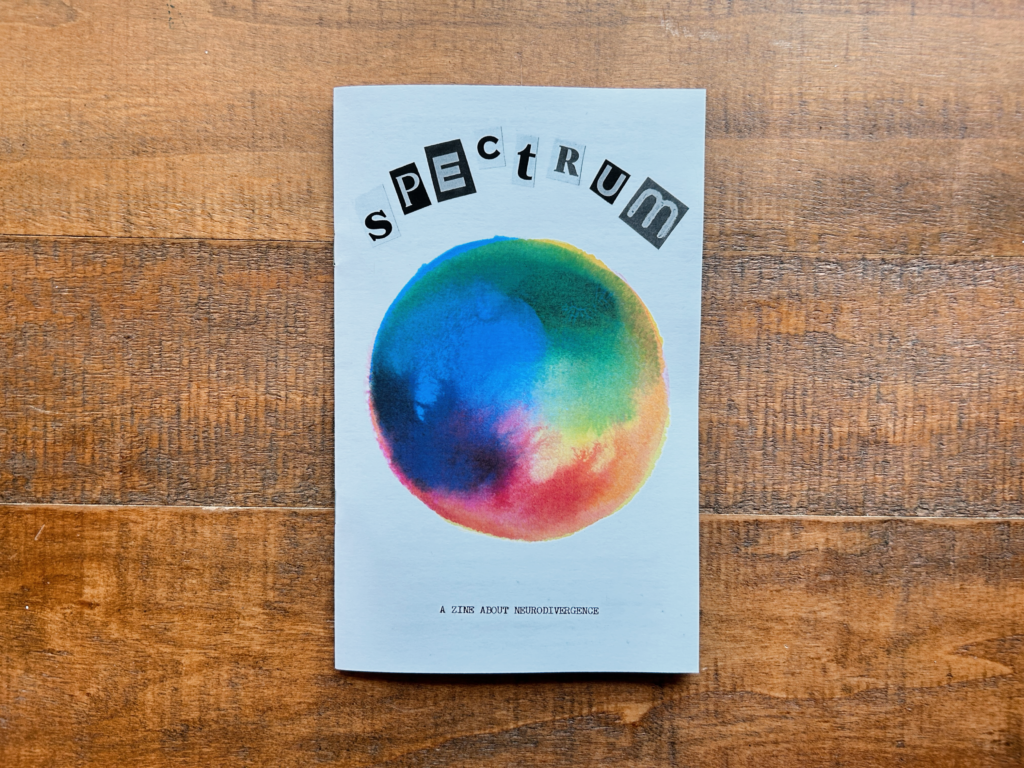
    Spectrum: a zine about neurodivergence. Paper zine with magazine cutout letters and a watercolor spectrum with a rainbow of colors blending into one another.

    How it Feels to Me

    You may also enjoy the picture book I’m co-creating with an autistic illustrator Gracie Klumpp. How it Feels to Me is an introduction to sensory processing for readers of all ages.

    How it Feels to Me: a book about neurodiversity and sensory processing written by Sarah Shotts and illustrated by Gracie Klumpp. Book covers shows a, illustrated child with hands raised and a rainbow collage of objects shown above.

    FOOTNOTES

    * I have been professionally diagnosed with autism, but also have traits of ADHD such as time blindness and difficulties with object constancy. Having knowledge of these traits and functional coping strategies I have no interest in pursuing an ADHD diagnosis at this time.

    Read more: Neurodiversity Affirming Resource Library
  • Chaos Gardening & Neurodivergence

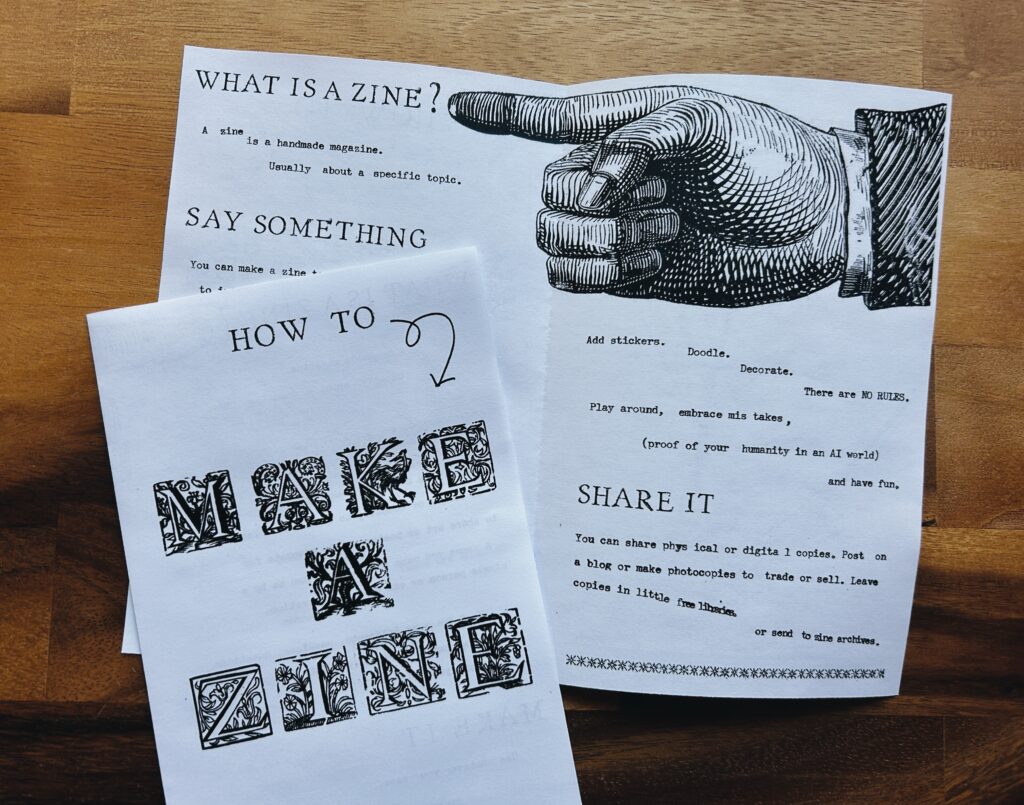
    This month’s zine is Chaos Gardening: tips from a chronically ill & neurodivergent gardener.

    You can buy a copy or subscribe for monthly zines.*

    If you want a peek at my own chaos garden I’ve posted several photos and videos on my microblog.†

    Here is the wild bunny that’s taken up residence under my art studio (which I named The Rabbit Hole before this beauty moved in.)


    How it Feels to Me

    Here’s an update, on How it Feels to Me, the picture book about neurodiversity I’m co-creating with illustrator Gracie Klumpp.

    We’ve reached the proofing stage! I couldn’t be more excited to share a peek our progress.

    Click here to see more!

    Cover design test for How it Feels to Me - a cream cover with swatches of colors: blues, greens, oranges, the title and a dark skinned human standing at the center surrounded by a halo of objects: tokens, leaves, a traffic cone, seashell, and more color swatches. Written by Sarah Shotts. Illustrated by Gracie Klumpp. Proof #1.

    Unfortunately, this book is needed more than ever.

    Harmful information is being spread by the US government categorizing autism and ADHD as epidemics. Neurodiversity is not a broken brain! It is a brain that experiences the world differently and this picture book shows how.

    If you’d like to support the project you can preorder or donate a copy to a school, library, or a neurodivergent family in financial hardship.**


    What is autism?

    If you missed my last email I wrote a post called What is Autism? that breaks down sensory processing and autistic differences.

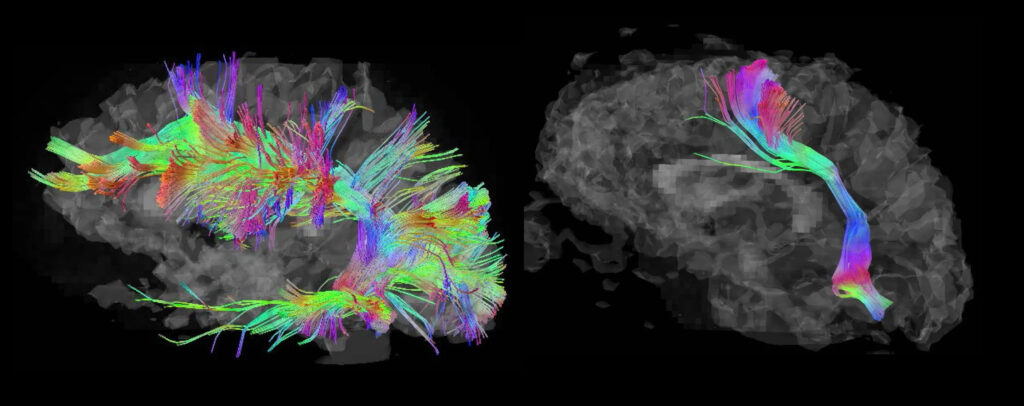
    Two brain scans. The one on the left is a rainbow web reaching into all areas of the brain. The image on the right is a rainbow ribbon traveling along the language center of the brain.
    The brain on the left is autistic.
    we process a lot more information in any given moment.

    I end the post with this footnote,

    “Being neurotypical just means that your brain is processing the world like most others. This means the dominant culture has been made to support the way your brain processes the world around you. You are surrounded by supports for your neurotype every single day.

    This is a concept I’d like to explore further. It really turns the idea of supports on it’s head.

    Click here to read the whole post.


    Novel Writing

    I finally finished the mood board for my fantasy novel.

    I’ve hung this right in my living room so it can stay in my consciousness.

    You can see the timelapse where I make it here.

    I’ve come to the conclusion I need to free up some mental capacity to really delve into this world in the way that’s needed. Turns out proofing three separate books for self publishing is kind of a lot. I’m being patient with myself. There’s no rush on this.

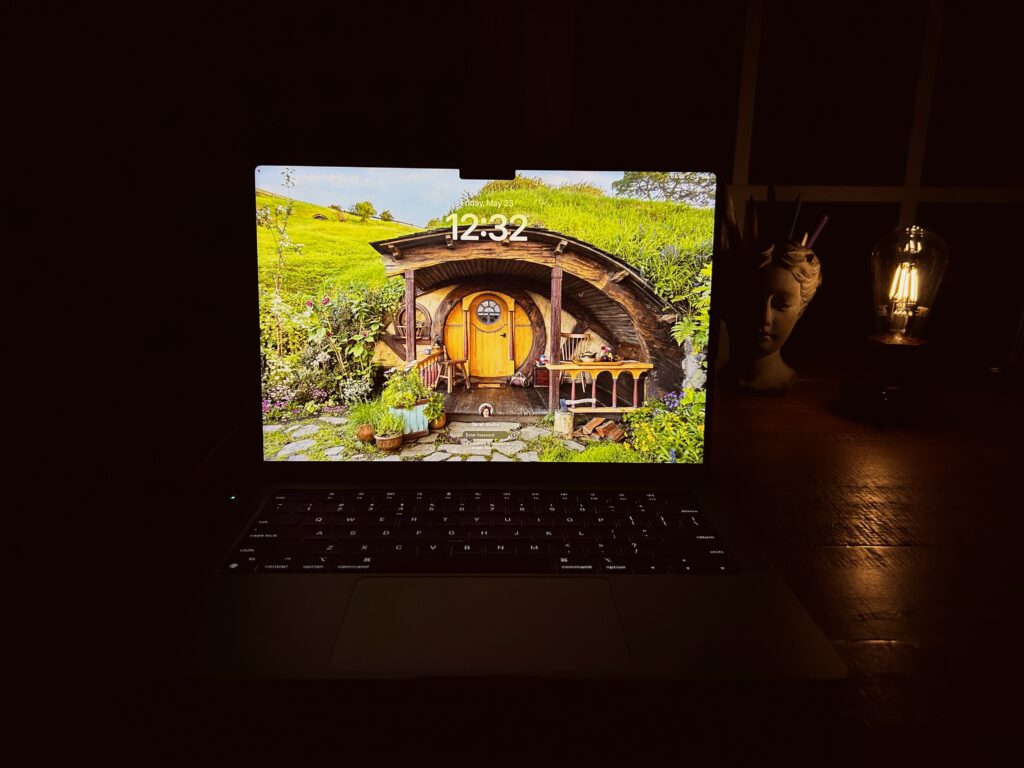
    Here’s a peek at my writing workspace.

    Laptop with yellow hobbit hole wallpaper. An edison bulb lamp sheds a dim golden glow on a goddess vase filled with pens. The workspace is otherwise shrouded in darkness.

    I set this up in the living room when it was too cold to be in the studio (and soon it will be too hot.) It turns out that extreme heat and cold trigger migraines so I’m afraid I am a fair weather studio artist. Accepting that my body needs what it needs means making spaces that work for me.


    I love seeing my zines land in your life.

    Here are a few photos you’ve sent me recently.

    Oh, did I mention I’ve started printmaking again?

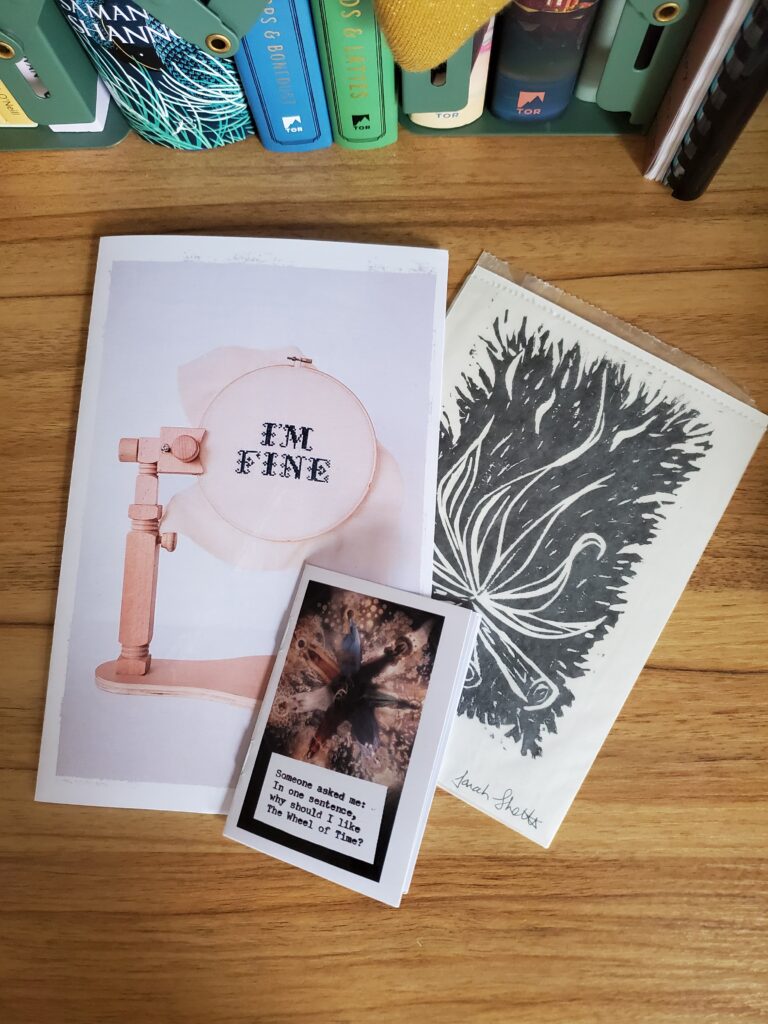
    My I'm Fine zine, Wheel of Time mini zine and a campfire linocut print lay on a table by a row of blue and green books.
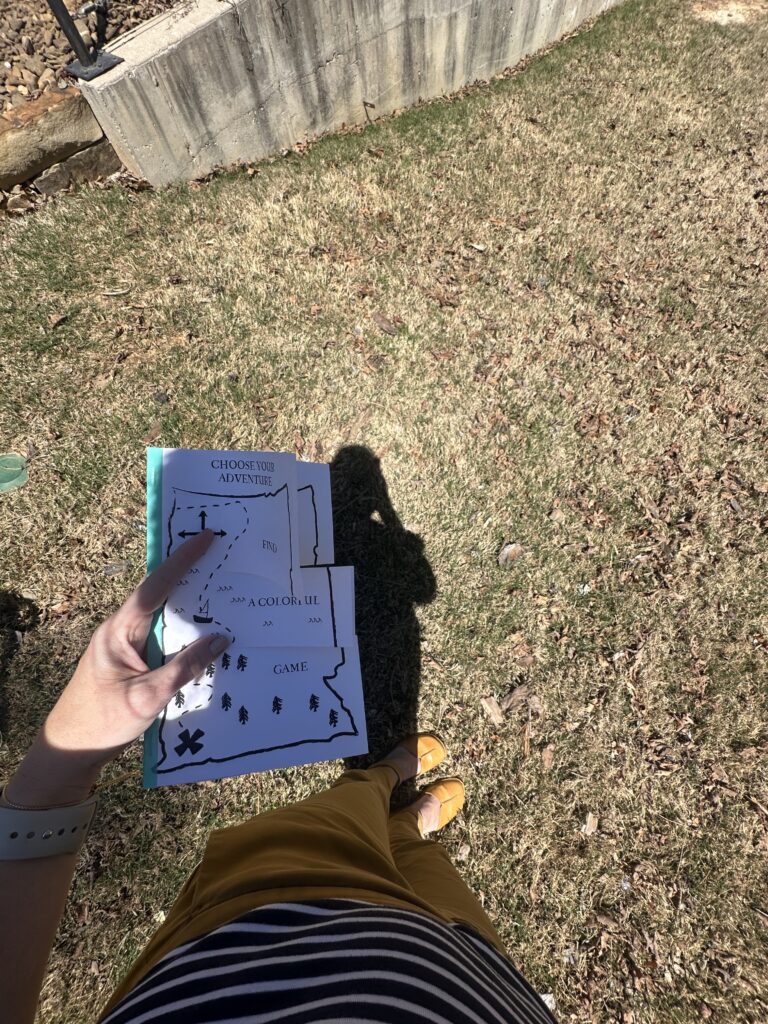
    A hand holding my Choose Your Adventure zine while wearing colorful yellow pants, striped shirt, and yellow shoes.

    Shoutout to A. Wilder and Paige Meredith Ray. You should visit their blogs.


    Ways to Support drawing of a white rabbit hopping into flowers

    The Compost Heap is handmade without the use of AI. 🐝

    Support doing things the old fashioned way by joining my Patrons ($5) and I’ll send paper zines each month with the coolest postage stamps I can find.


    Drawing of a tin can telephone and the words Let's chat

    If you’re reading this in your email inbox you can just hit reply to message me directly. I’d love to hear what you think. It makes it worth the time I put in.

    Thanks for being here.

    I appreciate you.

    Sarah signed with a swoopy S

    FOOTNOTES

    * I’m no longer digitizing zines. Due to chronic migraines I’m attempting to cut down on screentime. I wrote a bit about that here.

    † What is a microblog? Basically a social media style blog feed that I archive on my own site. I’m working on setting this up to autopost to Bluesky. I call my microblog scraps – evoking both a scrapbook or commonplace book and also the bits of kitchen scrap that end up in the compost heap.

    ** If you donate a book we are happy to find the book a home or to send it to the school or library of your choice.

    Read more: Chaos Gardening & Neurodivergence
  • Survivor CBS screencap. Eva confides to Joe, "There are times when I get super overstimulated, I call them episodes. I'll be stuck in a loop in my head and the thing that I need to do it to get grounded. What I need from you is getting squeezed. Take my hands and squeeze as much as possible."
The second image shows Joe and Eva forehead to forehead squeezing her hands to coregulate.

    This season of Survivor was close to my heart.

    Read more: untitled post 156078837
  • Our first picture book proof!

    Here’s an update, on How it Feels to Me, the picture book about neurodiversity I’m co-creating with illustrator Gracie Klumpp.

    We’ve reached the proofing stage!

    I couldn’t be more excited to share a peek our progress!

    Before finalizing color palettes and fonts we decided to order an early proof to see how everything looks on paper. Something I’ve learned about self publishing is that early proofs can really help save time by identifying problems early on before they multiply.

    Gracie put together a few spreads to test colors, fonts, and print quality. (Pinch & zoom to really get a good look on mobile.)

    A rose colored background with various figures hand illustrated under a tree and notes about the different brushes and styles. The character is wearing a sweater vest and plaid pants and is illusrated with a variety of different hair textures and face shapes. One is hanging upside down from a tree branch.

    Lucky we did because we’ve completely changed our printer! (But more about that later.)

    Here’s a really fun spread we’re experimenting with.

    This is a visualization of sensory modulation that invites the reader to turn the book upside down to see how the levels change.

    Volume level and dials across the page. Sounds in the red include siren and wind. Handwritten text reads: Try turning the book upside down! (Then, upside down.) Need to perfect this but, see how the levels are better now? That's sensory modulation. A note compares hard contrast buttons and lower light effect.

    The next spread continues on from the first page, “All brains are different.”

    “Just like all bodies are different.

    We can see some differences, like if someone is tall or has curly hair, but we can’t see people’s brains.”

    A cream page with a layer of grid paper cutout to depict a city skyline. Characters are illustrated in different body types, races, and ages. Some are quick sketches and those toward the front are more complete. To the right is a dark skinned character with curly hair and a blue halo of photographed objects surrounding them. The objects include: blue objects including seaweed, shells, and a ticket stub.

    Here’s one more peek at some of the character work Gracie has been doing. I love seeing the concepts I’ve written about come to life!

    Cream page with pencil style illustrations of a character in a plaid sweatervest. They have curly hair and mid tone skin. One vignette shows them looking through a kaleidescope. Another holding a teacup and tasting the tea with head turned and lips pursed. Another squatting down and smelling a flower. One holding a bunny on their shoulder. One holding a soda and listening to the bubbles with little popping stars around their head.

    These aren’t even finalized illustrations, but I’m already in love.

    Two days before my birthday I opened a box to find this beauty inside…

    My pale hand holding a copy of How it Feels to Me. A dark skinned human standing at the center is surrounded by a halo of objects: tokens, leaves, a traffic cone, seashell, and more color swatches. Written by Sarah Shotts. Illustrated by Gracie Klumpp.

    Holding the proof in my hands was absolutely magical. It’s real. We are making this book.

    And (unfortunately) it’s more needed than ever.*

    Imagine my surprise when I opened the cover found someone else’s book inside.

    The first 2/3 of the proof were pages from a completely different picture book. 🤯

    I immediately texted Gracie to check the second proof. It had a completely different (but equally egregious) error. That edition had a huge white bar down the center.

    The way this printer works these books were considered “final” and not “proofs.” †

    Needless to say we are investigating different printers.

    We’re currently exploring 48 Hour Books.

    There are some pros and cons.

    The quality will be excellent. We’re very happy with the sample book they provided.

    But, the books are going to cost more than we budgeted. We haven’t finalized how much this will be yet. 48 Hour Books just invested in new printers and updated prices aren’t out yet. But the difference is considerable.

    We’ll also be required to purchase a full print run (with a minimum of 100 books) rather than print on demand. This is the only way for the price of each book to come even close to our original budget.

    There’s also the small matter that each proof will now be $40 instead of the budgeted $20. But this price difference ensures books (and proofs) are made with care.

    I’m prepared (and able) to cover the difference in cost, but if you’d like to pitch in you can send donations via Venmo. I’ll share more concrete information about the pricing differences once we have that.

    Is this the first time you’ve heard about How it Feels to Me?

    Here’s a video from our crowdfunding campaign sharing the inspiration behind the book and our goals for self publishing.

    If you haven’t preordered a copy yet you can preorder here.


    Changing printers will definitely extend our timeline.

    But we’re confident it will be worth the wait.

    While we wait for 48 Hour Books to update their printers Gracie will continue refining the illustrations. Allowing me bandwidth to focus on proofs for Entwined & Ember (this is a big year for me!)

    THANK YOU SO MUCH, each and every one of you, for all the ways you’ve supported this project!

    We appreciate you.

    P.S. If you’d like to support the project and don’t need a copy of the book you can also choose to donate a copy which will go to a school, library, or a neurodivergent family in financial hardship.**


    footnotes

    * The US Government has recently categorized autism and ADHD as “epidemics” and is spreading harmful misinformation. I addressed it briefly in my new post titled, What is Autism?

    † The printer was Ingram Spark, for the curious. We’d already dismissed Amazon for the hardcover edition. (Although we plan to release a paperback through Amazon later on to make the book as easy to find and accessible as possible.)

    ** If you donate a book we are happy to find the book a home or to send it to the school or library of your choice.

    Read more: Our first picture book proof!
  • What is autism? (Part One)

    The most important thing to understand about autism (and more broadly neurodivergence) is that every person is unique.

    You may have heard “autism is a spectrum.” This is because there isn’t one way to be autistic. There is a spectrum of experience.

    But, this isn’t a rainbow from “less autistic” to “more autistic”.

    Autism Spectrum
The Autism Spectrum is NOT linear (rainbow bar chart)
less autistic
very autistic
The Autism Spectrum looks more like (a color wheel):
Social differences interests repetitions sensory sensitivities emotional regulation perception executive functioning other
(Each wedge of the color wheel is filled in to different degrees.)
Terms like "high functioning", "low functioning" and "Asperger" are harmful and outdated.
    via autism_sketches on instagram †

    In my experience it is more like a color wheel that’s constantly in motion.

    via felipe Pantone on INSTAGRAM ‡

    The reason I describe the autism spectrum as in motion or flux is that my experience varies wildly based on external and internal factors (environment, clothing, health, access to supports, hunger, anxiety, etc.) This means my capacity varies from day to day and moment to moment.

    I also find that my autistic traits are almost always rooted in sensory differences. So this a helpful place to start. I made this video to share my experience of overstimulation. (There’s also a shorter 30 second version here.)

    That’s how it feels (for me) to experience sensory overload or overstimulation. The internal sensation can range from something like overwhelm and numbness to physical pain depending on the trigger. Remember this varies from person to person.

    Why do I feel things so intensely?

    Why might an autistic person experience “normal” sensory input as pain or sensory overload? Because our brains process information differently.

    Take a look at this brain scan.

    Two brain scans. The one on the left is a rainbow web reaching into all areas of the brain. The image on the right is a rainbow ribbon traveling along the language center of the brain.
    Image Credit: schneider lab §

    The scan on the left is an autistic brain processing language.

    The scan on the right is someone without autism.

    I love this image because you can see how much more information an autistic person is processing at any given moment. The non autistic brain is using a process called sensory modulation to focus on the speaker’s voice. The autistic brain continues taking in lots of other information simultaneously.

    I believe understanding sensory modulation is essential for properly empathizing with and supporting autistic individuals of all ages.

    That’s why I co-created the book How it Feels to Me a book about neurodiversity and sensory processing.

    How it Feels to Me book cover by Sarah Shotts and Gracie Klumpp. Shows a child with hands raised and a rainbow collage of objects shown above.


    * I have been professionally diagnosed with autism, but also have traits of ADHD such as time blindness and difficulties with object constancy. Having knowledge of these traits and functional coping strategies I have no interest in pursuing an ADHD diagnosis at this time.

    † Illustration by @autistic_sketches on Instagram

    ‡ Artwork via Felipe Pantone on Instagram

    § Brain Scan images via Schneider Lab

    ** Neurotype is a term used to describe your brain’s processing style: autistic, ADHD, OCD, etc. If you are not neurodivergent your neurotype is neurotypical. Being neurotypical just means that your brain is processing the world like most others. This means the dominant culture has been made to support the way your brain processes the world around you. You are surrounded by supports for your neurotype every single day.

    † † Printable Cards from Sensory Diet Workbook by Harkla (Affiliate Link)

    Read more: What is autism? (Part One)
  • I’ve had a tab open for kening zhu’s post about rituals vs. sprints for nearly a month. It reminds me about something Katherine May once said on a podcast* about the cycle of neurodivergent hyperfocus and recovery. Versus a neurotypical ideal of consistency. It’s something I am still figuring out. Having experienced burn out I find I need to be careful of flying too close to the sun. But trying to force a structure that doesn’t align with my capacity is also not right. I’d love to hear other thoughts on this.

    * I can’t seem to find the podcast episode I’m talking about. 🤦

    Read more: untitled post 156078307
  • A Very Merry Unbirthday 🎶

    I’m still celebrating!

    Last week, on my actual birthday, one of my favorite chapters from the Wheel of Time was adapted to screen. So I am having a great month.

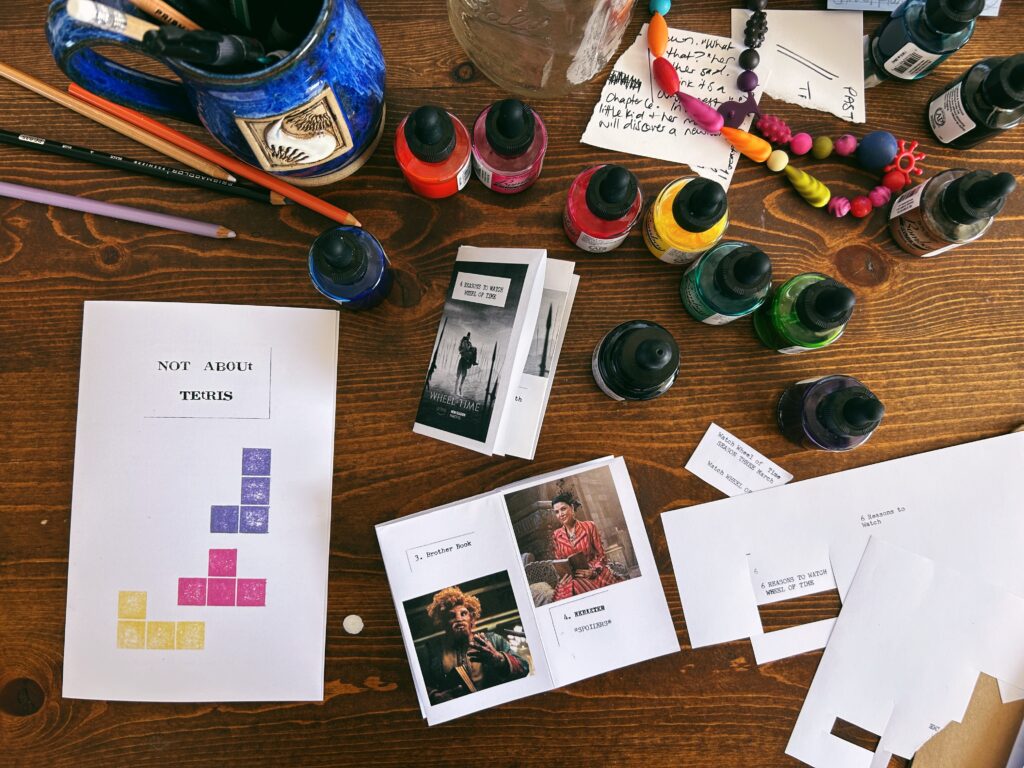
    As my gift to you, anyone who joins the zine subscription this month, will get a bonus Wheel of Time mini zine. 🥰

    If you want to print any of these zines to hype the show you can download them here.

    The “I’m Fine” Zine

    This month I wrote about creating safe spaces and regulating nervous systems in “unprecedented times.”

    You can read the digitized version here.

    An embroidery frame holds a cross stitch that reads "I'm Fine". Back cover shows the reverse of embroidery hoop which is a tangled mess of navy blue thread. Text at bottom says March 2025. A Kindle Curiosity Zine.

    The work on the cover has been exhibited in several different galleries and is part of the My Brain on Motherhood collection as part of my ARIM.


    Sculpture

    I’ve also spent a substantial amount of time this month working on a sculpture called Bloom Where You’re Planted from a dead cherry tree.

    You can read about the process here.

    Here I am cleaning mud off the root.

    My hand using a Swedish washcloth to remove a final layer of mud off a twisty tree root.

    Time Blind Supports

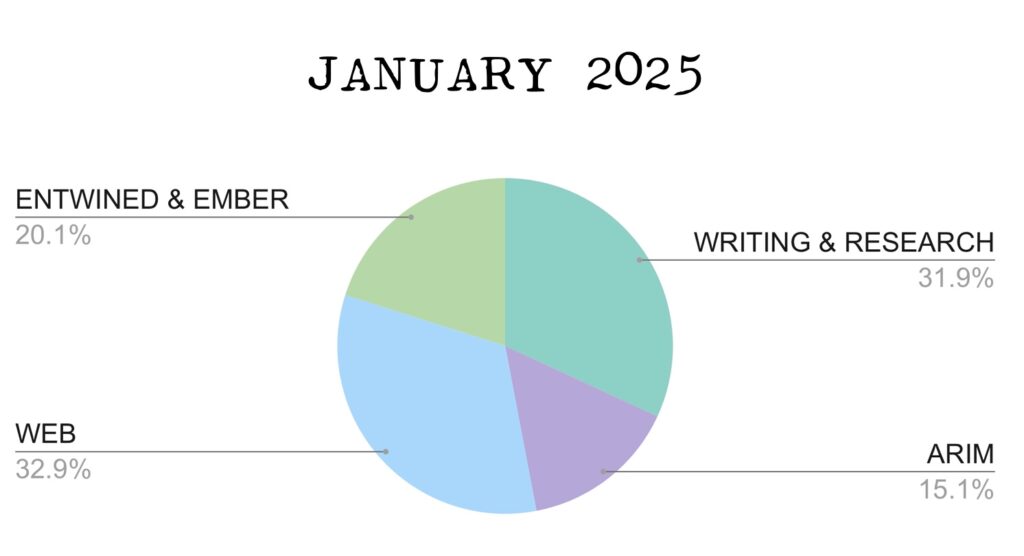
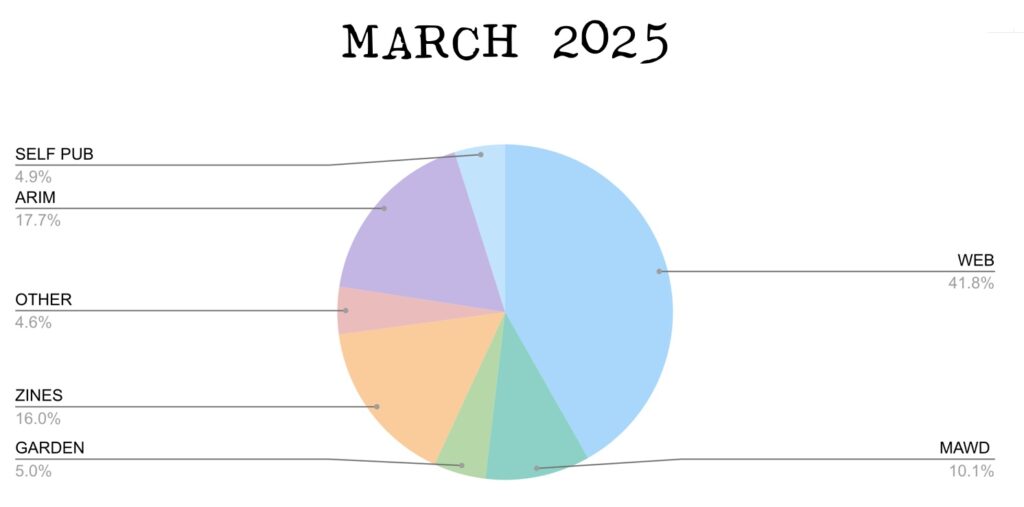
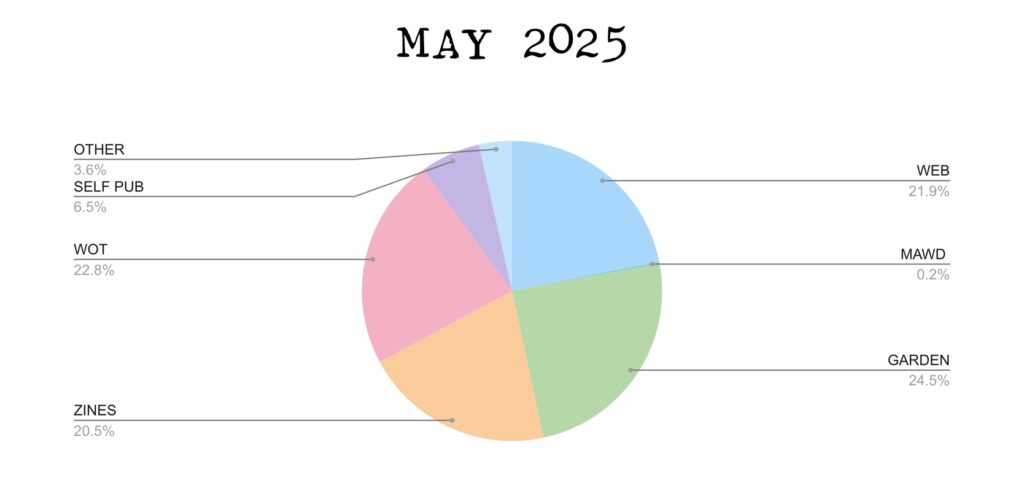
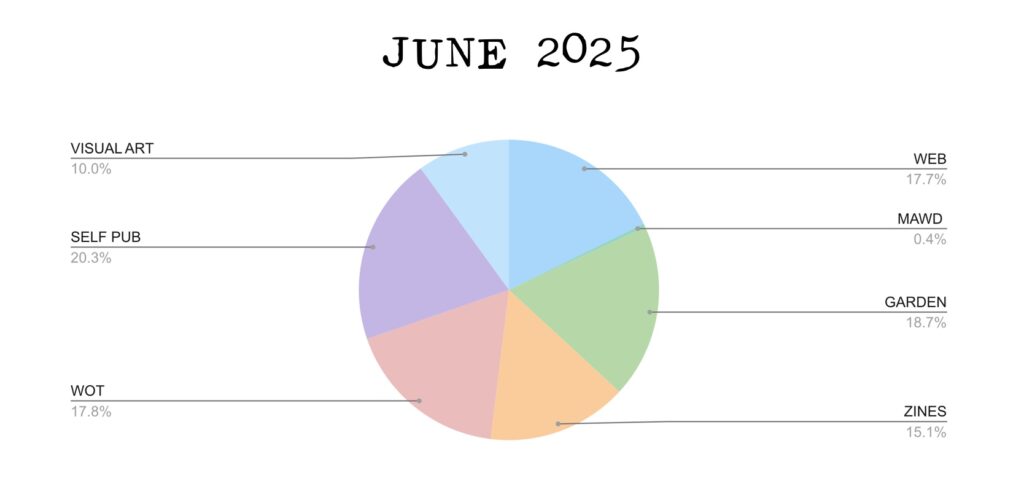
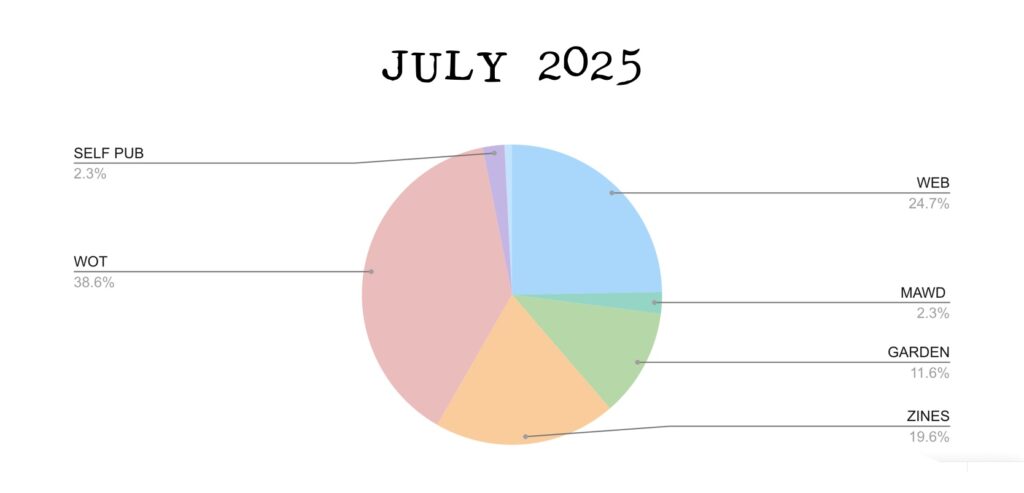
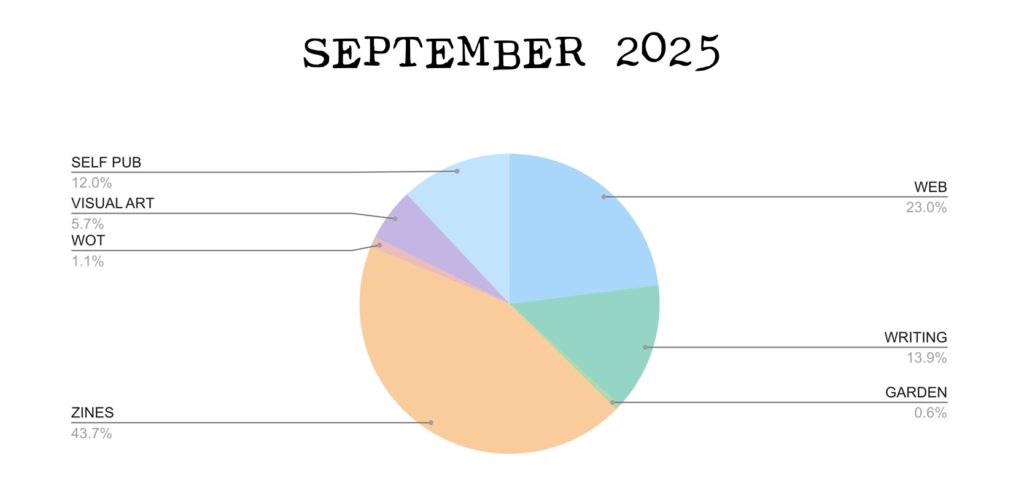
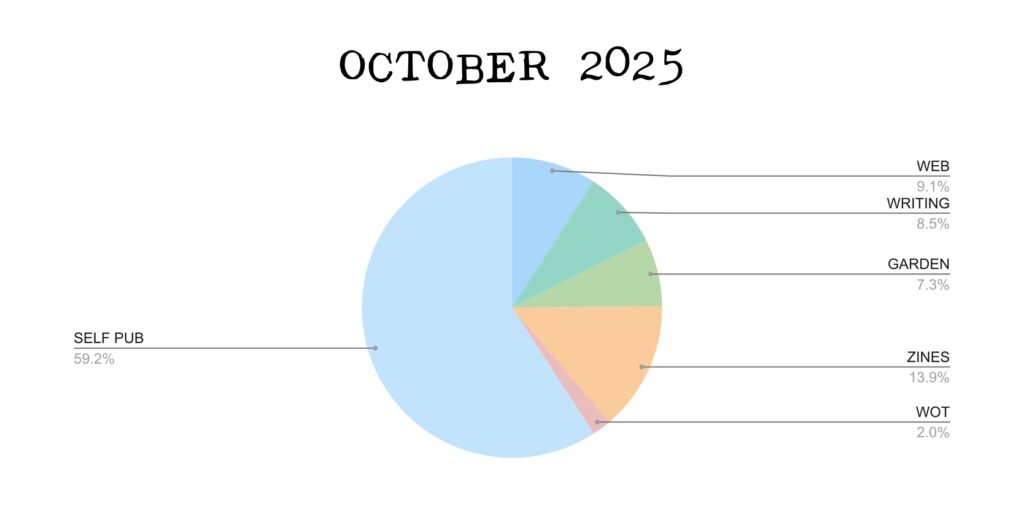
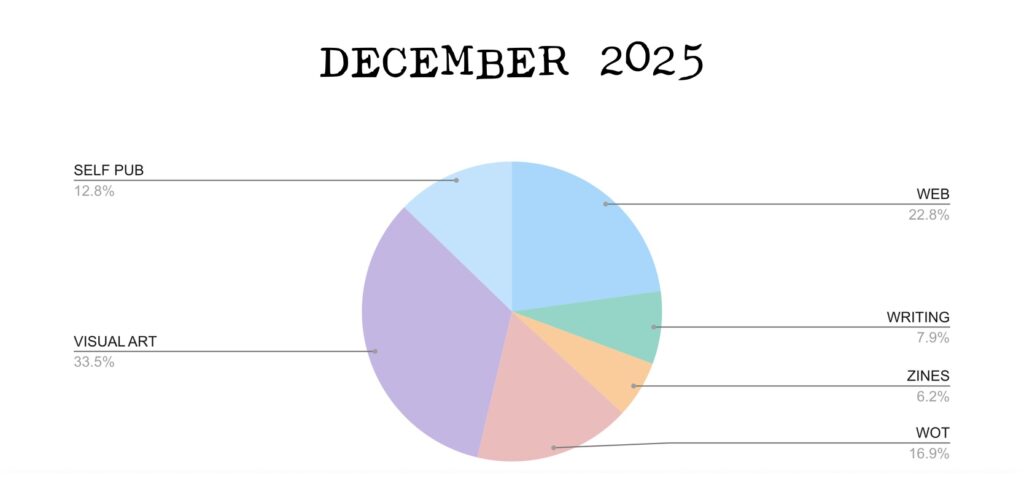
    I’m making a concerted effort to spend more time creating and less time on admin this year. One of the tools I’m using for this is logging my time with spreadsheets and charts.

    As someone with time blindness I can very easily sink time into something without realizing.

    Seeing time visually has made a huge difference for me!

    Pie chart. Web 59%, Zines 21%, Other 10-%, Mawd 4%, Picture book 3%.

    If you’re curious about this process you can click here to read more about what I’m doing and what impact it’s having.

    Bar chart showing admin going down and create time going up from Jan to March
    time spent on admin vs. creating in jan, feb & march (so far)

    The LOST podcast episode.

    Last month, in all my excitement about The Wheel of Time, I completely forgot to tell you I published a ramble podcast. I’ll be doing these on an ad hoc basis moving forward. (If you enjoy listening let me know!)

    I haven’t managed to migrated podcast episodes off Substack yet.

    Listen here for now.

    This is essentially a brain dump I recorded in January reflecting on my creative ecosystem, closing loops, and my intentions for moving into a new year.

    When I migrate off Substack I’m thinking of calling this a “Brain Dump Podcast” to remind myself it’s okay to be messy. Here’s some possible podcast art. Not my normal color palette, but maybe my kid’s love of all things rainbow is rubbing off on me.

    Drawing of brain with colorful paint splatters over the top

    Wait, there’s more!

    Of everything I’m sharing I spent the most time and energy on this.

    If you’ve struggled to learn a second language later in life – it may not be for the reasons you think. I’d love to know what neurodivergent folks think of this post.

    I also wrote some thoughts about From Where You Dream. A book about storytelling from your unconscious.


    Time Travel banner. Hand drawn illustrtation of TARDIS in space surrounded by swirling lines and stars.

    Just two posts in the TARDIS time hop this month.

    If you have time to check out my 360 VR work I’d love to know what you think.


    This Time in 2023

    While I was at it I also created a landing page for free resources and printables.

    https://sarahshotts.com/free

    Ways to Support drawing of a white rabbit hopping into flowers

    The Compost Heap is handmade without the use of AI. 🐝

    Support doing things the old fashioned way by joining my Patrons ($5) and I’ll send paper copies of my zines with the coolest postage stamps I can find.

    Overhead shot of zine test prints and my green typewriter.
    Test PRINTS FOR MARCH’S “I’m Fine” ZINE

    Not into snail mail?

    Here are other ways you can support.

    • Share my blog with a friend. (It’s free!)
    • Buy a book or zine from my (new!) shop.
    • Link to me in your newsletter.
    • Art swap! Let me know if you’d like to swap your art for a zine.
    • Send me an email and let me know what resonates.

    Drawing of a tin can telephone and the words Let's chat

    If you’re reading this in your email inbox you can just hit reply to message me directly. I’d love to hear what you think. It makes it worth the time I put in.

    Thanks for being here.

    I appreciate you.

    Sarah signed with a swoopy S

    P.S. One downside to emailing each month instead of weekly is that there is SO MUCH to cover. I’ve almost given up on sharing links because I have too many to narrow down. But the 15 hours a month I’ve recovered to spend on other projects seems worth the trade off.

    If you want a suggestion… Watch the Wheel of Time. 😉

    A misty location with two figures suspended within three silver rings

    Read more: A Very Merry Unbirthday 🎶
  • Bloom Where You’re Planted

    A year or two before David was born my mom gifted me a weeping cherry tree for my birthday. It bloomed happily for a while and then a freeze split its bark and it became diseased and distressed.

    I did my best to save the tree, but last year it didn’t come back after winter. After a year of mentally preparing myself for this I decided to use the sinuous wood to make a sculpture and Nathan helped dig up as much of the root as possible.

    This month I’ve started stripping the bark.

    My title for this work is Bloom Where You’re Planted. As an autistic person this has always rankled because I am not always able to thrive in unsuitable environments.

    Here are some process photos.

    A time when the tree was happy.

    Photograph of cherry tree blossoms as screencaptured on Instagram stories.

    Before

    Sad tree half dead and half distressed.

    Dead tree in front of my studio.

    Shoutout to Nathan’s farm boy muscle. I never could have dug this up myself because of my connective tissue disorder.

    Progress

    After pruning and removing some branches I found it balanced nicely upside down.

    Dead tree sitting upside down on it's branches with it's root in the air. My gray green studio is seen behind.

    Cleaning

    David helped me clean the mud off the root. This project has been a family affair.

    My child and I are using a bucket of water to clean mud off the tree roots.
    Gloved hand washing mud off tree root with a scrub brush.
    Small blonde child cleaning muddy root with a toothbrush.
    My hand using a Swedish washcloth to remove a final layer of mud off a twisty tree root.

    Stripping Bark

    Closeup of cherry tree bark
    Closeup of cherry tree bark during removable process showing wood and cambium beneath.

    Removing the bark has been a very satisfying (if incredibly slow) process. Because of all the twists and turns in this particular tree I think I’m going to need some finer carving tools soon.

    Update: March 2025

    I am seated outdoors holding a mallet and hammer and chipping away at my sculpture. There is a bright blue sky behind me.
    Weeping cherry tree stands upside down with root in the air. The bark has begun to be stripped away.

    Read more: Bloom Where You’re Planted