
This post can now be found here.
-
Autistic Adults
Read more: Autistic AdultsDo you identify with some autistic traits, and want to learn more?
Here are some resources I’ve gathered specifically for you.
Blog Posts

Please stop calling yourself an hsp 
What is autism? 
What is neurodivergence? 
WHAT IS OVERSTIMLUATION? “On the Spectrum”
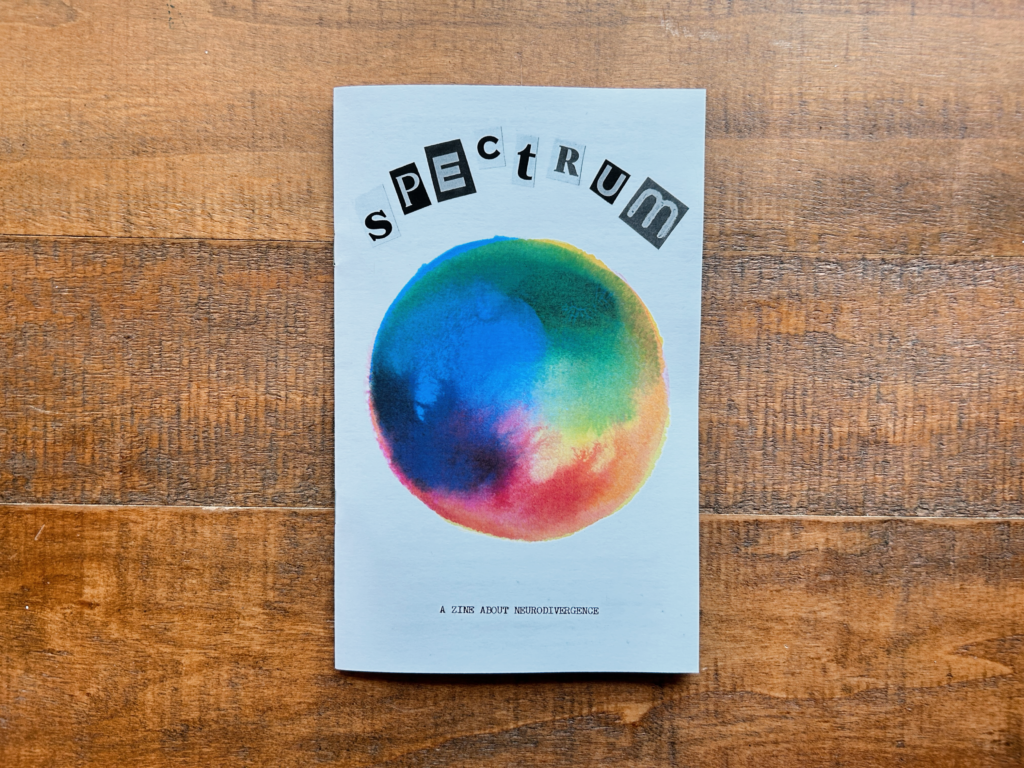
When we talk about autism or neurodivergence we often mention a spectrum. Sometimes this is misunderstood as a range of intensity from “more” to “less.” But you cannot be “more” or “less” autistic or neurodivergent.
I made a zine to illustrate the complexity and nuance of being “on the spectrum.” You can read it here.
Podcasts
Katherine May on Glennon Doyle’s podcast We Can Do Hard Things, Episode 220
This is a great place to start breaking down stereotypes. Please remember when listening that every autistic experience is unique (…we don’t all see rainbows.) 🌈
And a few more podcasts.
- “What if we assumed our needs were reasonable?” Katherine May & Sara Tasker chat about neurodivergence on Hashtag Authentic.
- Hannah Gadsby chats about autism on We Can Do Hard Things.
- Alexandria Zachos explains autistic language development and delayed echolalia on Two Sides of the Spectrum.
- Sara Tasker & Katherine May discuss hyperfocus on How We Live Now.
Blogs & Websites
- From Burnout to Balance by Louise Lucas
- Alice Bramhill AuDHD Therapist
- Purposeful Connection by Hanna Keiner
- Steph Jones Autistic Therapist & Author
- Neurokind (Art & Writing by Neurodivergent Artists)
- Katherine May’s Autism Resource Page
Books & Support Tools
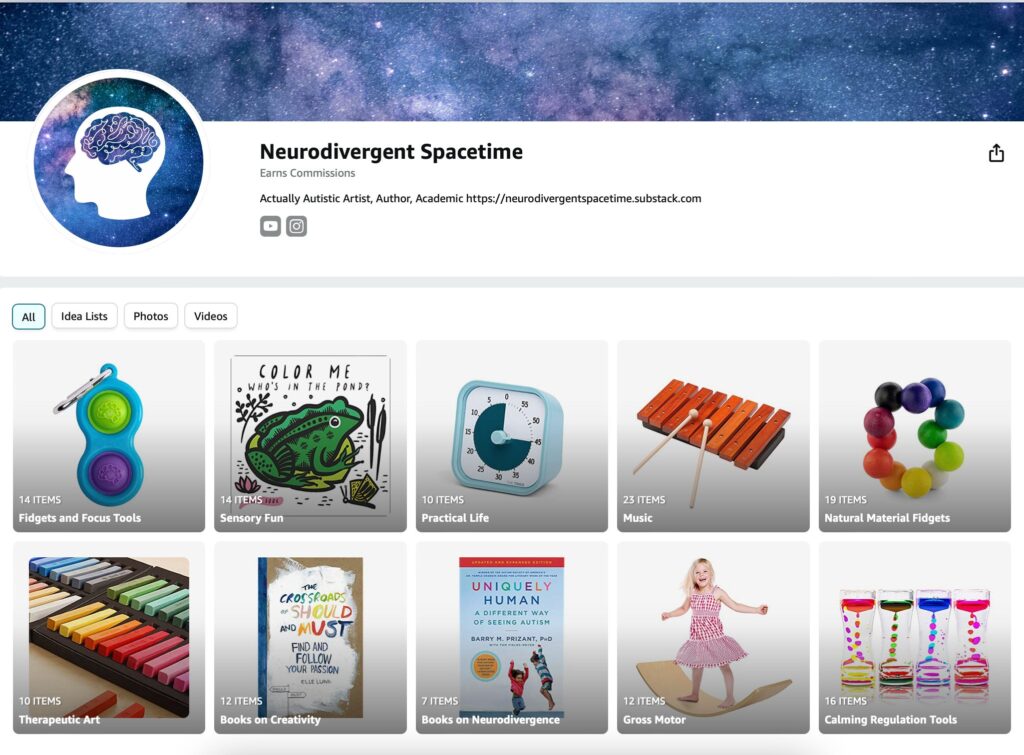
I’ve collected some of our favorite fidgets, regulation tools, art supplies and books here.
How it Feels to Me
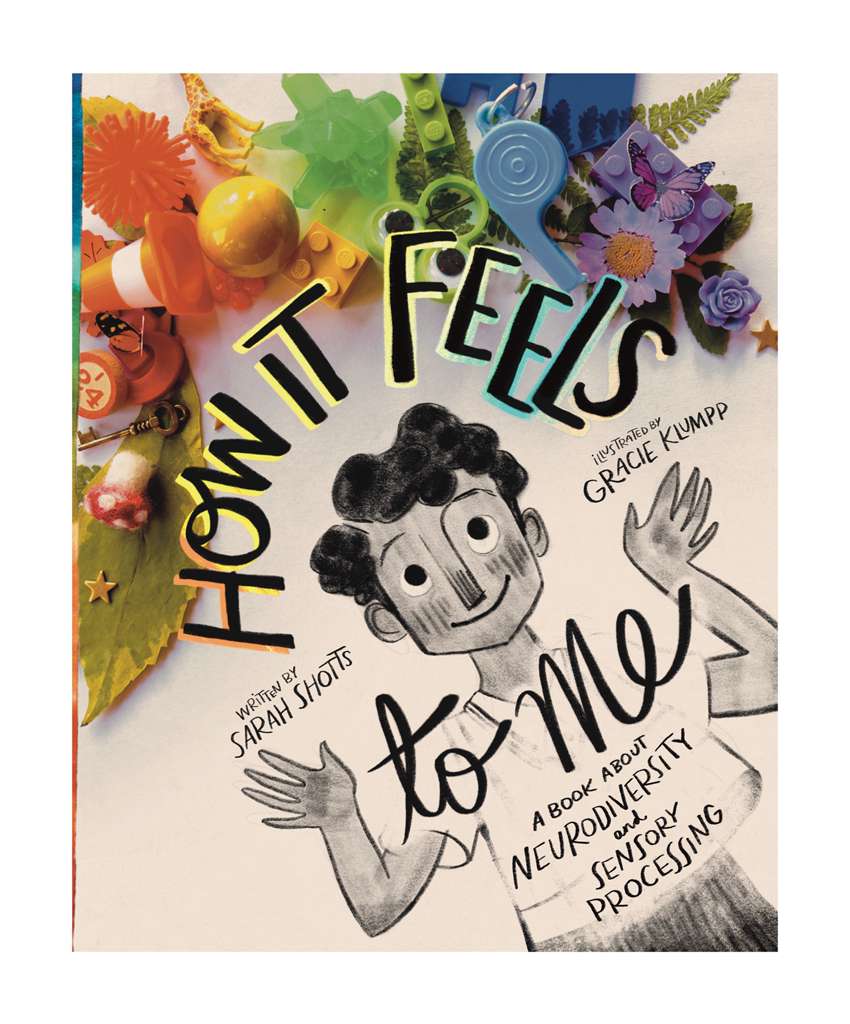
You may also enjoy the picture book I’m co-creating with an autistic illustrator Gracie Klumpp. How it Feels to Me is an introduction to sensory processing for readers of all ages.
Return to the
-
What is Overstimulation?
Read more: What is Overstimulation?I made this video to share my experience of overstimulation.
I also find that my autistic traits are almost always rooted in sensory differences. So this a helpful place to start when discussing autism. Overstimulation can also be experienced by ADHDers.
(There’s also a shorter 30 second version here.)
Return to the
-
How it Feels to Me
Read more: How it Feels to MeHow it Feels to Me is a picture book about neurodiversity for all ages.
This book explores the science behind how we each experience the world. Readers will learn about differences in sensory experiences and better understand themselves and others. This book is written and illustrated by two autistic creators making the book they wish they’d had growing up.

Concept art for how it feels to me Learn more…
This self published book is fully funded and in the proofing stage. If you’d like to know more about the inspiration behind this project you can watch our crowdfunding video here.
Support the project by preordering a limited edition hardcover.
Or choose to donate a copy to a school, library, or a neurodivergent family in financial hardship.
Meet Sarah & Gracie

Sarah Shotts (author) is an autistic interdisciplinary artist and author of Discover Your Creative Ecosystem. Their writing has also been published in Ought: The Journal of Autistic Culture. Sarah earned a Masters degree in Applied Drama from Goldsmiths University of London and a bachelors in Fine and Performing Arts at Mississippi University for Women (MUW.)
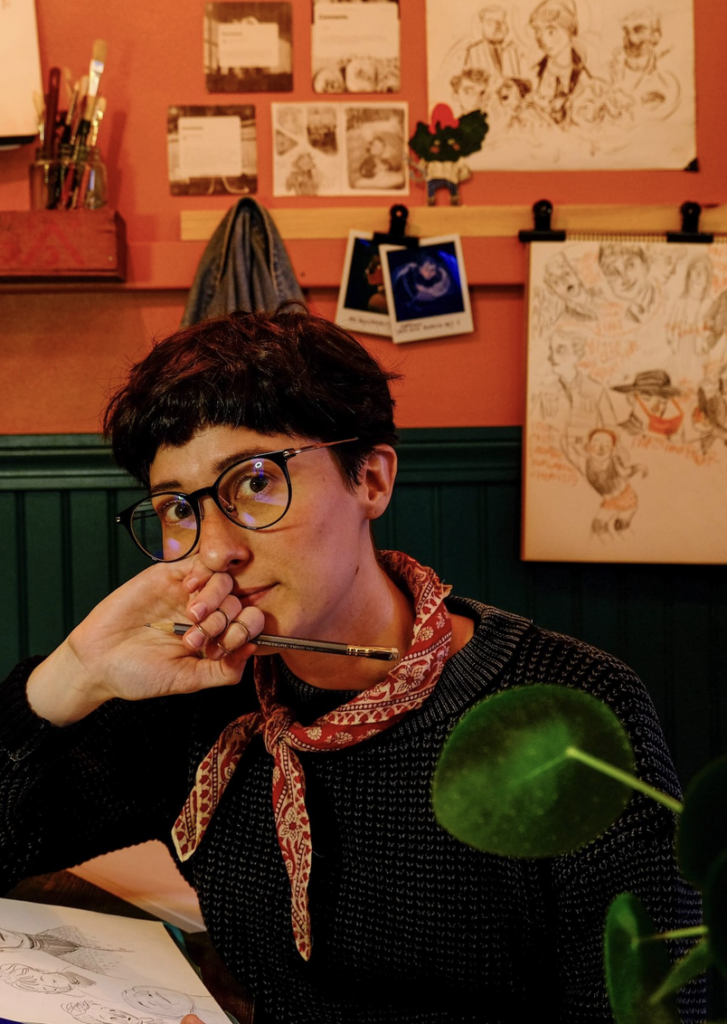
Gracie Klumpp (illustrator) Gracie is an autistic illustrator and writer who lives in an old Airstream, and never runs out of stories. She’s not always the best at talking about them—but that’s why she’s always creating them. Gracie studied Digital Media Arts: Animation at Huntington University, and has used her animation chops to inform her illustration work since graduating. Gracie makes storytelling magic in all sorts of mediums, and doesn’t really mind which she uses so long as it serves the story best.
Related Posts
-
What is neurodivergence?
Read more: What is neurodivergence?The word neurodivergence is made of two parts. Neuro meaning brain. And divergence meaning to differ. Neurodivergence means that your brain processes the world differently.
Every human is unique, but most brains have certain things in common.
Neurodivergent folks experience the world differently. Our brains are processing information in different ways. There are lots of types of neurodivergence including dyslexia, dyscalculia, synesthesia, OCD, dyspraxia, etc. Each with specific ways the brain differs from most people.
Browse all of the posts I’ve written about neurodivergence.